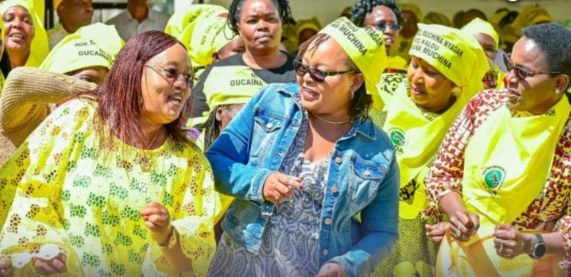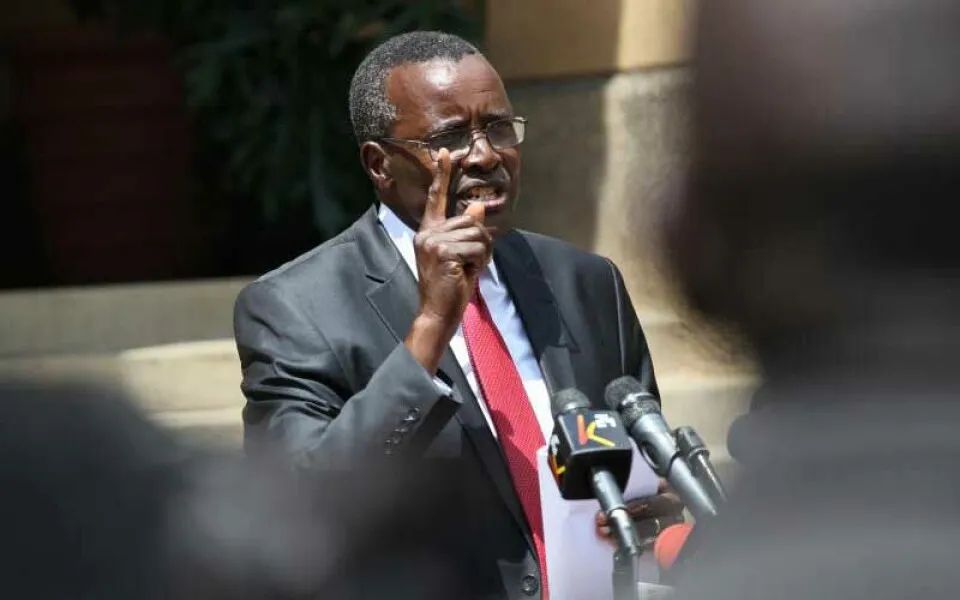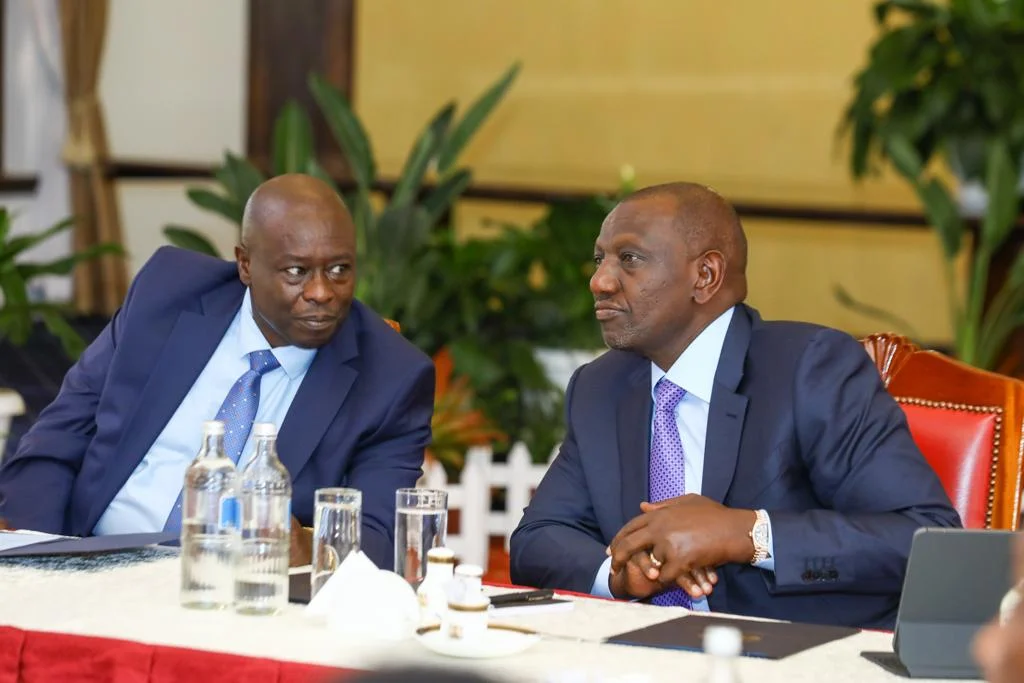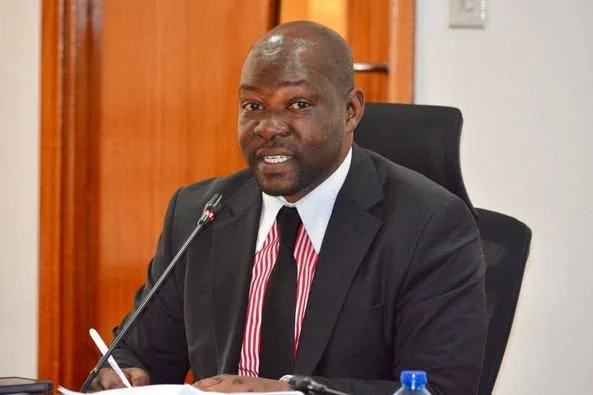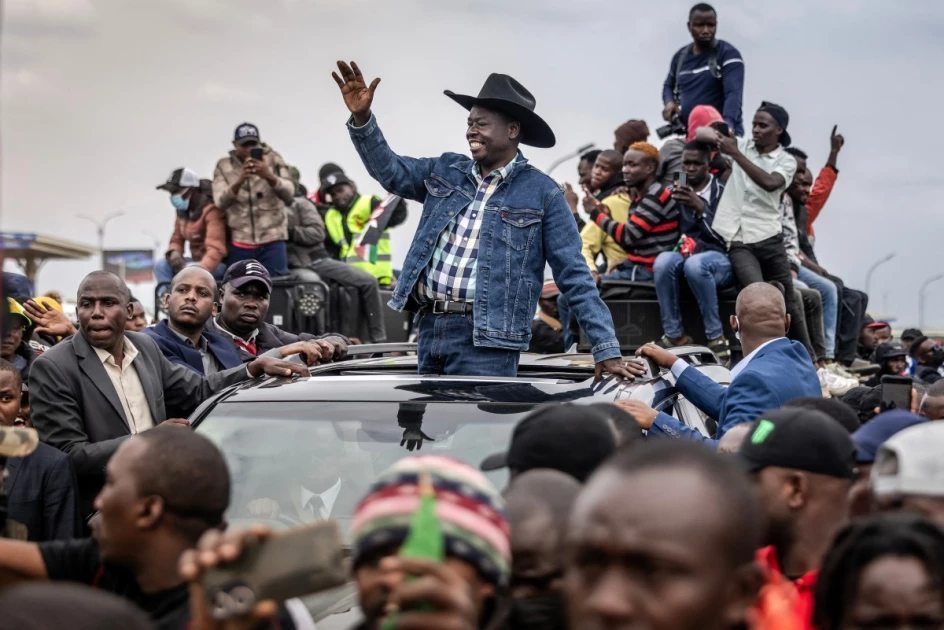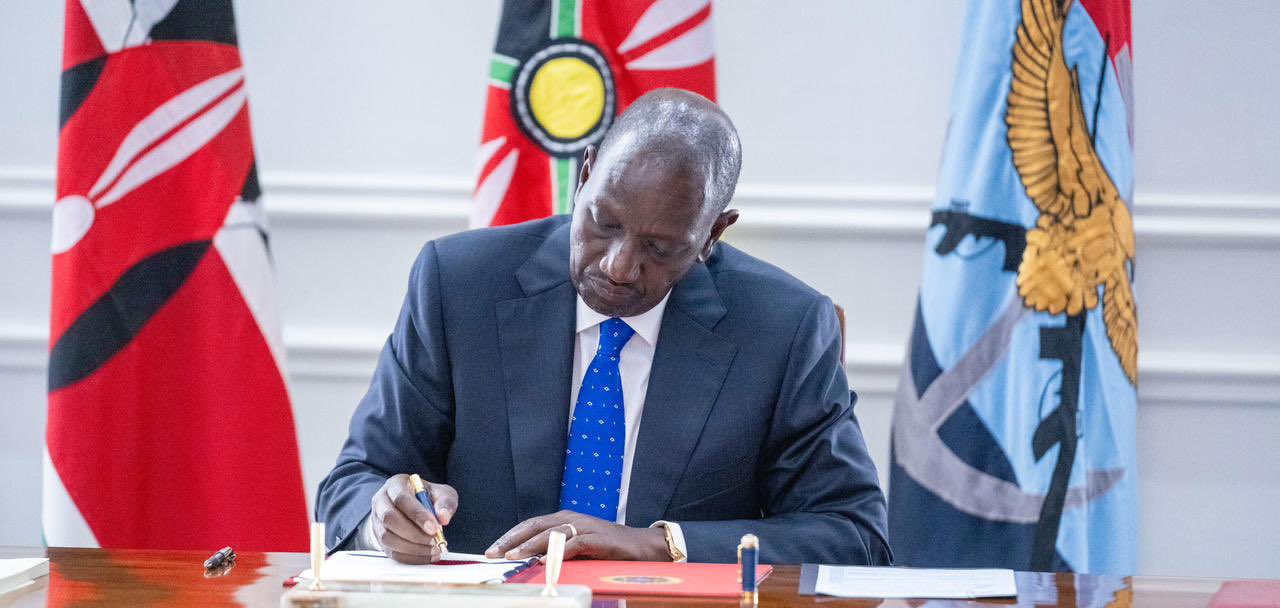
Kenya’s political landscape is once again under intense scrutiny after fresh developments involving the ruling coalition linked to President William Ruto and opposition leaders allied to Raila Odinga sparked debate across the country.
In recent days, members of the two major political formations — the United Democratic Alliance and the Orange Democratic Movement — have been engaged in intense consultations within Parliament, signaling a shifting dynamic that could reshape legislative politics.
Political observers say the discussions reflect a broader effort by lawmakers to manage tensions within the National Assembly while also navigating the realities of governance and opposition politics.
A Strategic Parliamentary Moment
Sources within Parliament indicate that the parliamentary group meeting brought together influential lawmakers who deliberated on key legislative priorities, party discipline, and strategies for upcoming debates in the House.
The meeting comes at a time when political temperatures remain high, with both sides keen to consolidate their positions ahead of major policy decisions expected in Parliament in the coming months.
Analysts say the conversations are not merely procedural but reflect deeper political calculations within Kenya’s evolving power structure.
“Parliament is the centre of political negotiation,” said a Nairobi-based political analyst. “When major parties like UDA and ODM begin holding strategic discussions, it usually signals that significant decisions are coming.”
Coalition Politics and Parliamentary Influence
Kenya’s parliamentary system often relies heavily on party coordination to pass critical legislation. The ability of parties to maintain unity among their Members of Parliament can determine whether key bills succeed or fail.
For the ruling side associated with President Ruto, maintaining cohesion within the parliamentary ranks remains crucial for pushing forward the government’s legislative agenda.
At the same time, lawmakers aligned with Raila Odinga continue to position themselves as a strong political voice capable of shaping national debate and influencing policy discussions.
This delicate balance has made Parliament a central arena for negotiation, debate, and strategic maneuvering.
Rising Political Speculation
The renewed interactions between members of the two political camps have also sparked speculation about possible cooperation on specific legislative issues.
Some observers believe that while the two parties remain political rivals, moments of parliamentary coordination are sometimes necessary to address national concerns.
Others, however, argue that such engagements may be tactical moves aimed at strengthening political influence rather than signaling any broader political alliance.
“The reality of politics is that parties can compete politically while still cooperating on legislative matters,” said another analyst.
The Public’s Interest in Parliamentary Politics
For many Kenyans, the developments within Parliament are closely tied to the broader issues affecting daily life, including economic policy, development priorities, and governance.
Decisions taken by lawmakers often influence taxation policies, national development projects, and regulatory reforms that affect businesses and households across the country.
As a result, political developments involving major parties like UDA and ODM continue to attract significant public attention.
With several major legislative debates expected in the coming months, political watchers believe the relationship between the two parties will remain an important factor in determining how Parliament functions.
Whether the discussions signal deeper cooperation or simply reflect routine parliamentary strategy remains to be seen.
What is clear, however, is that Kenya’s political landscape continues to evolve, with Parliament serving as the central stage where alliances are tested, strategies are refined, and the country’s political future gradually takes shape.
For now, all eyes remain on the lawmakers as the next phase of parliamentary debate approa