When the British began building the Kenya-Uganda railway at the end of the 19th century, they brought in thousands of Indian labourers. Many stayed, laying the foundation of what would become one of the most enduring and dynamic economic relationships on the African continent.
Today, the narrative has shifted dramatically. Indian business people are no longer just participating in Kenya’s economy; they are actively leveraging it to generate immense wealth, expand their global footprints, and tap into the broader African market. Kenya, often dubbed the "Silicon Savannah" and the economic heartbeat of East Africa, has evolved into a strategic goldmine for Indian entrepreneurs and corporations.
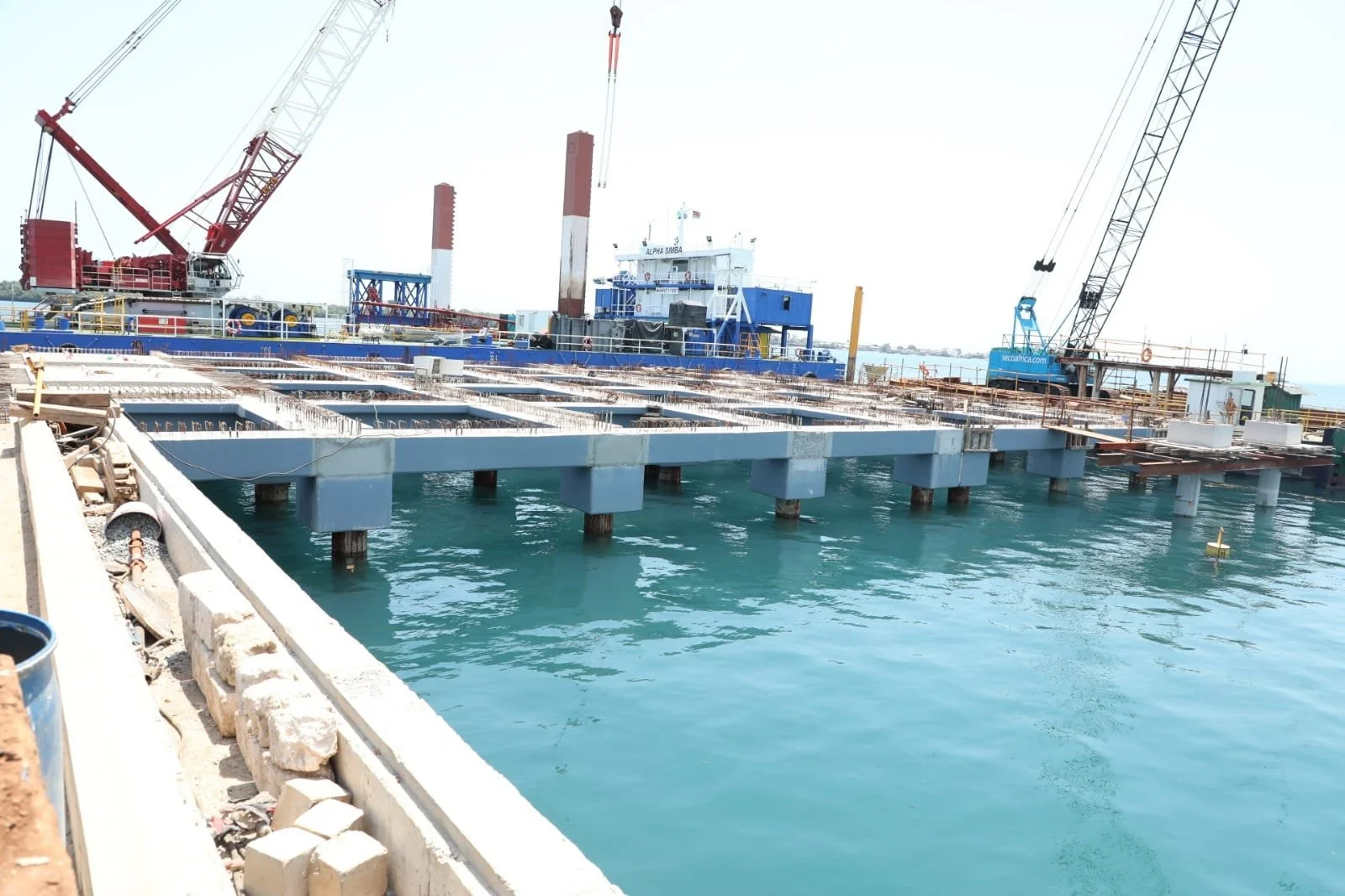
The most visible evidence of Indian success in Kenya is found in the industrial zones along the Mombasa corridor. The Kenyan government has identified Special Economic Zones (SEZs) like Dongo Kundu and Vipingo as the future of industrialisation , and Indian firms are leading the charge.
Revital Healthcare is a prime example of a "win-win" partnership. Operating out of Kilifi, this Indian-origin company manufactures critical medical devices, from syringes to masks. While the machinery and raw materials come from India, the company generates significant local employment and skills development in Kenya. The Indian High Commissioner to Kenya, Dr. Adarsh Swaika, recently described the operation as a model for future collaboration .
Revital Healthcare is a prime example of a "win-win" partnership. Operating out of Kilifi, this Indian-origin company manufactures critical medical devices, from syringes to masks. While the machinery and raw materials come from India, the company generates significant local employment and skills development in Kenya. The Indian High Commissioner to Kenya, Dr. Adarsh Swaika, recently described the operation as a model for future collaboration .
Furthermore, Indian infrastructure giants like ARISE Integrated Industrial Platforms (ARISE IIP) are developing massive industrial parks. The Vipingo SEZ, backed by ARISE, is targeting over $3 billion in investment and the creation of 50,000 direct jobs. For Indian businesses, these zones offer tax incentives, streamlined customs, and access to the wider East African market .
Tech and the "Global South" Alliance
Beyond bricks and mortar, the partnership is moving into the digital and technological realm. Kenya is positioning itself as a tech hub, and it is looking to India’s vast experience in IT and startup incubation to get there.
At the recent India AI Impact Summit 2026 in New Delhi, Kenyan officials made a direct pitch to Indian entrepreneurs. The Kenyan government invited Indian firms to collaborate in semiconductor manufacturing and critical mineral mining (specifically lithium), aiming to move beyond raw material export and into high-value tech production .
Mary Kerema, Kenya’s ICT Secretary, framed the relationship not as a rivalry, but as a partnership of the "Global South." She urged Indian manufacturers to view Kenya not just as a consumer, but as a co-manufacturer: "As you manufacture in India and we manufacture in Kenya, then we bring sufficiency" .
From pharmaceuticals and high-tech manufacturing to hospitality and tourism, Indian enterprises are not just participating in the Kenyan economy—they are actively shaping it. Here is how they are reaping the benefits.
The Numbers Behind the Partnership
The statistical landscape of Indo-Kenyan relations tells a story of heavy reliance and massive opportunity. Currently, more than 200 Indian companies have established operations in Kenya, making India one of Kenya’s top five trading partners .
However, the trade balance leans heavily in India’s favor. Kenya’s exports to India stand at roughly $147.5 million, primarily consisting of tea, coffee, and horticultural products. In contrast, Kenya imports over **$2.03 billion** worth of goods from India, including pharmaceuticals, machinery, and textiles .
For Indian investors, this gap represents a massive export market. For Kenya, it is an incentive to push for a Free Trade Agreement (FTA). Kenyan Prime Cabinet Secretary Musalia Mudavadi recently suggested that an FTA with India is "long overdue," a move that would lower tariffs and likely accelerate Indian investment even further .
Manufacturing and the SEZ Gold Rush
The most visible evidence of Indian success in Kenya is found in the industrial zones along the Mombasa corridor. The Kenyan government has identified Special Economic Zones (SEZs) like Dongo Kundu and Vipingo as the future of industrialization, and Indian firms are leading the charge.
Revital Healthcare- is a prime example of a "win-win" partnership. Operating out of Kilifi, this Indian-origin company manufactures critical medical devices, from syringes to masks. While the machinery and raw materials come from India, the company generates significant local employment and skills development in Kenya. The Indian High Commissioner to Kenya, Dr. Adarsh Swaika, recently described the operation as a model for future collaboration .
Furthermore, Indian infrastructure giants like ARISE Integrated Industrial Platforms (ARISE IIP) are developing massive industrial parks. The Vipingo SEZ, backed by ARISE, is targeting over $3 billion in investment and the creation of 50,000 direct jobs. For Indian businesses, these zones offer tax incentives, streamlined customs, and access to the wider East African market .
Hospitality: Catering to the Indian Traveler
The benefits flow both ways regarding tourism. Kenya is a premier safari destination, and Indian tourists—who increasingly seek exotic travel experiences—are arriving in record numbers. Recognizing this, Kenyan hospitality giants like Sarova Hotels & Resorts are pivoting their strategy to capture this market.
Sarova recently hosted exclusive events in Mumbai to court Indian travel agents. By tailoring luxury safari packages and MICE (Meetings, Incentives, Conferences, and Exhibitions) offerings to Indian preferences, Sarova has seen significant growth. This strategy highlights how Indian consumer spending power is driving revenue for Kenyan businesses, creating a robust ecosystem for Indian travel entrepreneurs and partners .
A Match Made in Economic Policy
The recent flurry of activity is not accidental. In early 2026, the Kenya Investment Authority (KenInvest) signed a strategic partnership with the India Kenya Business Council (IKBC) . The goal is explicit: to grow private sector investment, enhance technology transfer, and narrow the trade deficit.
Kenya is currently targeting $2 billion in investment deals for the first quarter of 2026 alone. With the Indian government actively mobilizing its investors to the Dongo Kundu SEZ and exploring an FTA, the pipeline for Indian businesspeople looks exceptionally promising .
The "Gateway to Africa" Advantage
For Indian businesses, Kenya is rarely just about Kenya. With a highly integrated East African Community (EAC) and the recent implementation of the African Continental Free Trade Area (AfCFTA), Kenya serves as a lucrative springboard.
By setting up manufacturing hubs, logistics centers, and regional headquarters in Nairobi and Mombasa, Indian businesses gain tariff-free or low-tariff access to a market of over 300 million people in East Africa, and potentially 1.4 billion across the continent. Indian conglomerates view Kenya’s world-class port facilities in Mombasa and its relatively advanced air cargo infrastructure as the perfect logistics hub to distribute goods manufactured in India—or locally in Kenya—across the continent.
For Indian businesses, Kenya is rarely just about Kenya. With a highly integrated East African Community (EAC) and the recent implementation of the African Continental Free Trade Area (AfCFTA), Kenya serves as a lucrative springboard.
By setting up manufacturing hubs, logistics centers, and regional headquarters in Nairobi and Mombasa, Indian businesses gain tariff-free or low-tariff access to a market of over 300 million people in East Africa, and potentially 1.4 billion across the continent. Indian conglomerates view Kenya’s world-class port facilities in Mombasa and its relatively advanced air cargo infrastructure as the perfect logistics hub to distribute goods manufactured in India—or locally in Kenya—across the continent.
Dominance in High-ROI Sectors
Indian capital is deeply embedded in the most profitable sectors of the Kenyan economy, yielding returns that far exceed average global benchmarks.
- Telecommunications and Tech: Bharti Airtel’s presence in Kenya is a textbook example. While it faces fierce competition, Airtel’s Kenyan operations provide massive revenue streams and a testing ground for innovations in mobile money and micro-lending that can be exported to other African markets. Furthermore, Indian IT giants like Tata Consultancy Services (TCS) and Infosys are partnering with Kenyan banks and government agencies to digitize operations, securing multi-million-dollar contracts.
- Pharmaceuticals: India is the "pharmacy of the world," and Kenya has a high demand for affordable, quality generic medicine. Indian pharma companies have bypassed the middleman, setting up local manufacturing plants in Kenya. This not only saves on import duties but allows them to capture the rapidly growing healthcare market driven by Kenya’s expanding middle class.
- Manufacturing and FMCG: From steel and plastics to textiles and consumer goods, Indian manufacturers dominate Kenya's industrial zones. Companies like Reliance Industries export massive volumes of textiles and polymers to Kenya. Meanwhile, local manufacturing by Indian-owned firms benefits from Kenya’s cheap labor compared to India, allowing them to produce goods competitively for the regional market.
- Agriculture and Agro-processing: Indian agro-companies are heavily invested in Kenya’s tea, coffee, and floriculture exports. By injecting capital into farming technology and cold-chain logistics, Indian businesses are securing a steady supply of high-value export crops for the global market.
The Demographic and Cultural "Sweet Spot"
Doing business in Africa can be challenging for Western companies due to cultural friction and language barriers. Indian business people enjoy a unique advantage in Kenya.
English is the primary language of business in Kenya, eliminating the friction faced by companies from non-English speaking nations. Furthermore, the Indian diaspora in Kenya is wealthy, well-connected, and deeply integrated into the political and economic fabric of the country. An Indian entrepreneur arriving in Nairobi can easily find local legal counsel, financial partners, and distributors who understand the Indian business mindset (such as relationship-driven networking and agile problem-solving) while navigating the local Kenyan landscape.
Additionally, Kenya’s median age is around 20 years. For Indian businesses looking to sell consumer goods, digital services, or financial products, this represents a massive, untapped consumer base with rising purchasing power.
Financial Ecosystem Synergy
Indian businesses in Kenya do not operate in a vacuum; they are backed by a robust financial ecosystem. Major Indian banks, such as the Bank of Baroda and Bank of India, have a long-standing presence in Kenya.
This allows Indian business people to access capital with ease, structure complex trade finance deals, and transfer money between Nairobi and Mumbai with significantly lower friction than their Western or Chinese competitors. This financial synergy accelerates deal-making and allows Indian firms to outmaneuver competitors when acquiring local assets or funding expansions.
Indian businesses in Kenya do not operate in a vacuum; they are backed by a robust financial ecosystem. Major Indian banks, such as the Bank of Baroda and Bank of India, have a long-standing presence in Kenya.
This allows Indian business people to access capital with ease, structure complex trade finance deals, and transfer money between Nairobi and Mumbai with significantly lower friction than their Western or Chinese competitors. This financial synergy accelerates deal-making and allows Indian firms to outmaneuver competitors when acquiring local assets or funding expansions.
Favorable Government Policies and Bilateral Ties
The Indian and Kenyan governments have actively fostered an environment conducive to cross-border business. India has extended billions of dollars in Lines of Credit (LOC) to Kenya for infrastructure, agriculture, and healthcare development.
A significant, often understated benefit of these LOCs is that the contracts tied to these infrastructure projects are frequently awarded to Indian engineering and construction firms (like Larsen & Toubro). Therefore, Indian taxpayers fund the loan, but Indian businesses execute the projects, generating revenue, employing local Kenyans, and building a track record that attracts further private investment.
My take on The Road Ahead: Moving from Traders to Innovators
The nature of the Indian benefit in Kenya is also evolving. Historically, Indian businesses in Kenya were primarily traders and retailers. Today, they are transitioning into venture capitalists, tech innovators, and industrialists. Indian venture capital firms are increasingly injecting early-stage funding into Kenyan tech startups—particularly in fintech, agritech, and healthtech—hoping to back the next M-Pesa or Twiga Foods.
The nature of the Indian benefit in Kenya is also evolving. Historically, Indian businesses in Kenya were primarily traders and retailers. Today, they are transitioning into venture capitalists, tech innovators, and industrialists. Indian venture capital firms are increasingly injecting early-stage funding into Kenyan tech startups—particularly in fintech, agritech, and healthtech—hoping to back the next M-Pesa or Twiga Foods.