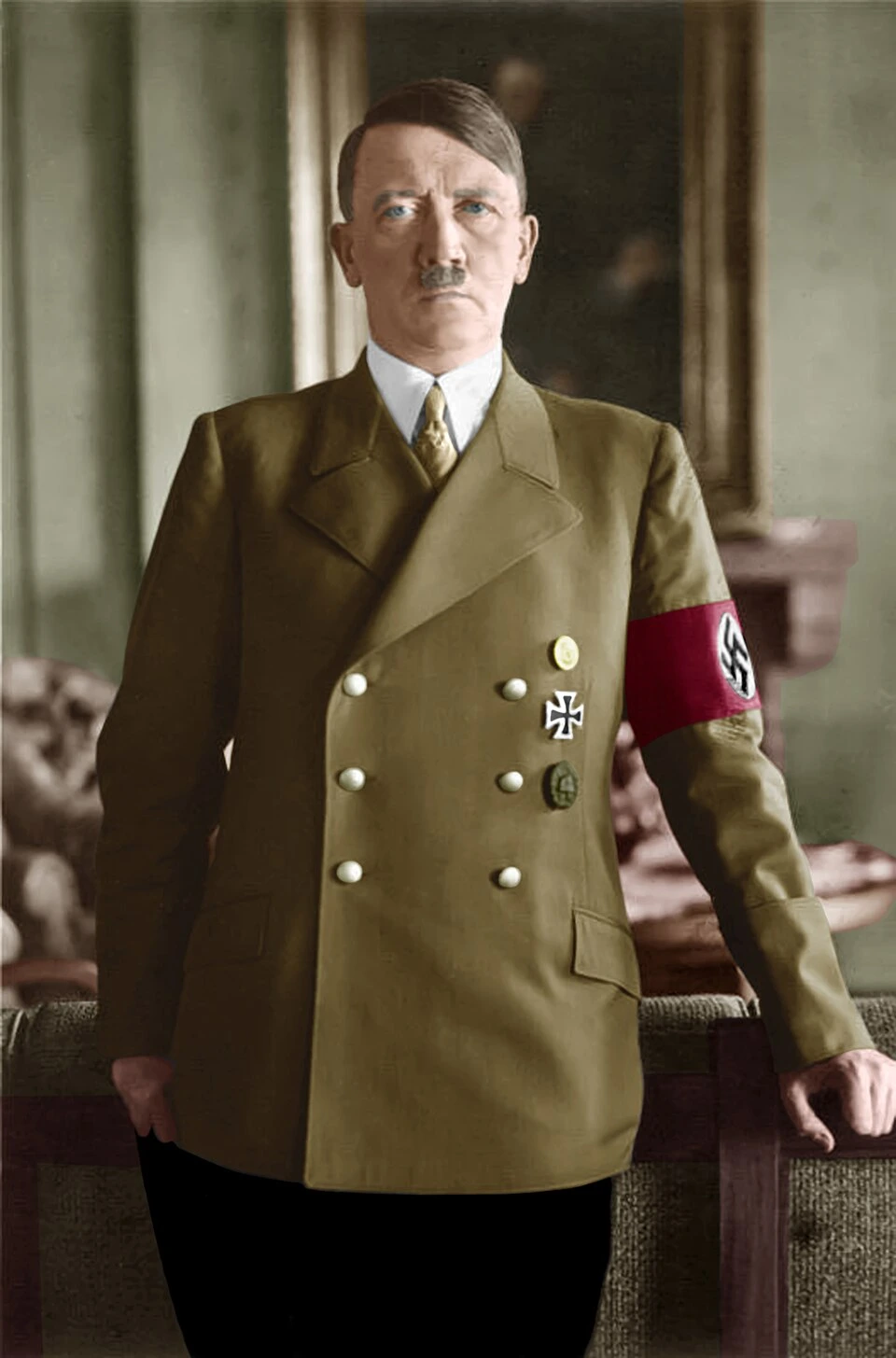
The story of Adolf Hitler is the 20th century’s most profound warning on how economic despair and nationalist fervor can be weaponized to dismantle democracy. From the beer halls of Munich to a subterranean bunker in a shattered Berlin, Hitler’s trajectory was defined by a singular, obsessive drive to reshape the world through systemic violence and racial purification.
The Path to Power: From Agitator to Chancellor
In the aftermath of World War I, Germany was a nation humbled by defeat and strangled by hyperinflation. Into this vacuum stepped Hitler, a former corporal and frustrated artist with a terrifying gift for oratory. He transformed the tiny National Socialist German Workers' Party (Nazi Party) into a national movement by providing a desperate public with easy scapegoats: the "internal enemies" (primarily Jews) and the "external oppressors" who signed the Treaty of Versailles.
After a failed coup in 1923, Hitler realized he could not take power by force alone. He spent his time in prison writing Mein Kampf, outlining his ideology of Lebensraum (living space) and Aryan supremacy. Utilizing modern propaganda and the brutal intimidation of his paramilitary "Brownshirts," he positioned himself as the only man who could restore German pride. In January 1933, amidst political gridlock, he was appointed Chancellor. Within months, the Reichstag fire provided the pretext to suspend civil liberties and establish a one-party dictatorship.
The Mechanism of Bloodshed
Once in absolute control, Hitler transitioned from political suppression to industrialized slaughter. His regime was built on a foundation of "total war" and state-sanctioned murder.
The most horrific manifestation of this was the Holocaust. Behind the front lines of the military conflict, the Nazi state built a vast network of concentration and extermination camps. Using bureaucratic precision and industrial methods, the regime murdered six million Jews and millions of others, including Romani people, people with disabilities, Soviet prisoners of war, and political dissidents. This was not the accidental byproduct of war, but a primary objective of Hitler’s "New Order."
In 1939, Hitler’s invasion of Poland ignited World War II, a global conflagration that would eventually claim an estimated 70 to 85 million lives. For Hitler, blood was the necessary currency for German expansion.
The Tide Turns: The "Total War" Backfires
The height of Hitler’s power was reached in 1941, with the Third Reich's flag flying from the Pyrenees to the outskirts of Moscow. However, the decision to invade the Soviet Union (Operation Barbarossa) and the subsequent declaration of war on the United States proved to be his undoing.
As the tide turned at Stalingrad and El Alamein, Hitler’s grip on reality began to slip. He took direct control of military strategy, often ignoring his generals' advice and demanding "victory or death" for every inch of ground. As Allied bombs leveled German cities and the Red Army closed in from the East, Hitler retreated into the Führerbunker, a concrete complex fifty feet beneath the Chancellery garden in Berlin.
The Final Act: Death in the Bunker
By April 1945, the "Thousand-Year Reich" had been reduced to a few city blocks. Hitler, now a trembling, graying shadow of his former self, remained defiant even as Soviet shells shook the ceiling of his bunker.
He married his long-time companion, Eva Braun, in a brief civil ceremony, and then dictated his final political testament, blaming the war on "international Jewry" and urging the German people to continue the struggle.
On April 30, 1945, with Soviet troops just a few hundred yards away, Hitler committed suicide. Most historical accounts conclude he died from a self-inflicted gunshot wound to the head while Eva Braun ingested cyanide. Following his strict instructions, their bodies were carried outside to the bunker’s emergency exit, doused in gasoline, and burned in a shell crater.
A Legacy of Ashes
Hitler’s death brought a swift end to the war in Europe, but the cleanup of his "New Order" took generations. He left behind a continent in ruins, a nation divided, and a moral vacuum that forced the world to redefine its understanding of human evil. His rise and fall remain the ultimate testament to the catastrophic cost of unchecked power and the danger of silence in the face of hatred.
The Path to Power: From Agitator to Chancellor
In the aftermath of World War I, Germany was a nation humbled by defeat and strangled by hyperinflation. Into this vacuum stepped Hitler, a former corporal and frustrated artist with a terrifying gift for oratory. He transformed the tiny National Socialist German Workers' Party (Nazi Party) into a national movement by providing a desperate public with easy scapegoats: the "internal enemies" (primarily Jews) and the "external oppressors" who signed the Treaty of Versailles.
After a failed coup in 1923, Hitler realized he could not take power by force alone. He spent his time in prison writing Mein Kampf, outlining his ideology of Lebensraum (living space) and Aryan supremacy. Utilizing modern propaganda and the brutal intimidation of his paramilitary "Brownshirts," he positioned himself as the only man who could restore German pride. In January 1933, amidst political gridlock, he was appointed Chancellor. Within months, the Reichstag fire provided the pretext to suspend civil liberties and establish a one-party dictatorship.
The Mechanism of Bloodshed
Once in absolute control, Hitler transitioned from political suppression to industrialized slaughter. His regime was built on a foundation of "total war" and state-sanctioned murder.
The most horrific manifestation of this was the Holocaust. Behind the front lines of the military conflict, the Nazi state built a vast network of concentration and extermination camps. Using bureaucratic precision and industrial methods, the regime murdered six million Jews and millions of others, including Romani people, people with disabilities, Soviet prisoners of war, and political dissidents. This was not the accidental byproduct of war, but a primary objective of Hitler’s "New Order."
In 1939, Hitler’s invasion of Poland ignited World War II, a global conflagration that would eventually claim an estimated 70 to 85 million lives. For Hitler, blood was the necessary currency for German expansion.
The Tide Turns: The "Total War" Backfires
The height of Hitler’s power was reached in 1941, with the Third Reich's flag flying from the Pyrenees to the outskirts of Moscow. However, the decision to invade the Soviet Union (Operation Barbarossa) and the subsequent declaration of war on the United States proved to be his undoing.
As the tide turned at Stalingrad and El Alamein, Hitler’s grip on reality began to slip. He took direct control of military strategy, often ignoring his generals' advice and demanding "victory or death" for every inch of ground. As Allied bombs leveled German cities and the Red Army closed in from the East, Hitler retreated into the Führerbunker, a concrete complex fifty feet beneath the Chancellery garden in Berlin.
The Final Act: Death in the Bunker
By April 1945, the "Thousand-Year Reich" had been reduced to a few city blocks. Hitler, now a trembling, graying shadow of his former self, remained defiant even as Soviet shells shook the ceiling of his bunker.
He married his long-time companion, Eva Braun, in a brief civil ceremony, and then dictated his final political testament, blaming the war on "international Jewry" and urging the German people to continue the struggle.
On April 30, 1945, with Soviet troops just a few hundred yards away, Hitler committed suicide. Most historical accounts conclude he died from a self-inflicted gunshot wound to the head while Eva Braun ingested cyanide. Following his strict instructions, their bodies were carried outside to the bunker’s emergency exit, doused in gasoline, and burned in a shell crater.
A Legacy of Ashes
Hitler’s death brought a swift end to the war in Europe, but the cleanup of his "New Order" took generations. He left behind a continent in ruins, a nation divided, and a moral vacuum that forced the world to redefine its understanding of human evil. His rise and fall remain the ultimate testament to the catastrophic cost of unchecked power and the danger of silence in the face of hatred.