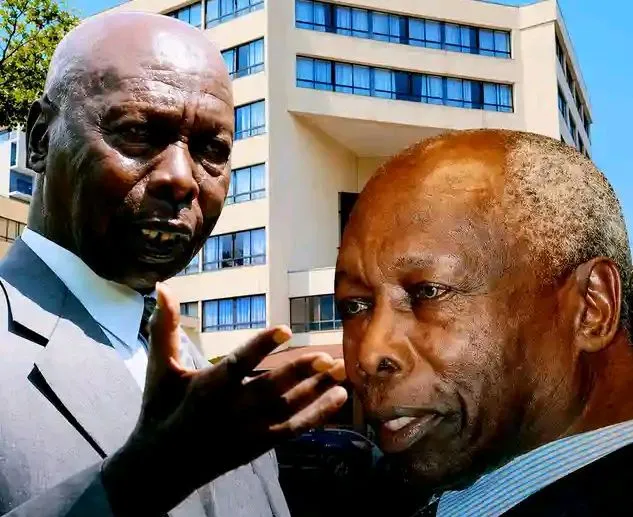
The passing of former President Daniel arap Moi in February 2020 marked the end of an era in Kenyan politics, but it also ignited curiosity about one of the country’s most talked-about topics: the distribution of his vast wealth. As one of Kenya’s longest-serving leaders, Moi’s life left an indelible mark on the nation, not just politically, but financially. His fortune, built over decades of leadership and investments, includes sprawling land, lucrative businesses, luxury homes, and bank holdings that continue to capture public attention.
A Will to Avoid Family Disputes
Before his death, Moi reportedly took steps to ensure that his wealth was distributed in an orderly manner. A formal will was prepared, aiming to avoid protracted family disputes—a common occurrence in high-profile estates in Kenya. Succession proceedings following his passing have revealed how the former president chose to divide his fortune among his eight children, highlighting both clear allocations and areas of contention.
Cash Allocations for Moi’s Daughters
One of the more straightforward elements of Moi’s estate was the cash allocation for his daughters. According to reports, the three daughters—June Chebet Moi, Doris CheKorir Moi, and Jennifer Chemutai Moi—were each earmarked to receive Ksh100 million, amounting to a total of Ksh300 million. This generous allocation of liquid funds ensured that the daughters had immediate access to substantial wealth without the complexities of managing large land holdings or businesses.
Land and Property for the Sons
The distribution of land and property, however, was far more complex. Moi’s five sons—Gideon, Jonathan, Philip, John Mark, and Raymond—were reportedly allocated significant parcels of land across Kenya. One of the most notable properties includes approximately 2,300 acres in Kabarak, Nakuru County, an area known for its fertile lands and scenic landscapes. Additional parcels in Moi’s Bridge, Uasin Gishu County, and a prominent property in Nairobi were also designated for the sons, reflecting the former president’s belief in preserving generational wealth through tangible assets.
Bank Accounts and Additional Property
In addition to land, Moi’s estate included bank accounts and other properties. Some of these funds were later distributed among the children following family agreements mediated through court proceedings. These arrangements highlight the importance Moi placed on fairness and clarity in financial matters, even if some assets were more challenging to allocate.
Controversy Over Unlisted Assets
Despite the clarity of the will, not all assets were explicitly listed, leading to legal disputes among family members. One of the most prominent contested properties was a 19.7-acre parcel in the upscale Muthaiga neighborhood of Nairobi, reportedly valued in the billions of shillings. The legal process aimed to identify these remaining assets to ensure their equitable distribution, underscoring the complexities of managing the estates of high-profile figures.
A Lasting Legacy Beyond Wealth
Even years after his death, the Moi family continues to wield significant influence in Kenya’s political, educational, and business spheres. Many of his children are active in various sectors, ensuring that the legacy of their father’s leadership and wealth remains prominent. From investments in agriculture and real estate to roles in education and philanthropy, the Moi name carries weight across the country.
Lessons in Wealth Management and Succession Planning
Moi’s estate offers a case study in both the accumulation of wealth and the challenges of succession planning. By allocating cash to daughters and land to sons, he demonstrated a strategy of dividing assets according to both liquidity and generational value. However, the disputes over unlisted properties also serve as a cautionary tale about the importance of comprehensive estate documentation, particularly for high-net-worth families.
Public Fascination with Moi’s Fortune
The public’s fascination with Moi’s wealth is understandable. Beyond the numbers, it represents decades of influence, strategy, and political power. Each property, each business, and each bank account tells a story about how Kenya’s second president managed both state affairs and personal wealth, leaving behind a legacy that continues to generate conversation and curiosity.
A Legacy Preserved and Contested
In the final analysis, Daniel arap Moi’s billions were more than just a measure of personal success—they were a reflection of a lifetime in public service, political maneuvering, and strategic investment. While his daughters and sons have received their shares, the estate’s legal proceedings remind Kenyans of the challenges inherent in wealth management, particularly for families of national prominence. As Kenya continues to evolve, the Moi family remains a symbol of the enduring interplay between wealth, power, and legacy.
A Will to Avoid Family Disputes
Before his death, Moi reportedly took steps to ensure that his wealth was distributed in an orderly manner. A formal will was prepared, aiming to avoid protracted family disputes—a common occurrence in high-profile estates in Kenya. Succession proceedings following his passing have revealed how the former president chose to divide his fortune among his eight children, highlighting both clear allocations and areas of contention.
Cash Allocations for Moi’s Daughters
One of the more straightforward elements of Moi’s estate was the cash allocation for his daughters. According to reports, the three daughters—June Chebet Moi, Doris CheKorir Moi, and Jennifer Chemutai Moi—were each earmarked to receive Ksh100 million, amounting to a total of Ksh300 million. This generous allocation of liquid funds ensured that the daughters had immediate access to substantial wealth without the complexities of managing large land holdings or businesses.
Land and Property for the Sons
The distribution of land and property, however, was far more complex. Moi’s five sons—Gideon, Jonathan, Philip, John Mark, and Raymond—were reportedly allocated significant parcels of land across Kenya. One of the most notable properties includes approximately 2,300 acres in Kabarak, Nakuru County, an area known for its fertile lands and scenic landscapes. Additional parcels in Moi’s Bridge, Uasin Gishu County, and a prominent property in Nairobi were also designated for the sons, reflecting the former president’s belief in preserving generational wealth through tangible assets.
Bank Accounts and Additional Property
In addition to land, Moi’s estate included bank accounts and other properties. Some of these funds were later distributed among the children following family agreements mediated through court proceedings. These arrangements highlight the importance Moi placed on fairness and clarity in financial matters, even if some assets were more challenging to allocate.
Controversy Over Unlisted Assets
Despite the clarity of the will, not all assets were explicitly listed, leading to legal disputes among family members. One of the most prominent contested properties was a 19.7-acre parcel in the upscale Muthaiga neighborhood of Nairobi, reportedly valued in the billions of shillings. The legal process aimed to identify these remaining assets to ensure their equitable distribution, underscoring the complexities of managing the estates of high-profile figures.
A Lasting Legacy Beyond Wealth
Even years after his death, the Moi family continues to wield significant influence in Kenya’s political, educational, and business spheres. Many of his children are active in various sectors, ensuring that the legacy of their father’s leadership and wealth remains prominent. From investments in agriculture and real estate to roles in education and philanthropy, the Moi name carries weight across the country.
Lessons in Wealth Management and Succession Planning
Moi’s estate offers a case study in both the accumulation of wealth and the challenges of succession planning. By allocating cash to daughters and land to sons, he demonstrated a strategy of dividing assets according to both liquidity and generational value. However, the disputes over unlisted properties also serve as a cautionary tale about the importance of comprehensive estate documentation, particularly for high-net-worth families.
Public Fascination with Moi’s Fortune
The public’s fascination with Moi’s wealth is understandable. Beyond the numbers, it represents decades of influence, strategy, and political power. Each property, each business, and each bank account tells a story about how Kenya’s second president managed both state affairs and personal wealth, leaving behind a legacy that continues to generate conversation and curiosity.
A Legacy Preserved and Contested
In the final analysis, Daniel arap Moi’s billions were more than just a measure of personal success—they were a reflection of a lifetime in public service, political maneuvering, and strategic investment. While his daughters and sons have received their shares, the estate’s legal proceedings remind Kenyans of the challenges inherent in wealth management, particularly for families of national prominence. As Kenya continues to evolve, the Moi family remains a symbol of the enduring interplay between wealth, power, and legacy.