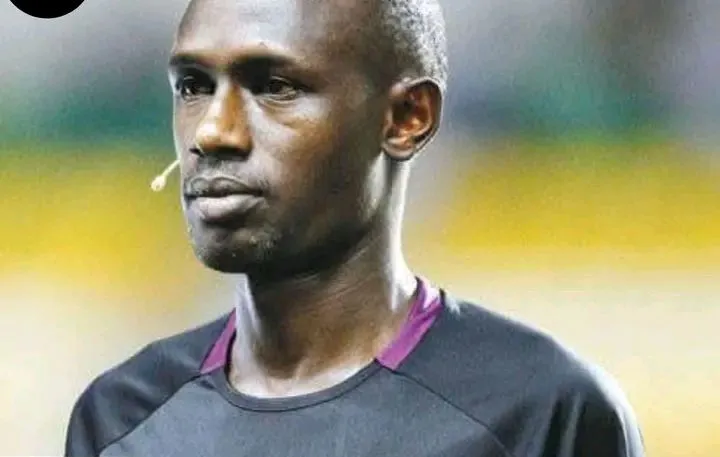
In a historic moment for athletics, Kenyan long-distance runner Sabastian Sawe shattered expectations and made history by becoming the first man ever to complete a marathon in under two hours. Sawe crossed the finish line at the London Marathon in a stunning time of 1:59:30, setting a new world record and rewriting the record books for marathon running.
The feat is a remarkable achievement, reflecting not only Sawe’s extraordinary talent but also the relentless training, determination, and strategy that have propelled him to the very top of global long-distance running. For decades, breaking the two-hour barrier had been regarded as the ultimate challenge in marathon running, a feat many athletes and coaches believed was almost unattainable under official race conditions.
The Record-Breaking Run
The London Marathon, known for its flat, fast course and ideal racing conditions, served as the perfect stage for Sawe’s record attempt. From the start line, Sawe maintained an impressive pace, demonstrating extraordinary stamina and mental toughness. Every kilometer brought him closer to history, with spectators lining the streets of London cheering him on as he defied the limits of human endurance.
As Sawe approached the final stretch of the race, the excitement was palpable. Crowds roared, and fellow athletes and pacemakers watched in awe as he crossed the finish line in 1 hour, 59 minutes, and 30 seconds—a milestone moment that will be remembered in athletics history.
A Historic Achievement
Breaking the two-hour barrier in a marathon is comparable to the legendary achievements in other sports, such as Roger Bannister’s breaking of the four-minute mile in 1954. Like Bannister, Sawe has now become a symbol of what is possible when natural talent, scientific training methods, and sheer determination converge.
Sawe’s accomplishment not only cements his place among the legends of long-distance running but also serves as an inspiration to athletes worldwide. His achievement proves that with meticulous preparation, discipline, and mental resilience, barriers that once seemed insurmountable can indeed be broken.
Preparation and Training
Sawe’s journey to the record-breaking marathon was far from easy. The Kenyan runner reportedly underwent months of intense physical preparation, combining endurance training, strength conditioning, and mental strategies to optimize performance. Nutrition, recovery, and pacing were all carefully calibrated to support his goal of breaking the two-hour barrier.
Kenya has long been celebrated for producing world-class distance runners, and Sawe’s triumph further strengthens the country’s reputation in the sport. His achievement adds to a rich history of Kenyan excellence in marathons, following in the footsteps of legendary athletes such as Eliud Kipchoge, who famously completed a sub-two-hour marathon in a special non-competitive event in 2019, but Sawe’s record is now officially recognized under competitive race conditions, making it even more historic.
Impact on Marathon Running
This record-breaking performance has a ripple effect on the world of long-distance running. Coaches and athletes will analyze Sawe’s race strategy, pacing techniques, and physiological performance to understand how human endurance can continue to be pushed to new limits.
Sports scientists are particularly intrigued by Sawe’s split times, hydration strategies, and energy management throughout the race. His ability to sustain such a fast pace over 42.195 kilometers provides valuable insights that could influence future training and competitive strategies for marathon runners globally.
Celebrations and Recognition
Following the race, Sawe was met with widespread praise from the athletics community, fellow runners, and fans worldwide. Social media lit up with congratulations, highlighting the significance of the moment for both Kenya and the global running community.
Officials from the International Association of Athletics Federations (IAAF) confirmed the legitimacy of the record, officially recognizing Sawe’s 1:59:30 marathon time as a new world record. This validation cements Sawe’s place in history and guarantees that his name will be remembered alongside other sporting legends.
Looking Ahead
While Sawe’s achievement is monumental, the Kenyan athlete remains focused on the future. In interviews following the race, he expressed a desire to continue competing at the highest level, aiming to inspire the next generation of athletes and pushing the boundaries of what is possible in long-distance running.
Sports enthusiasts and young runners across the world now have a new benchmark to aspire to, as Sawe’s feat demonstrates that human limits are constantly evolving. His record at the London Marathon is not just a personal victory—it is a global milestone that will motivate athletes for years to come.
Sabastian Sawe’s historic run is more than just a sporting achievement; it is a celebration of human endurance, resilience, and the relentless pursuit of greatness. As the first man to officially break the two-hour marathon barrier, he has carved his name into history and inspired millions to believe that even the most challenging goals can be achieved with determination and preparation.
The feat is a remarkable achievement, reflecting not only Sawe’s extraordinary talent but also the relentless training, determination, and strategy that have propelled him to the very top of global long-distance running. For decades, breaking the two-hour barrier had been regarded as the ultimate challenge in marathon running, a feat many athletes and coaches believed was almost unattainable under official race conditions.
The Record-Breaking Run
The London Marathon, known for its flat, fast course and ideal racing conditions, served as the perfect stage for Sawe’s record attempt. From the start line, Sawe maintained an impressive pace, demonstrating extraordinary stamina and mental toughness. Every kilometer brought him closer to history, with spectators lining the streets of London cheering him on as he defied the limits of human endurance.
As Sawe approached the final stretch of the race, the excitement was palpable. Crowds roared, and fellow athletes and pacemakers watched in awe as he crossed the finish line in 1 hour, 59 minutes, and 30 seconds—a milestone moment that will be remembered in athletics history.
A Historic Achievement
Breaking the two-hour barrier in a marathon is comparable to the legendary achievements in other sports, such as Roger Bannister’s breaking of the four-minute mile in 1954. Like Bannister, Sawe has now become a symbol of what is possible when natural talent, scientific training methods, and sheer determination converge.
Sawe’s accomplishment not only cements his place among the legends of long-distance running but also serves as an inspiration to athletes worldwide. His achievement proves that with meticulous preparation, discipline, and mental resilience, barriers that once seemed insurmountable can indeed be broken.
Preparation and Training
Sawe’s journey to the record-breaking marathon was far from easy. The Kenyan runner reportedly underwent months of intense physical preparation, combining endurance training, strength conditioning, and mental strategies to optimize performance. Nutrition, recovery, and pacing were all carefully calibrated to support his goal of breaking the two-hour barrier.
Kenya has long been celebrated for producing world-class distance runners, and Sawe’s triumph further strengthens the country’s reputation in the sport. His achievement adds to a rich history of Kenyan excellence in marathons, following in the footsteps of legendary athletes such as Eliud Kipchoge, who famously completed a sub-two-hour marathon in a special non-competitive event in 2019, but Sawe’s record is now officially recognized under competitive race conditions, making it even more historic.
Impact on Marathon Running
This record-breaking performance has a ripple effect on the world of long-distance running. Coaches and athletes will analyze Sawe’s race strategy, pacing techniques, and physiological performance to understand how human endurance can continue to be pushed to new limits.
Sports scientists are particularly intrigued by Sawe’s split times, hydration strategies, and energy management throughout the race. His ability to sustain such a fast pace over 42.195 kilometers provides valuable insights that could influence future training and competitive strategies for marathon runners globally.
Celebrations and Recognition
Following the race, Sawe was met with widespread praise from the athletics community, fellow runners, and fans worldwide. Social media lit up with congratulations, highlighting the significance of the moment for both Kenya and the global running community.
Officials from the International Association of Athletics Federations (IAAF) confirmed the legitimacy of the record, officially recognizing Sawe’s 1:59:30 marathon time as a new world record. This validation cements Sawe’s place in history and guarantees that his name will be remembered alongside other sporting legends.
Looking Ahead
While Sawe’s achievement is monumental, the Kenyan athlete remains focused on the future. In interviews following the race, he expressed a desire to continue competing at the highest level, aiming to inspire the next generation of athletes and pushing the boundaries of what is possible in long-distance running.
Sports enthusiasts and young runners across the world now have a new benchmark to aspire to, as Sawe’s feat demonstrates that human limits are constantly evolving. His record at the London Marathon is not just a personal victory—it is a global milestone that will motivate athletes for years to come.
Sabastian Sawe’s historic run is more than just a sporting achievement; it is a celebration of human endurance, resilience, and the relentless pursuit of greatness. As the first man to officially break the two-hour marathon barrier, he has carved his name into history and inspired millions to believe that even the most challenging goals can be achieved with determination and preparation.