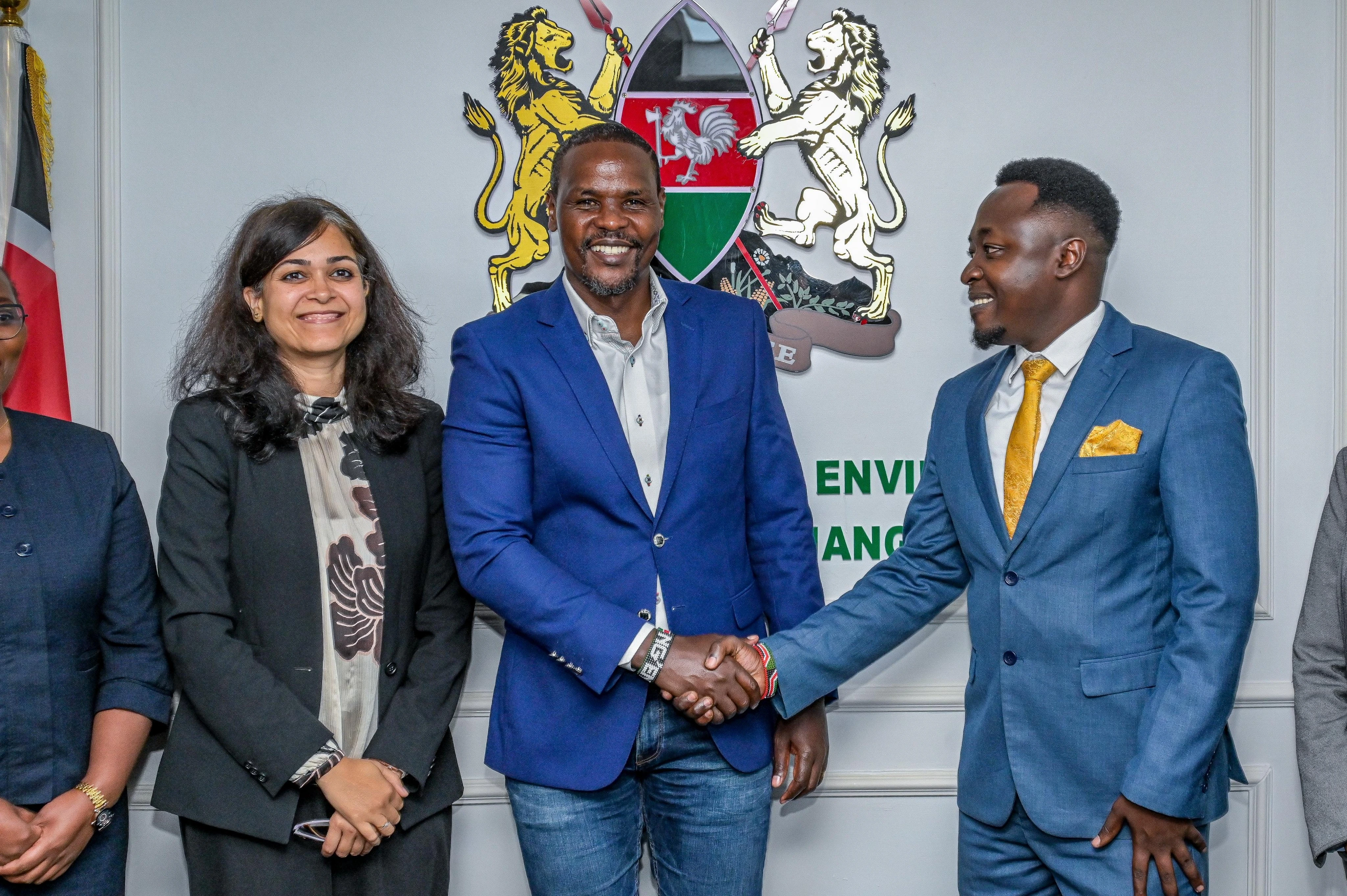
The Kenya Wildlife Service (KWS) has granted Konza Technopolis wildlife conservancy status, marking a significant milestone in the integration of environmental conservation and urban development. The designation will see 1,000 acres within the smart city reserved for wildlife conservation, making Konza one of the few urban developments in Africa to incorporate a protected wildlife reserve within its master plan.
A Unique Conservation Model
Konza Technopolis, popularly known as Kenya's "Silicon Savannah," occupies approximately 5,000 acres and is being developed as a technology and innovation hub under Kenya's Vision 2030 development blueprint. The newly recognized conservancy will preserve a dedicated wildlife corridor and natural habitat within the city, allowing wildlife and biodiversity to coexist alongside modern infrastructure and technological development.
The 1,000-acre conservation area has been part of Konza's long-term environmental planning, with officials describing it as a pioneering effort to balance economic growth with ecological sustainability.
Supporting Sustainable Urban Development
The conservancy status aligns with Kenya's broader efforts to promote sustainable development and environmental stewardship. By protecting wildlife habitats within the smart city, Konza aims to demonstrate how technology-driven urban centres can be developed without compromising natural ecosystems.
The wildlife reserve is expected to serve as a conservation area for local flora and fauna while also supporting research, environmental education, and eco-tourism opportunities within the city.
Konza's Growing Role in Innovation and Conservation
The development comes as Konza Technopolis continues to expand its role as a centre for innovation, research, and technology. The smart city hosts key national projects, including advanced digital infrastructure, research institutions, and technology-driven initiatives. Recent conservation-focused collaborations have also positioned Konza as a hub for the application of technology in wildlife protection and environmental monitoring.
Officials have previously highlighted the wildlife corridor as a key component of Konza's master plan, underscoring the city's commitment to creating a model where urbanization and conservation can thrive together.
Significance for Kenya and Africa
The KWS designation is expected to strengthen Konza's reputation as a leading smart city project on the continent. By incorporating a protected wildlife reserve into its development framework, the project offers a unique example of how future cities can integrate environmental conservation into urban planning from the outset.