At the sprawling Marikiti (Wakulima) Market in Nairobi, the usual chaotic symphony of haggling, shouting, and the rumble of handcart pushers has an unusual undertone these days: frustration. The wooden crates that once overflowed with plump, red tomatoes are now sparse, holding a handful of hard, greenish-yellow specimens that look as confused as the buyers staring at them.
In Kenya, a meal without a tomato-based stew—whether accompanying ugali, githeri, or chapati—is almost considered a culinary sin. Tomatoes are not just a crop in Kenya; they are "red gold," the foundational building block of the local diet. But over the past few months, a severe shortage of tomatoes in key regions has sent shockwaves through the supply chain.
While consumers are groaning over the high cost of preparing a basic family meal, the silent, most devastating impact is being felt at the micro-economic level: among the local traders, Mama Mbogas (vegetable vendors), and food kiosk owners whose livelihoods depend entirely on this perishable fruit.
The Anatomy of the Shortage
The current scarcity is a cocktail of predictable adversities. In major tomato-producing counties like Kirinyaga, Kajiado, Makueni, and parts of the Rift Valley, erratic weather patterns have played havoc. Flash floods washed away entire fields, while in other areas, prolonged dry spells stunted growth.
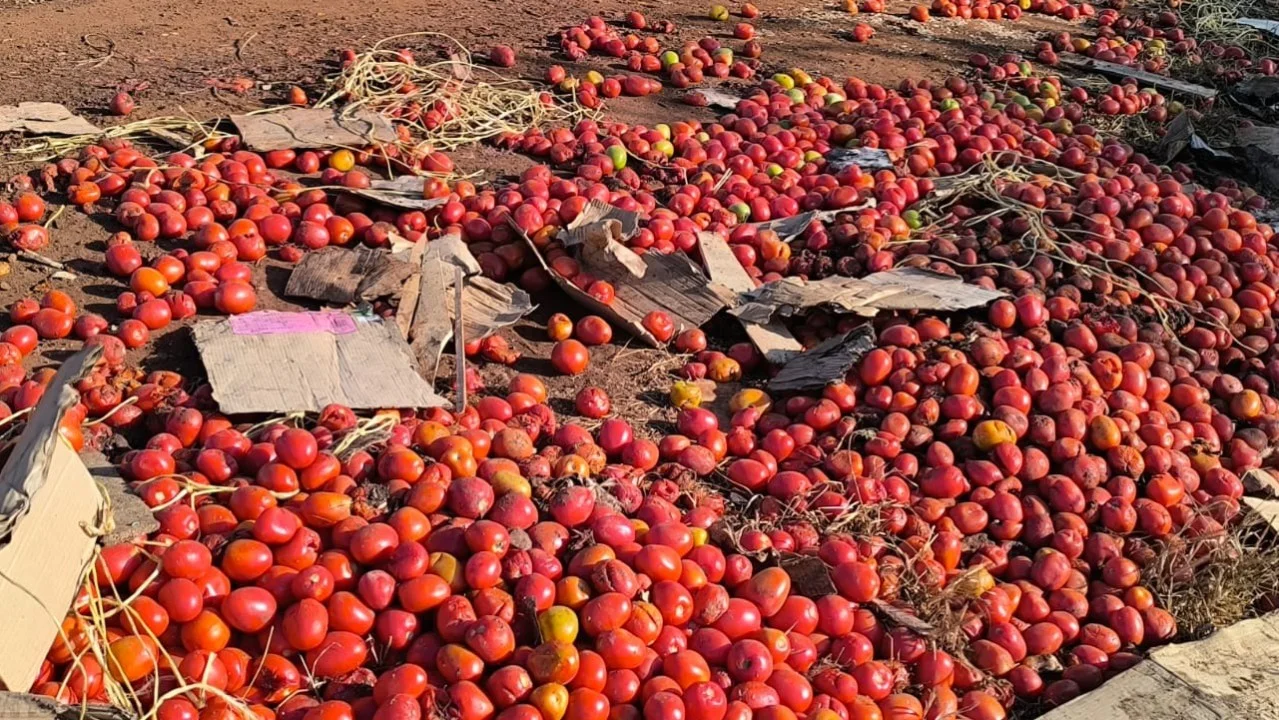
Furthermore, the infamous Tomato Leaf Miner (Tuta absoluta), a pest that decimates crops overnight, has made a vicious comeback. Add to this the chronic lack of cold-storage facilities in Kenya, which means that even the tomatoes that survive the farm often rot in transit before reaching the wholesale markets.
The result? A kilogram of tomatoes that traditionally retailed for between Ksh 50 to Ksh 80 has skyrocketed to between Ksh 200 and Ksh 300, depending on the region.
The "Profit Illusion" for the Mama Mboga
To an outsider, a price hike looks like a boom time for vegetable sellers. If the price triples, shouldn't their profits triple? Local traders say this is a dangerous economic illusion.
For the average "Mama Mboga " operating a wooden stall in an estate, the economics of a tomato shortage are brutal. Because tomatoes are a daily necessity, a trader is forced to buy the expensive stock just to keep customers from going to the supermarket next door. However, because the price is so high, the volume of sales plummets.
Instead of a customer buying three or four tomatoes, they buy one. Worse still, tomatoes have a shelf life of just a few days. In a high-price, low-volume market, traders are watching their expensive inventory rot on the tables before they can sell it. When a crate goes bad, the trader absorbs a catastrophic loss that can wipe out a week’s profits.
The Ripple Effect of the "Cross-Sale"
Tomatoes are what economists call a "traffic driver" in the informal retail sector. A typical customer walks to the local kibanda to buy tomatoes, and while there, they pick up onions, kale (sukuma wiki), carrots, and a bunch of coriander.
When tomatoes disappear or become unaffordable, the customer doesn't just skip the tomatoes; they skip the kibanda entirely. They might buy a pre-packaged salad from a supermarket, or worse, skip cooking fresh food altogether.
Local traders report a drop of up to 40% in overall sales of other vegetables simply because the anchor product—tomatoes—is missing. The lack of tomatoes is inadvertently starving the entire informal vegetable ecosystem.
The Kiosk Crisis: Watering Down the Stew
Further down the chain are the thousands of roadside food kiosks that feed Kenya’s working class. For these entrepreneurs, the tomato crisis is an existential threat.
To maintain their margins and keep the price of a plate of food affordable (usually between Ksh 50 and Ksh 100), kiosk owners have been forced into desperate measures. Many have completely dropped fresh tomatoes and replaced them with commercial tomato paste. But even the price of tomato paste has risen due to high demand.
Others are resorting to "watering down" the stew, making it heavily reliant on onions and artificial food coloring to give it a reddish hue. The result? A noticeable drop in the quality of food. Regular customers notice the difference, feel shortchanged, and stop coming. For a kiosk owner operating on daily cash flow, losing even five regular customers a day can mean they cannot pay their rent or buy food for their own family that night.
A Symptom of a Bigger Problem
The plight of the local trader during this tomato shortage highlights the fragility of Kenya’s informal economy. Millions of families survive on the margins, entirely unprotected from agricultural shocks.
When a crop fails due to poor infrastructure, lack of subsidized irrigation, and weak pest control, the pain isn't felt by large-scale commercial farmers who have insurance and alternative crops. The pain is outsourced to the woman selling vegetables by the roadside in Kayole, or the man cooking "matumbo" in a cramped stall in Kisumu.
My take on The Way Forward is ;
The tomato crisis is a stark reminder that food security in Kenya cannot just be about having enough to eat; it must also be about economic security for those who sell the food.
Until the county and national governments invest in cold-chain logistics, subsidize greenhouse farming for smallholders, and provide actionable pest-control interventions, the "red gold" will remain a gamble. And as long as it remains a gamble, the local traders—the backbone of Kenya’s retail economy—will continue to pay the heaviest price for a salad bowl that is increasingly empty.
In Kenya, a meal without a tomato-based stew—whether accompanying ugali, githeri, or chapati—is almost considered a culinary sin. Tomatoes are not just a crop in Kenya; they are "red gold," the foundational building block of the local diet. But over the past few months, a severe shortage of tomatoes in key regions has sent shockwaves through the supply chain.
While consumers are groaning over the high cost of preparing a basic family meal, the silent, most devastating impact is being felt at the micro-economic level: among the local traders, Mama Mbogas (vegetable vendors), and food kiosk owners whose livelihoods depend entirely on this perishable fruit.
The Anatomy of the Shortage
The current scarcity is a cocktail of predictable adversities. In major tomato-producing counties like Kirinyaga, Kajiado, Makueni, and parts of the Rift Valley, erratic weather patterns have played havoc. Flash floods washed away entire fields, while in other areas, prolonged dry spells stunted growth.
Furthermore, the infamous Tomato Leaf Miner (Tuta absoluta), a pest that decimates crops overnight, has made a vicious comeback. Add to this the chronic lack of cold-storage facilities in Kenya, which means that even the tomatoes that survive the farm often rot in transit before reaching the wholesale markets.
The result? A kilogram of tomatoes that traditionally retailed for between Ksh 50 to Ksh 80 has skyrocketed to between Ksh 200 and Ksh 300, depending on the region.
The "Profit Illusion" for the Mama Mboga
To an outsider, a price hike looks like a boom time for vegetable sellers. If the price triples, shouldn't their profits triple? Local traders say this is a dangerous economic illusion.
For the average "Mama Mboga " operating a wooden stall in an estate, the economics of a tomato shortage are brutal. Because tomatoes are a daily necessity, a trader is forced to buy the expensive stock just to keep customers from going to the supermarket next door. However, because the price is so high, the volume of sales plummets.
Instead of a customer buying three or four tomatoes, they buy one. Worse still, tomatoes have a shelf life of just a few days. In a high-price, low-volume market, traders are watching their expensive inventory rot on the tables before they can sell it. When a crate goes bad, the trader absorbs a catastrophic loss that can wipe out a week’s profits.
The Ripple Effect of the "Cross-Sale"
Tomatoes are what economists call a "traffic driver" in the informal retail sector. A typical customer walks to the local kibanda to buy tomatoes, and while there, they pick up onions, kale (sukuma wiki), carrots, and a bunch of coriander.
When tomatoes disappear or become unaffordable, the customer doesn't just skip the tomatoes; they skip the kibanda entirely. They might buy a pre-packaged salad from a supermarket, or worse, skip cooking fresh food altogether.
Local traders report a drop of up to 40% in overall sales of other vegetables simply because the anchor product—tomatoes—is missing. The lack of tomatoes is inadvertently starving the entire informal vegetable ecosystem.
The Kiosk Crisis: Watering Down the Stew
Further down the chain are the thousands of roadside food kiosks that feed Kenya’s working class. For these entrepreneurs, the tomato crisis is an existential threat.
To maintain their margins and keep the price of a plate of food affordable (usually between Ksh 50 and Ksh 100), kiosk owners have been forced into desperate measures. Many have completely dropped fresh tomatoes and replaced them with commercial tomato paste. But even the price of tomato paste has risen due to high demand.
Others are resorting to "watering down" the stew, making it heavily reliant on onions and artificial food coloring to give it a reddish hue. The result? A noticeable drop in the quality of food. Regular customers notice the difference, feel shortchanged, and stop coming. For a kiosk owner operating on daily cash flow, losing even five regular customers a day can mean they cannot pay their rent or buy food for their own family that night.
A Symptom of a Bigger Problem
The plight of the local trader during this tomato shortage highlights the fragility of Kenya’s informal economy. Millions of families survive on the margins, entirely unprotected from agricultural shocks.
When a crop fails due to poor infrastructure, lack of subsidized irrigation, and weak pest control, the pain isn't felt by large-scale commercial farmers who have insurance and alternative crops. The pain is outsourced to the woman selling vegetables by the roadside in Kayole, or the man cooking "matumbo" in a cramped stall in Kisumu.
My take on The Way Forward is ;
The tomato crisis is a stark reminder that food security in Kenya cannot just be about having enough to eat; it must also be about economic security for those who sell the food.
Until the county and national governments invest in cold-chain logistics, subsidize greenhouse farming for smallholders, and provide actionable pest-control interventions, the "red gold" will remain a gamble. And as long as it remains a gamble, the local traders—the backbone of Kenya’s retail economy—will continue to pay the heaviest price for a salad bowl that is increasingly empty.