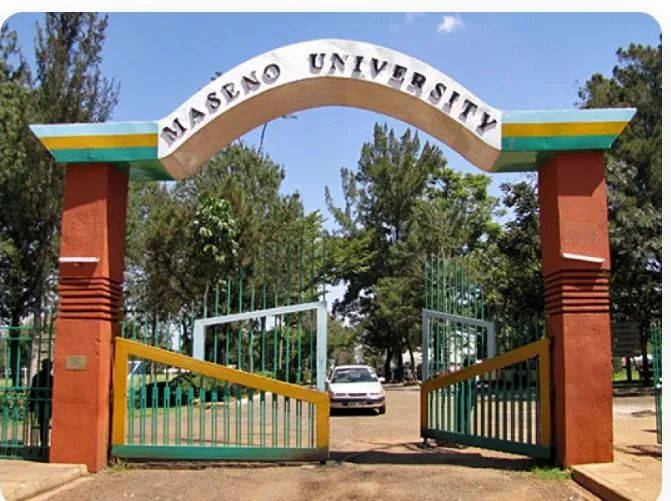
The Employment and Labour Relations Court in Nairobi has temporarily stopped the recruitment process for a new Vice Chancellor at Maseno University following a legal challenge by Prof. Mary Abukutsa-Onyango, who claims she was unfairly excluded from consideration.
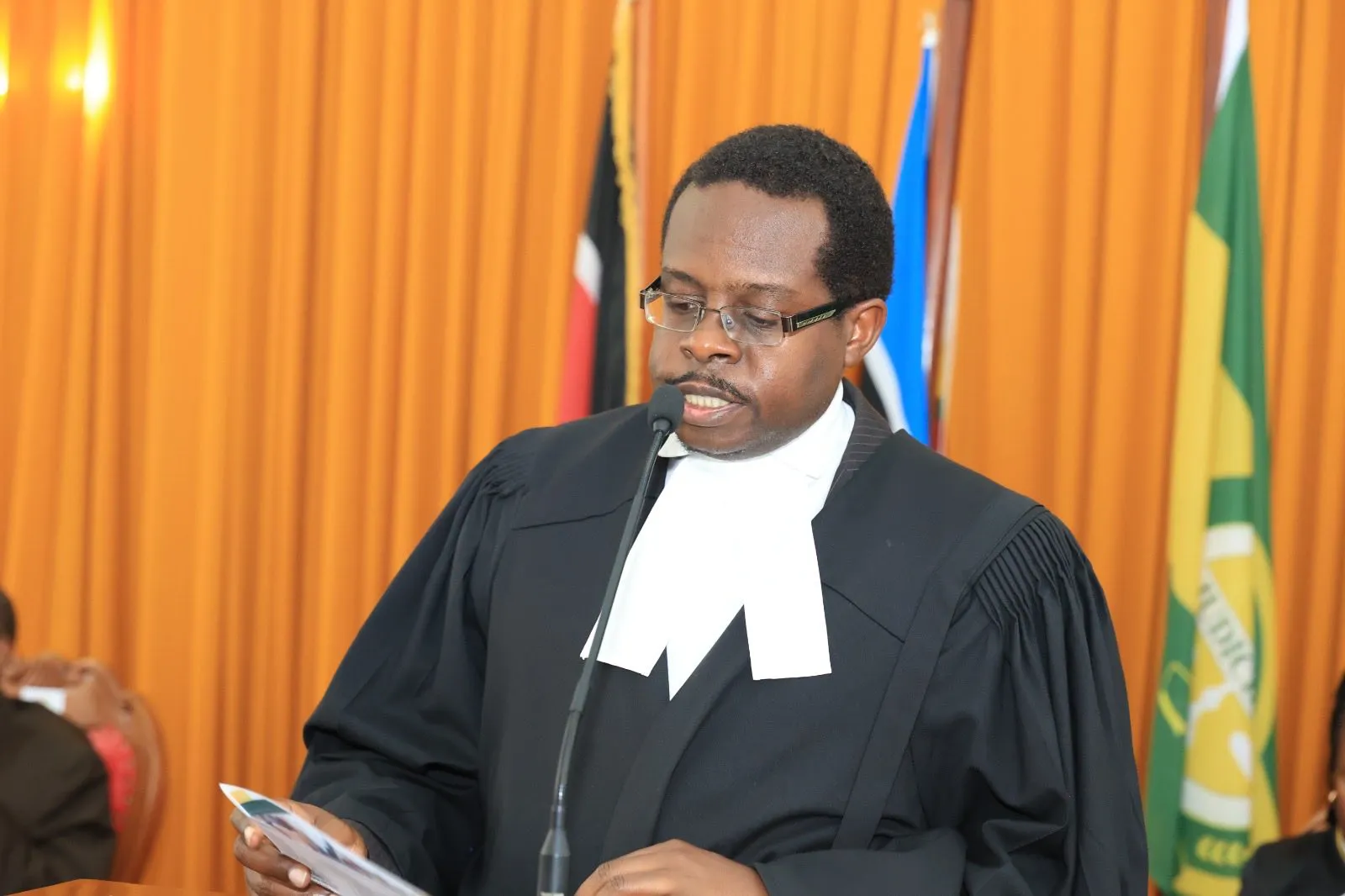
Justice Dr. Jacob Gakeri granted Prof. Abukutsa-Onyango leave to file judicial review proceedings against the Public Service Commission (PSC) and Maseno University. This ruling allows her challenge to proceed to a full hearing, effectively pausing the ongoing recruitment process.
In his ruling, Justice Gakeri noted that the court was satisfied that the professor had raised an arguable case. “The court is satisfied that the applicant has an arguable case in the first instance and the application for leave is merited,” Justice Gakeri stated.
Prof. Abukutsa-Onyango’s Challenge
Prof. Abukutsa-Onyango, a respected academic and scientist, moved to court under a certificate of urgency seeking to halt the recruitment process. She sought to quash the shortlisting, interviews, and eventual appointment of the new Vice Chancellor until her case could be heard.
According to her submission, she had applied for the Maseno University Vice Chancellor position well before the January 9, 2026 deadline but was inexplicably excluded from the shortlist. Through her lawyer, she explained that she had also applied for similar positions at the University of Nairobi and Kenyatta University. While her applications to these universities were acknowledged, her Maseno University application was allegedly ignored despite being submitted on time.
Prof. Abukutsa-Onyango claimed to have evidence showing that she had filed all three applications before the deadline and had lodged complaints with the PSC and the Office of the Ombudsman after failing to receive feedback. However, she stated that her complaints did not receive timely responses.
PSC’s Response
The Public Service Commission, represented by Chief Executive Officer Paul Famba, opposed the application. The commission argued that there was no record of Prof. Abukutsa-Onyango applying for the Maseno University post. The PSC also described the documents presented by the professor as unclear and insufficient to conclusively prove her submission.
“The evidence availed by the applicant to show that she applied was illegible and difficult to make any conclusion,” the PSC said in court papers. The commission further argued that the recruitment process had already concluded, suggesting that the professor’s application was now overtaken by events.
Court’s Reasoning
Despite the PSC’s objections, the court found that there were unresolved questions that warranted further examination. Central to the case is whether Prof. Abukutsa-Onyango did indeed submit her application and, if so, how it was handled by the commission and the university.
Justice Gakeri noted that the leave granted would operate as a stay, effectively suspending the ongoing recruitment process until the matter is fully heard and determined. “The prayer that leave act as stay appears merited in the interest of justice,” he ruled, emphasizing the need to protect the rights of applicants in public service recruitment processes.
Broader Implications
This case highlights ongoing concerns about transparency and fairness in the recruitment of senior positions in Kenya’s public universities. Professors and other candidates have often raised issues regarding alleged favoritism, administrative errors, and lack of clear communication during recruitment processes.
If Prof. Abukutsa-Onyango’s challenge succeeds, it could set a significant precedent for how public universities handle the recruitment of top leadership positions. It may also prompt the PSC and universities to strengthen their application tracking systems and ensure that all applicants are treated fairly and transparently.
Prof. Abukutsa-Onyango, widely respected for her work in agriculture and academia, has previously held various leadership positions and is known for her contributions to science and education in Kenya. Her exclusion from the recruitment process, whether administrative or otherwise, has sparked discussions in academic circles about equity, recognition, and procedural fairness.
Next Steps
The court has now allowed Prof. Abukutsa-Onyango to formally file judicial review proceedings. Once filed, the case will be set for a full hearing where evidence from both the professor and the PSC will be scrutinized. Until the matter is determined, the recruitment process at Maseno University remains on hold.
This development is being closely watched by academics, university staff, and prospective candidates across the country, as it could have broader implications for how leadership positions in Kenya’s universities are advertised, applied for, and awarded.
As the matter unfolds, the focus will be on ensuring that the principles of transparency, fairness, and accountability are upheld in the recruitment of top university leadership.
Justice Dr. Jacob Gakeri granted Prof. Abukutsa-Onyango leave to file judicial review proceedings against the Public Service Commission (PSC) and Maseno University. This ruling allows her challenge to proceed to a full hearing, effectively pausing the ongoing recruitment process.
In his ruling, Justice Gakeri noted that the court was satisfied that the professor had raised an arguable case. “The court is satisfied that the applicant has an arguable case in the first instance and the application for leave is merited,” Justice Gakeri stated.
Prof. Abukutsa-Onyango’s Challenge
Prof. Abukutsa-Onyango, a respected academic and scientist, moved to court under a certificate of urgency seeking to halt the recruitment process. She sought to quash the shortlisting, interviews, and eventual appointment of the new Vice Chancellor until her case could be heard.
According to her submission, she had applied for the Maseno University Vice Chancellor position well before the January 9, 2026 deadline but was inexplicably excluded from the shortlist. Through her lawyer, she explained that she had also applied for similar positions at the University of Nairobi and Kenyatta University. While her applications to these universities were acknowledged, her Maseno University application was allegedly ignored despite being submitted on time.
Prof. Abukutsa-Onyango claimed to have evidence showing that she had filed all three applications before the deadline and had lodged complaints with the PSC and the Office of the Ombudsman after failing to receive feedback. However, she stated that her complaints did not receive timely responses.
PSC’s Response
The Public Service Commission, represented by Chief Executive Officer Paul Famba, opposed the application. The commission argued that there was no record of Prof. Abukutsa-Onyango applying for the Maseno University post. The PSC also described the documents presented by the professor as unclear and insufficient to conclusively prove her submission.
“The evidence availed by the applicant to show that she applied was illegible and difficult to make any conclusion,” the PSC said in court papers. The commission further argued that the recruitment process had already concluded, suggesting that the professor’s application was now overtaken by events.
Court’s Reasoning
Despite the PSC’s objections, the court found that there were unresolved questions that warranted further examination. Central to the case is whether Prof. Abukutsa-Onyango did indeed submit her application and, if so, how it was handled by the commission and the university.
Justice Gakeri noted that the leave granted would operate as a stay, effectively suspending the ongoing recruitment process until the matter is fully heard and determined. “The prayer that leave act as stay appears merited in the interest of justice,” he ruled, emphasizing the need to protect the rights of applicants in public service recruitment processes.
Broader Implications
This case highlights ongoing concerns about transparency and fairness in the recruitment of senior positions in Kenya’s public universities. Professors and other candidates have often raised issues regarding alleged favoritism, administrative errors, and lack of clear communication during recruitment processes.
If Prof. Abukutsa-Onyango’s challenge succeeds, it could set a significant precedent for how public universities handle the recruitment of top leadership positions. It may also prompt the PSC and universities to strengthen their application tracking systems and ensure that all applicants are treated fairly and transparently.
Prof. Abukutsa-Onyango, widely respected for her work in agriculture and academia, has previously held various leadership positions and is known for her contributions to science and education in Kenya. Her exclusion from the recruitment process, whether administrative or otherwise, has sparked discussions in academic circles about equity, recognition, and procedural fairness.
Next Steps
The court has now allowed Prof. Abukutsa-Onyango to formally file judicial review proceedings. Once filed, the case will be set for a full hearing where evidence from both the professor and the PSC will be scrutinized. Until the matter is determined, the recruitment process at Maseno University remains on hold.
This development is being closely watched by academics, university staff, and prospective candidates across the country, as it could have broader implications for how leadership positions in Kenya’s universities are advertised, applied for, and awarded.
As the matter unfolds, the focus will be on ensuring that the principles of transparency, fairness, and accountability are upheld in the recruitment of top university leadership.