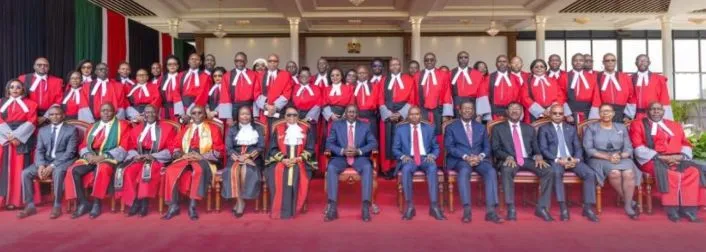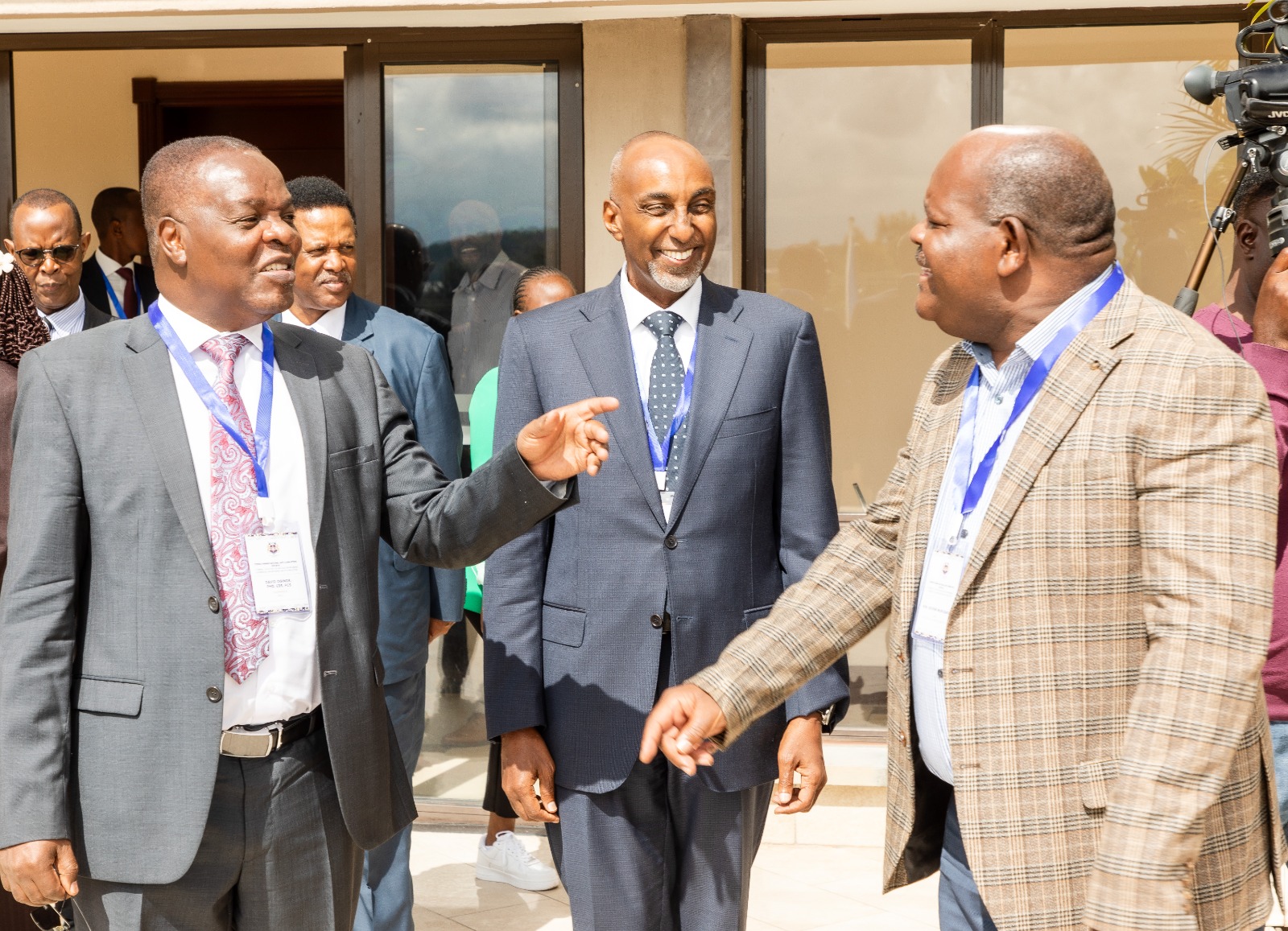
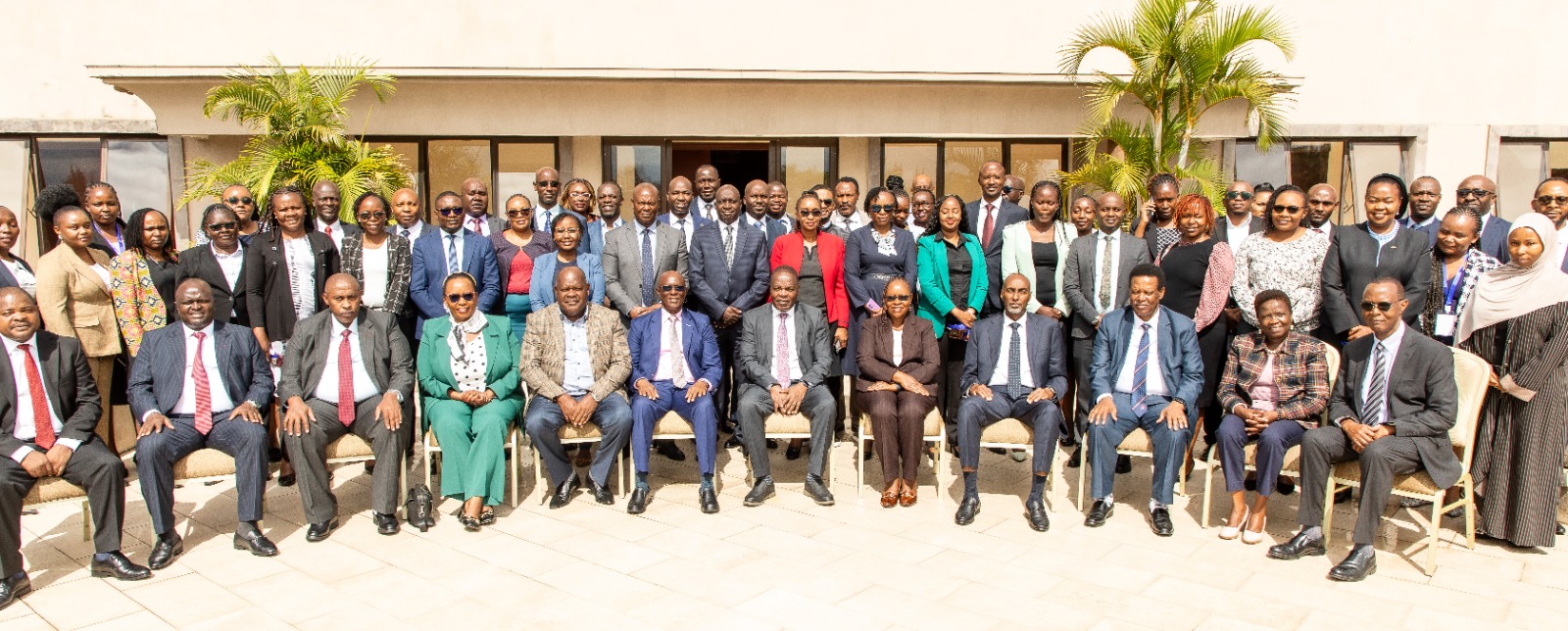
The gathering bringing together investigators, prosecutors, judges, and oversight bodies is less about rhetoric and more about confronting a persistent challenge: why corruption cases still stall, collapse, or drag on despite years of reforms.
Opening the dialogue on behalf of Martha Koome, Court of Appeal Judge Mwaniki Gachoka pointed to steady, if uneven, progress within the justice chain. That progress, anchored under the National Council on the Administration of Justice (NCAJ), has focused on aligning institutions that often operate independently but must ultimately deliver a single outcome justice.
In a speech delivered on her behalf, the Chief Justice highlighted tangible reforms rolled out over the past year, including new procedural frameworks designed to fast-track corruption cases and eliminate systemic delays.
“The primary objective of these guidelines is to ensure the just, fair, timely, and expeditious disposal of corruption and economic crime cases,” she said.
Yet even as these frameworks take root, the message from the forum is clear: structural reforms alone are not enough. Stakeholders are now being challenged to interrogate deeper inefficiencies from investigation timelines to prosecutorial readiness and case management within courts.
At the centre of the discussions is a growing recognition that success in fighting corruption hinges on coordination, not just institutional mandates.
EACC Chief Executive Officer Abdi Mohamud framed the dialogue as a critical step toward bridging operational gaps across the justice system.
“The dialogue is anchored on the NCAJ’s mission to promote a consultative approach in the administration of justice by bringing together key actors to jointly develop and implement reform priorities in the criminal justice system,” he noted.
His remarks were reinforced by EACC Chairperson David Oginde, who called for a shift from siloed efforts to collective action despite the constitutional independence of participating institutions.
“When spider webs unite, they can tie up a lion. Working together presents an opportunity to defeat the dragon of corruption,” he said.
The forum has drawn participation from a cross-section of key players, including the Directorate of Criminal Investigations (DCI), the Office of the Director of Public Prosecutions (ODPP), the Commission on Administrative Justice (CAJ), the Kenya Revenue Authority (KRA), the Kenya Private Sector Alliance (KEPSA), and Transparency International Kenya, among others.
Also present was George Murugara, Chairperson of the National Assembly’s Justice and Legal Affairs Committee, signaling Parliament’s stake in the broader governance and accountability framework.
While previous forums have produced policy frameworks and guidelines, the tone in Nakuru suggests a shift toward implementation and accountability for results. Participants have been urged to move beyond diagnosis of problems and instead commit to measurable, time-bound actions that can restore public confidence in the justice system.
As deliberations continue through expert presentations and stakeholder engagements, the underlying question remains whether this renewed alignment can translate into faster, more effective handling of corruption cases—an outcome that has long eluded Kenya’s justice sector.
For now, the Nakuru dialogue signals a system under pressure, but also one attempting to recalibrate collectively.