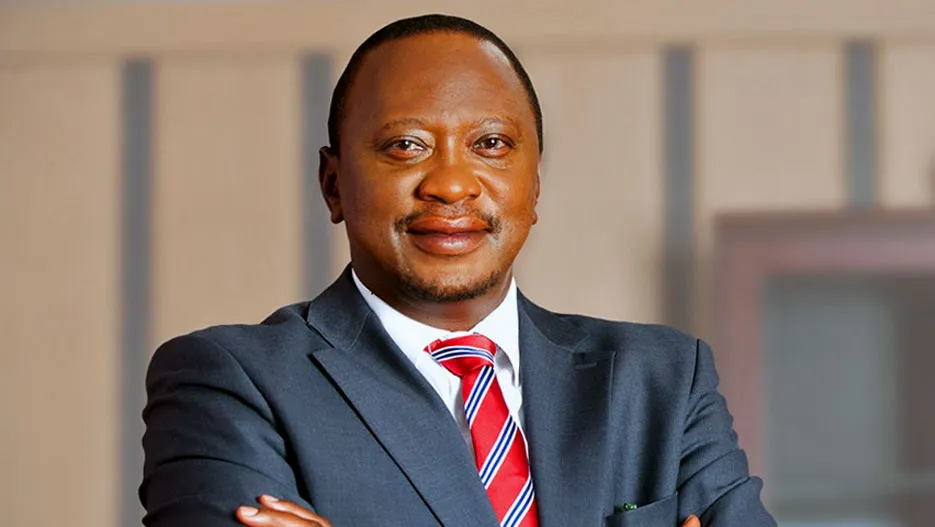
In the high-stakes theater of modern governance, the transition from active power to "retirement" is often viewed as a final curtain call. However, as the recent discourse surrounding former Kenyan President Uhuru Kenyatta suggests, the idea that a retired leader should simply vanish into the quietude of private life is not only impractical—it might be a disservice to the very humanity of our political systems.
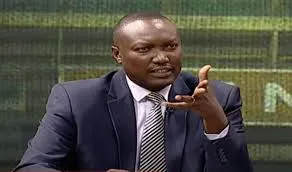
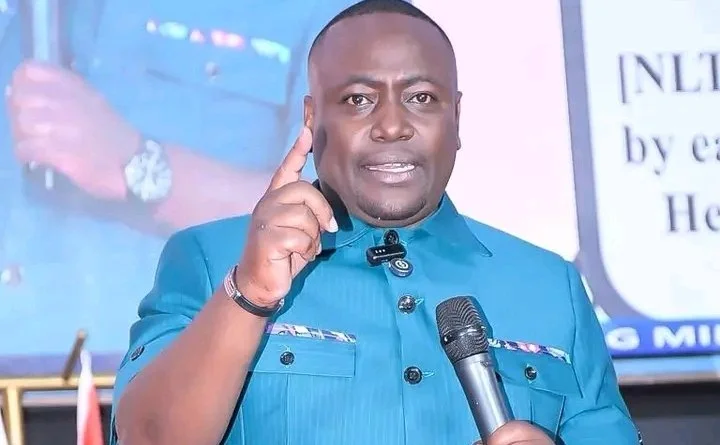
When economic analyst Ephraim Njega recently defended the political rights of retired leaders, he touched on a fundamental human truth: Leadership is a lived experience, not just a job title. To demand that an individual who has steered a nation's destiny suddenly strip themselves of their opinions, their influence, and their voice is to ask them to shed their basic human agency.
The Constitutional Right to a Voice
At the heart of this debate lies a simple, human-centric principle: Political rights are human rights. Every citizen, regardless of their former rank, is entitled to the freedoms of expression and association.
- Equal Protection: A retired president is, first and foremost, a citizen. Stripping a citizen of their right to engage in public discourse because of their past career sets a dangerous precedent for civil liberties.
- The Myth of "Neutrality": Expecting a former head of state to be entirely neutral is often a political demand disguised as a legal one. As Njega pointed out, the backlash against active retired leaders is frequently driven by current political rivalries rather than a genuine concern for constitutional boundaries.
The Value of Institutional Memory
From a human perspective, we should value the "Elder Statesman" role. In almost every human culture throughout history, those who have "been there" are looked to for counsel.
The world is increasingly complex. When a former leader speaks, they provide a perspective tempered by the weight of high-level decision-making—something very few people on Earth truly understand. By staying engaged, retired leaders can:
- Offer Historical Context: They can explain why certain paths were taken, preventing current administrations from repeating past mistakes.
- Act as Diplomats: Their established relationships with global peers can be leveraged for the national good, far beyond their term limits.
- Mentor the New Guard: A healthy democracy is one where the previous generation supports the growth of the next, rather than being exiled from the conversation.
A More Compassionate Political Culture
Politics is often a brutal, dehumanizing machine. We tend to view leaders as icons or targets, forgetting that they are people who have spent decades dedicated to public service.
If we create a culture where retirement means "silence," we discourage the best and brightest from seeking office. Who would want to serve their country if the reward is a lifetime of forced irrelevance? By supporting the right of retired leaders like Uhuru Kenyatta to participate in debates, we are advocating for a more inclusive and human-centric democracy.
"The backlash is driven more by politics than law or principle." — Ephraim Njega
Conclusion: Embracing the Full Spectrum of Citizenship
Ultimately, the goal of a thriving society should be to harness the energy and intellect of all its members. A retired leader who still cares about the direction of their country is not a threat; they are a sign of a vibrant, living democracy.
We should celebrate the fact that individuals who have reached the pinnacle of power still feel a human connection to the pulse of their nation. It is time we stop viewing political participation as a "term-limited" right and start seeing it as a lifelong contribution to the human story of progress.