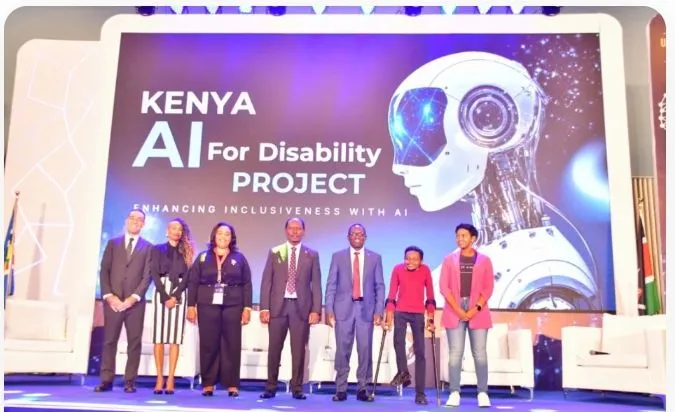
In a bold move towards inclusive innovation, the Ministry of Information, Communications and the Digital Economy (MoICDE) has partnered with leading disability experts and organizations to transform the way technology serves Persons with Disabilities (PWDs) in Kenya. This collaboration, involving the Kenya Institute of Special Education (KISE), inABLE, and AT4D Trust, is set to revolutionize access to technology, infrastructure, and innovation systems, ensuring that inclusivity is at the core of design, not an afterthought.
A Vision for Inclusive Innovation
Rooted in the principle of designing for accessibility from the outset, the initiative emphasizes the co-creation of technology that is truly usable by all. MoICDE has brought on board global tech giant Huawei and innovative local startups such as Qhala to spearhead the development of scalable hardware and software solutions tailored specifically for PWDs. This approach is transformative, shifting the narrative from merely adapting existing devices to intentionally designing tools that meet the diverse needs of users.
“The goal is to reimagine technology and equipment with accessibility features embedded from the beginning, rather than as add-ons,” explained a MoICDE spokesperson. “This initiative is about intentional design that truly serves all citizens, ensuring no one is left behind in Kenya’s digital transformation.”
Local Production for Maximum Impact
A key component of this initiative is the establishment of a state-of-the-art manufacturing plant at KISE headquarters. This facility will serve as a hub for local production and distribution of assistive devices, drastically reducing reliance on imports and lowering costs. By producing these devices locally, Kenya is not only ensuring affordability but also creating opportunities for local employment, innovation, and capacity building in the assistive technology sector.
This move also strengthens the country’s innovation ecosystem, providing local innovators with the tools and platforms they need to develop, test, and refine products that are relevant to the Kenyan context. The integration of local manufacturing and innovation ensures that assistive technologies are not just imported solutions but are rooted in the lived experiences of Kenyan PWDs.
Empowering Local Innovators through Technology
Software development and upgrades will be handled by local innovators, leveraging national assets such as the Kenya Zonal Authority (KZA) data centre and regional digital hubs. By tapping into these resources, the initiative aligns with the government’s AI strategy, fostering innovation that is inclusive and homegrown. Local developers will have the opportunity to design applications and interfaces that are both culturally relevant and universally accessible, creating digital solutions that resonate with users across Kenya and the broader African continent.
Moreover, harmonizing digital devices in design and functionality across countries ensures a seamless user experience for PWDs traveling within the region. A Kenyan PWD, for instance, will be able to travel to Malawi and access services using familiar interfaces, reducing learning barriers and enhancing independence.
Collaborative Partnerships for Sustainable Solutions
The project’s success hinges on collaboration between government institutions, private tech companies, and civil society organizations. With partners like Huawei bringing global expertise and Qhala contributing innovative local solutions, the initiative bridges the gap between international standards and local realities. Meanwhile, organizations such as inABLE and AT4D Trust provide critical insights into the daily challenges faced by PWDs, ensuring that technological solutions are both practical and empowering.
By combining policy guidance, technical expertise, and lived experience, Kenya is setting a model for inclusive technology development that other countries in the region can emulate.
Unlocking New Opportunities for PWDs
This initiative goes beyond accessibility—it’s about creating new opportunities for PWDs to fully participate in the digital economy. By embedding accessibility into technology design, the government is enabling PWDs to access education, healthcare, financial services, and employment opportunities more effectively. This initiative also aligns with Kenya’s broader digital transformation agenda, ensuring that inclusion is not a peripheral consideration but a central pillar of technological progress.
Digital devices equipped with accessibility features will empower PWDs to perform tasks that were previously challenging or impossible. Voice-assisted applications, customizable interfaces, and adaptive hardware are just a few examples of the transformative tools that will be developed under this initiative. These innovations will enhance independence, reduce barriers to participation, and create a more equitable society.
A Model for Regional Integration
One of the most forward-thinking aspects of the project is its emphasis on regional harmonization. By standardizing the design and functionality of digital devices across African countries, Kenya is fostering a more connected and accessible continent. This means that PWDs will benefit from continuity in technology use, whether they are accessing government services, educational platforms, or commercial applications in different countries.
“This is about creating a digital ecosystem where accessibility is universal,” said a KISE representative. “We want PWDs to travel, work, and learn without worrying about whether the technology will accommodate their needs.”
Looking Ahead
As Kenya continues to embrace innovation, this initiative marks a significant step towards a more inclusive digital economy. By prioritizing accessibility, fostering local innovation, and creating scalable solutions, the government is not only improving the quality of life for PWDs but also setting the stage for long-term economic growth and social inclusion.
Through strategic partnerships, local manufacturing, and harmonized digital solutions, Kenya is demonstrating that technology can be both cutting-edge and compassionate. The initiative is a blueprint for inclusive innovation, showing how governments, private sector players, and civil society can work together to create solutions that empower all citizens.
This initiative is more than just a technological upgrade; it is a societal shift. By embedding accessibility at the core of innovation, Kenya is ensuring that every citizen, regardless of ability, can participate fully in the digital age. It is a future where technology doesn’t just serve some—it serves all.
A Vision for Inclusive Innovation
Rooted in the principle of designing for accessibility from the outset, the initiative emphasizes the co-creation of technology that is truly usable by all. MoICDE has brought on board global tech giant Huawei and innovative local startups such as Qhala to spearhead the development of scalable hardware and software solutions tailored specifically for PWDs. This approach is transformative, shifting the narrative from merely adapting existing devices to intentionally designing tools that meet the diverse needs of users.
“The goal is to reimagine technology and equipment with accessibility features embedded from the beginning, rather than as add-ons,” explained a MoICDE spokesperson. “This initiative is about intentional design that truly serves all citizens, ensuring no one is left behind in Kenya’s digital transformation.”
Local Production for Maximum Impact
A key component of this initiative is the establishment of a state-of-the-art manufacturing plant at KISE headquarters. This facility will serve as a hub for local production and distribution of assistive devices, drastically reducing reliance on imports and lowering costs. By producing these devices locally, Kenya is not only ensuring affordability but also creating opportunities for local employment, innovation, and capacity building in the assistive technology sector.
This move also strengthens the country’s innovation ecosystem, providing local innovators with the tools and platforms they need to develop, test, and refine products that are relevant to the Kenyan context. The integration of local manufacturing and innovation ensures that assistive technologies are not just imported solutions but are rooted in the lived experiences of Kenyan PWDs.
Empowering Local Innovators through Technology
Software development and upgrades will be handled by local innovators, leveraging national assets such as the Kenya Zonal Authority (KZA) data centre and regional digital hubs. By tapping into these resources, the initiative aligns with the government’s AI strategy, fostering innovation that is inclusive and homegrown. Local developers will have the opportunity to design applications and interfaces that are both culturally relevant and universally accessible, creating digital solutions that resonate with users across Kenya and the broader African continent.
Moreover, harmonizing digital devices in design and functionality across countries ensures a seamless user experience for PWDs traveling within the region. A Kenyan PWD, for instance, will be able to travel to Malawi and access services using familiar interfaces, reducing learning barriers and enhancing independence.
Collaborative Partnerships for Sustainable Solutions
The project’s success hinges on collaboration between government institutions, private tech companies, and civil society organizations. With partners like Huawei bringing global expertise and Qhala contributing innovative local solutions, the initiative bridges the gap between international standards and local realities. Meanwhile, organizations such as inABLE and AT4D Trust provide critical insights into the daily challenges faced by PWDs, ensuring that technological solutions are both practical and empowering.
By combining policy guidance, technical expertise, and lived experience, Kenya is setting a model for inclusive technology development that other countries in the region can emulate.
Unlocking New Opportunities for PWDs
This initiative goes beyond accessibility—it’s about creating new opportunities for PWDs to fully participate in the digital economy. By embedding accessibility into technology design, the government is enabling PWDs to access education, healthcare, financial services, and employment opportunities more effectively. This initiative also aligns with Kenya’s broader digital transformation agenda, ensuring that inclusion is not a peripheral consideration but a central pillar of technological progress.
Digital devices equipped with accessibility features will empower PWDs to perform tasks that were previously challenging or impossible. Voice-assisted applications, customizable interfaces, and adaptive hardware are just a few examples of the transformative tools that will be developed under this initiative. These innovations will enhance independence, reduce barriers to participation, and create a more equitable society.
A Model for Regional Integration
One of the most forward-thinking aspects of the project is its emphasis on regional harmonization. By standardizing the design and functionality of digital devices across African countries, Kenya is fostering a more connected and accessible continent. This means that PWDs will benefit from continuity in technology use, whether they are accessing government services, educational platforms, or commercial applications in different countries.
“This is about creating a digital ecosystem where accessibility is universal,” said a KISE representative. “We want PWDs to travel, work, and learn without worrying about whether the technology will accommodate their needs.”
Looking Ahead
As Kenya continues to embrace innovation, this initiative marks a significant step towards a more inclusive digital economy. By prioritizing accessibility, fostering local innovation, and creating scalable solutions, the government is not only improving the quality of life for PWDs but also setting the stage for long-term economic growth and social inclusion.
Through strategic partnerships, local manufacturing, and harmonized digital solutions, Kenya is demonstrating that technology can be both cutting-edge and compassionate. The initiative is a blueprint for inclusive innovation, showing how governments, private sector players, and civil society can work together to create solutions that empower all citizens.
This initiative is more than just a technological upgrade; it is a societal shift. By embedding accessibility at the core of innovation, Kenya is ensuring that every citizen, regardless of ability, can participate fully in the digital age. It is a future where technology doesn’t just serve some—it serves all.