The Church has long been described as the "Body of Christ"—a living, breathing organism designed to offer sanctuary to the weary and hope to the hopeless. It is one of the few remaining spaces in modern society where people from all walks of life might sit in the same pew, bow their heads in the same prayer, and be viewed as equals under a divine lens.
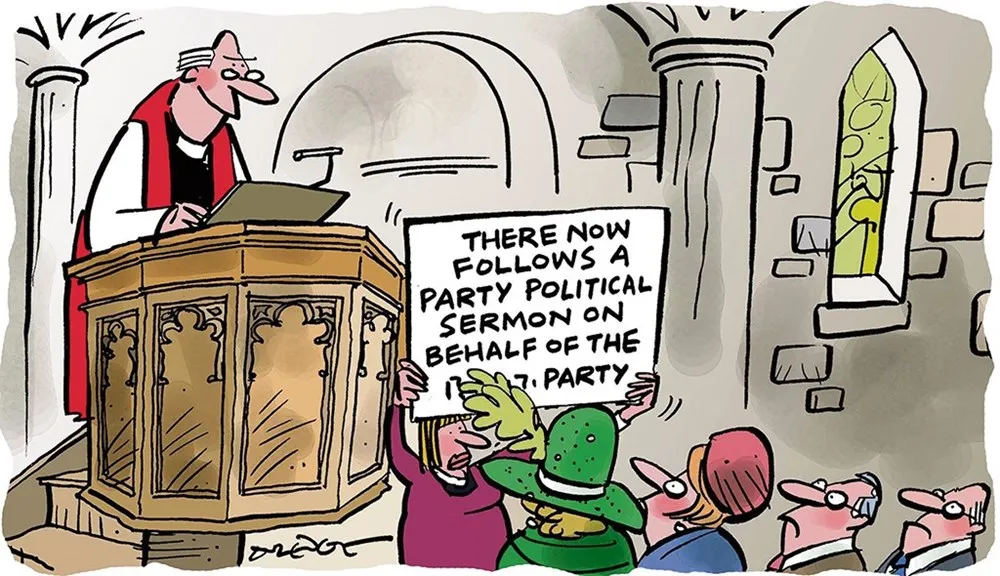
However, when the rhythmic cadence of a sermon is interrupted by the sharp, divisive rhetoric of a campaign trail, that sanctuary is compromised. While faith and governance have danced together throughout history, the intrusion of raw, partisan politics into the sanctuary carries risks that can fracture the very foundation of a community.
The Dilution of the Sacred Purpose
The primary mission of the Church is spiritual nourishment. People enter its doors carrying heavy burdens—unseen weights of grief, financial ruin, or fractured relationships. They come seeking a Word that transcends the temporal anxieties of the world.
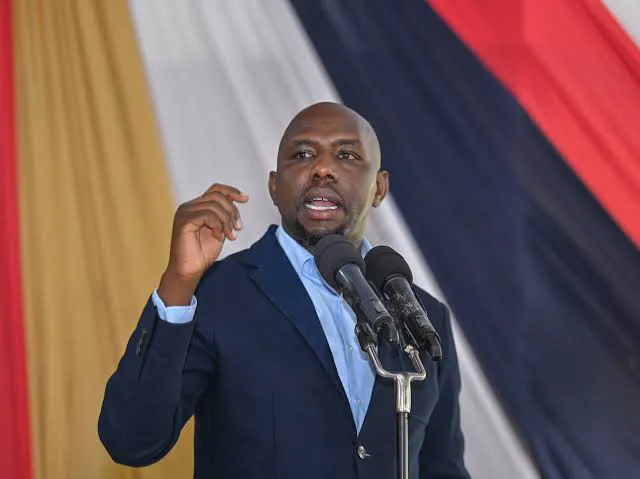
When a politician stands behind a pulpit to settle scores or trade insults, the "Bread of Life" is replaced by the "Stone of Contention." The Church ceases to be a hospital for the soul and instead becomes just another stop on a tour of influence. This shift strips the environment of its peace, leaving worshippers feeling as though they’ve attended a rally in Sunday clothes rather than a divine encounter.
The Great Divider: Fracturing the Congregation
Politics, by its very nature, is about drawing lines. It thrives on "us versus them," win versus loss, and policy versus opposition. The Church, conversely, is built on the theology of unity—one faith, one hope, and one purpose.
When political agendas are preached from the altar, families who have prayed together for decades can find themselves sitting on opposite sides of an invisible political fence. Members who hold differing political views may feel alienated or judged, leading them to withdraw from the community entirely. Furthermore, newcomers seeking spiritual guidance may be turned away if they feel they must pass a political "litmus test" to belong.
The Erosion of Moral Authority
There is an old saying that when the Church hitches its wagon to a political horse, it goes wherever the horse goes. When religious leaders allow their platforms to be used for partisan gain, they risk losing their role as the moral conscience of society.
If the Church becomes an echo chamber for a specific party, it loses the ability to speak truth to power. Its voice is no longer seen as a divine mandate but as a calculated endorsement. Over time, this erodes public trust, making the Church appear as just another interest group rather than a pillar of objective moral truth.
The Danger of Indecent Language
The pulpit is traditionally a place of grace-seasoned speech. However, the modern political climate is often characterized by vitriol and harshness. When indecent language or personal attacks enter the sanctuary, it desecrates the space. It sets a precedent that the house of God is a place where one can vent anger rather than cultivate qualities like patience and kindness.
A Path Forward: Respectful Engagement
This is not to say that leaders and politicians should be barred from the Church. On the contrary, faith should inform leadership. However, the method of engagement matters. A leader should come to Church to be a sheep, not the shepherd. There is great power in a leader sitting quietly in the pews, seeking the same grace as everyone else.
If a leader is invited to speak, the focus should remain on gratitude, community welfare, and calls for peace, rather than campaigning or attacking rivals. Supporting the Church’s charitable works—feeding the hungry or educating the youth—is a far more spiritual political act than delivering a stump speech.
The Verdict
The Church must remain a "thin place"—a spot where the gap between heaven and earth feels smaller. By keeping the noise of the campaign trail outside the doors, we protect the sanctity of the altar.
Protecting the Church from politicization isn't just about preserving a building; it's about preserving the human heart’s need for a place that is untainted by the divisions of the world. As the world becomes increasingly polarized, the Church’s greatest gift to the public is its ability to remain a neutral ground of love, dignity, and radical unity.