For decades, the rhythmic chaos of Gikomba Market has been the heartbeat of Nairobi’s informal economy. It is a place where fortunes are made in bales of second-hand clothes and where the air is a permanent mix of roasting maize and grit. But today, that heartbeat is erratic.
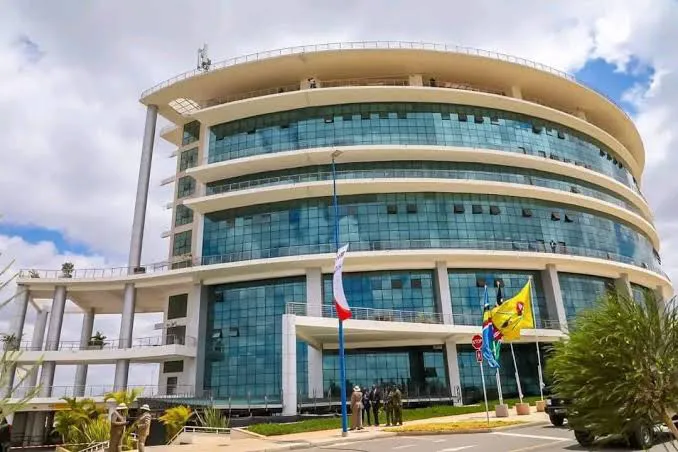
Following a massive government crackdown on structures built on riparian land along the Nairobi River, thousands of traders have been moved into a gleaming new multi-story complex. On paper, it looks like a victory for urban planning. On the ground, however, the traders are calling it a "financial cage."
A Modern Facade, A Bleak Reality
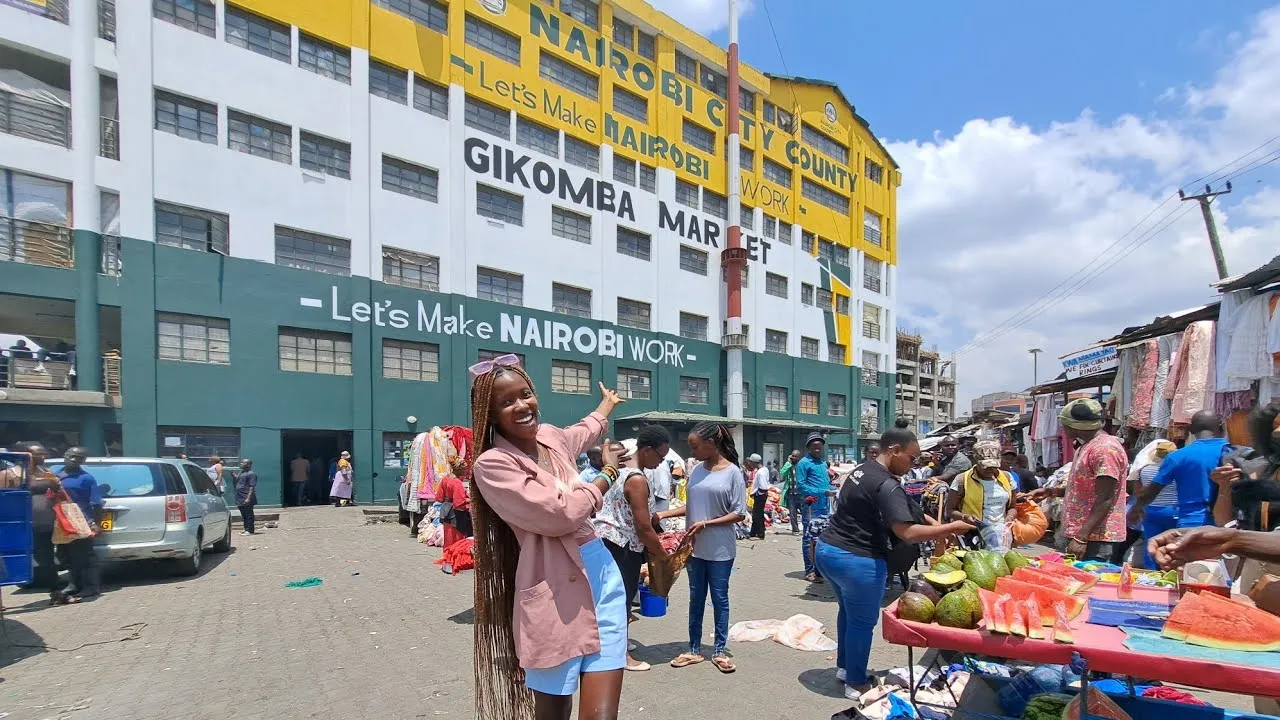
The new Gikomba Market building, emblazoned with the slogan "Let’s Make Nairobi Work," was intended to be a beacon of formalization. Gone are the mud paths and the constant threat of seasonal floods. In their place are designated stalls, concrete floors, and better security.
But for the traders currently crying out for intervention, the price of "working" has become unbearable. They aren't just fighting for space; they are fighting for survival against a wall of new, steep charges that many claim are eating through their daily profits before they even sell a single shirt.
The Breakdown of the Struggle
The tension isn't just about moving; it’s about the economic shock of transitioning from the informal riverbanks to a regulated government facility.
- The Rent Trap: In the old, informal sections, overhead was minimal. In the new facility, standardized fees for stalls are being described as "extortionate" by those who live hand-to-mouth.
- The Displacement Gap: Of the many thousands displaced by the Nairobi River reclamation project, only a fraction have managed to secure or afford space in the new stalls. This leaves several entrepreneurs in a state of commercial limbo, wandering the streets or crammed into overflowing side-alleys.
- Accessibility vs. Aesthetic: While the building looks professional, traders argue that the vertical nature of the stalls makes it harder for traditional "walk-in" customers to find them compared to the sprawling, accessible layout of the old market.
"We Are Choking"
"They told us we were being moved for our own safety because of the river," says one trader, gesturing to the towering concrete walls of the new market. "But what is safety if I cannot afford to feed my children? The fees here are designed for big businesses, not for people selling small wares."
The sentiment across the market floor is one of betrayal. Many feel that the "Let's Make Nairobi Work" mantra only applies to those who can afford the entry fee, effectively gentrifying one of the last bastions of the working-class hustle.
What Lies Ahead?
The situation at Gikomba is a microcosm of a larger struggle across Nairobi. As the city pushes for modernization and environmental restoration, the human cost is often forgotten in the blueprints.
The Nairobi City County government now faces a critical choice:
- Subsidize the costs to ensure the displaced traders can actually inhabit the space built for them.
- Risk a total collapse of the Gikomba ecosystem as traders are forced back into illegal spaces just to avoid the "unbearable" costs of the new era.
For now, the traders of Gikomba continue to work under the shadow of the new building, hoping that the authorities will realize that a market isn't made of concrete and slogans—it’s made of the people who can afford to stand inside it.
The Bottom Line: Progress is only progress if it includes the people who built the city from the ground up. Gikomba is crying out; is Nairobi listening?