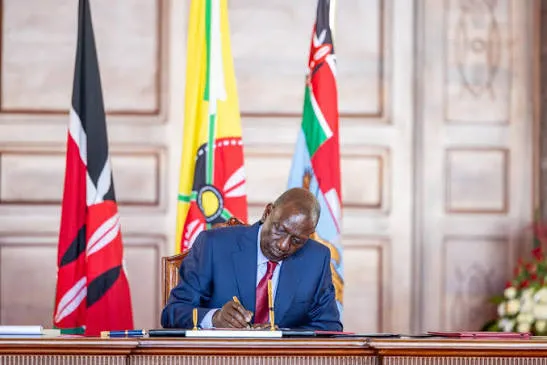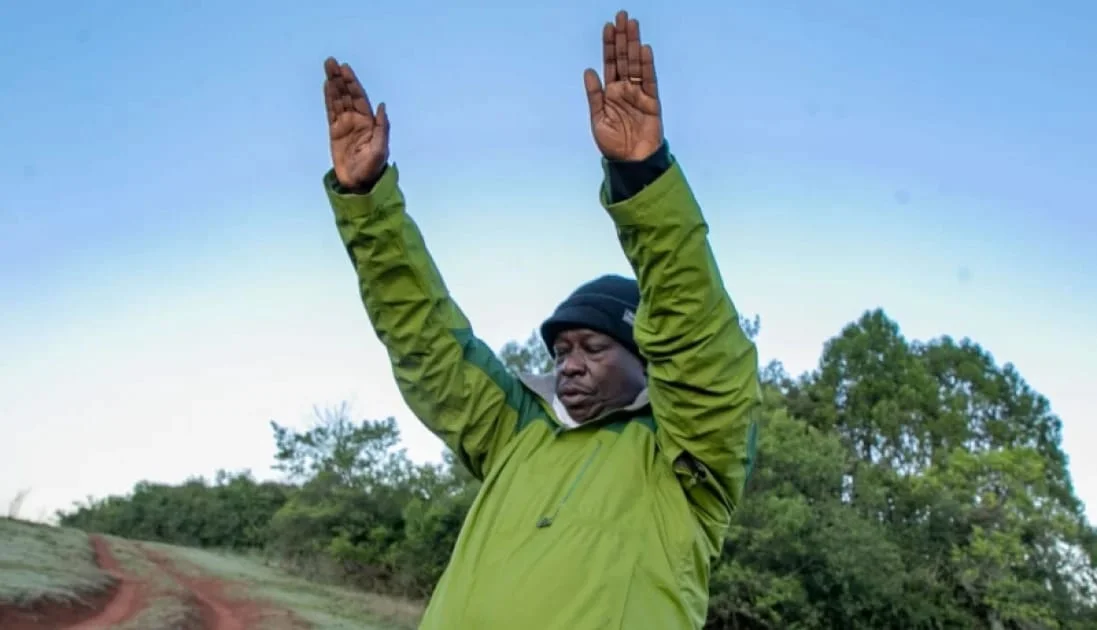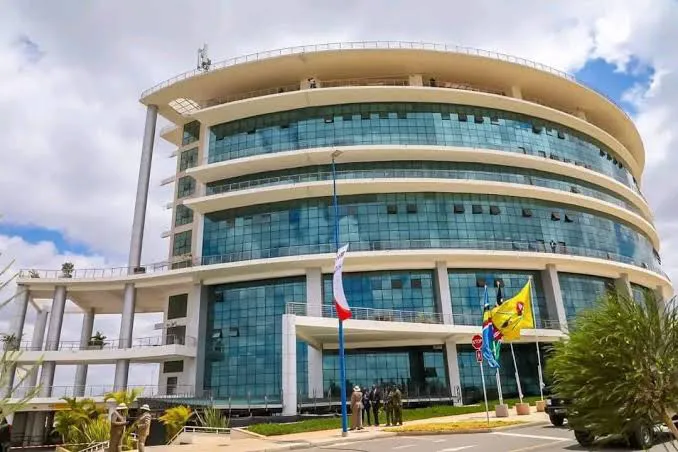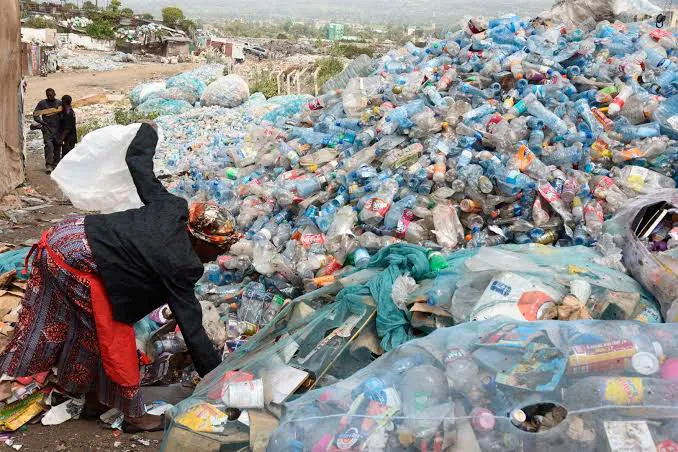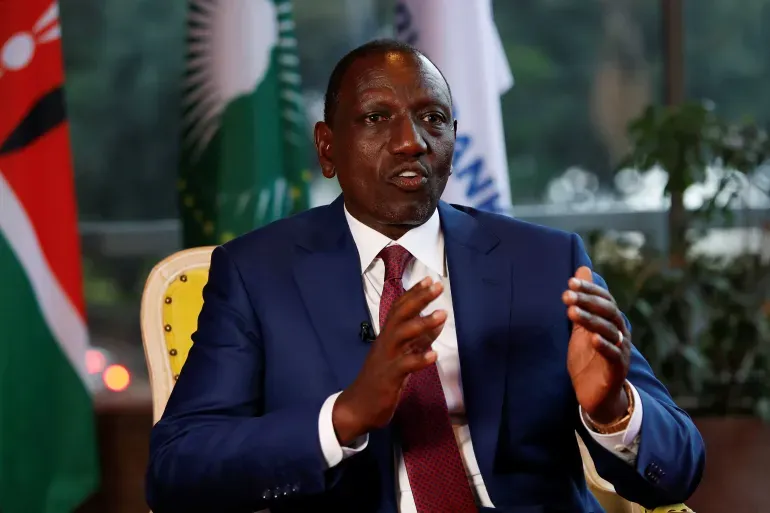
The Kenyan sun felt a little warmer this Labor Day, and it wasn’t just the equatorial heat. As President William Ruto took the stage for the 2026 celebrations, the air was thick with the usual anticipation of a national holiday, but the announcement that followed sent a literal ripple through the crowd and a figurative one across the nation’s economy.
With a definitive directive, the President ordered a 12% increase in the national minimum wage, with an even more aggressive 15% bump tailored specifically for agricultural workers. For the millions of Kenyans who keep the country’s heartbeat steady—from the factory floors in Nairobi to the sprawling tea plantations of Kericho—this wasn’t just a policy update; it was a lifeline.
More Than Just Numbers
In the world of economics, 12% is a statistic. In the reality of a Kenyan household, it’s the difference between kerosene and electricity, or the ability to keep a child in school through the final term.
The decision to give agricultural workers a higher 15% increase is particularly poignant. These are the men and women who form the backbone of the "Bottom-Up" economic agenda. By prioritizing the people who put food on the nation's table, the government is making a loud statement: the hands that till the earth deserve the first fruits of the harvest.
The "Hustler" Reality
Let’s be honest—life hasn’t been a walk in the park lately. With global inflation and the rising cost of living, the "Hustler Nation" has been feeling the squeeze. This "Labour Day Gift" feels like a calculated move to inject some breathing room into the pockets of the common mwananchi.
- For the urban worker: The 12% increase helps offset the rising costs of transport and rent.
- For the farmer: The 15% recognizes the physical toll and the vital importance of food security in 2026.
The Balancing Act
Of course, an announcement this big doesn't come without a bit of debate. While workers are celebrating, small business owners and manufacturers are likely reaching for their calculators. The challenge now lies in implementation—ensuring that this pay raise translates into actual bank accounts without causing a spike in the prices of basic goods. It’s a delicate dance between fair pay and economic stability.
"A nation is only as strong as its workers. When the person at the bottom moves up, the whole country rises."
A New Chapter?
As the dust settles on the 2026 Labor Day festivities, the conversation is shifting from "what was said" to "what happens next." This wage hike is a bold bet on the Kenyan people. It’s a gesture of faith that higher wages will lead to higher productivity and, eventually, a more robust economy for everyone.
For today, however, the mood remains one of cautious optimism. In the kiosks and on the buses, the talk isn't about GDP or fiscal policy—it's about a little extra at the end of the month, a little less worry, and a lot more dignity for the Kenyan worker.
The message is clear: The sweat of the worker is finally being valued in Shillings and Cents.