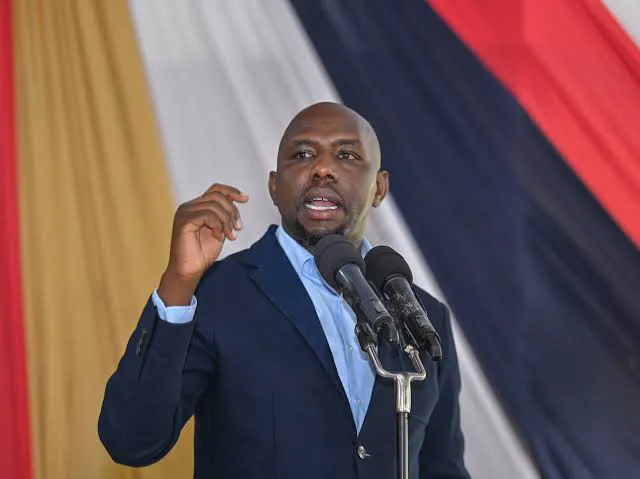
President has been forced to clarify Kenya’s position on a proposed oil refinery in Tanzania after publicly said she was not aware of the plan.
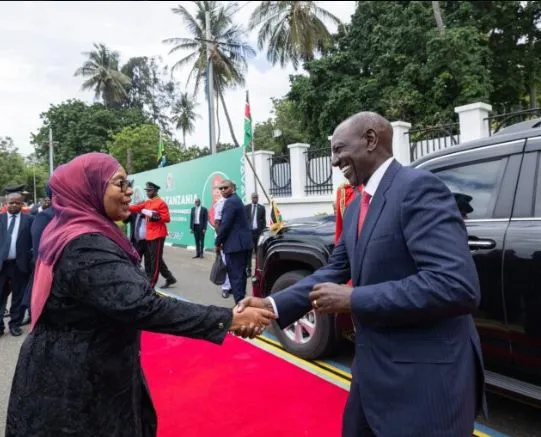
The diplomatic hiccup unfolded in Dar es Salaam when Suluhu openly questioned Ruto’s earlier remarks announcing the refinery would be built in Tanga.
“I asked him why he announced a refinery in Tanga without my knowledge,” Suluhu said, in a rare public show of disagreement between the two leaders.
“I asked him why he announced a refinery in Tanga without my knowledge,” Suluhu said, in a rare public show of disagreement between the two leaders.
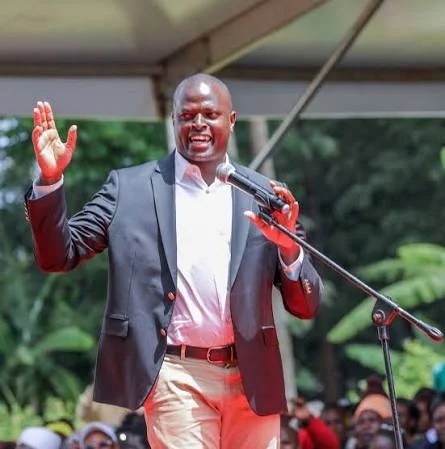
Ruto quickly walked back the impression that the project had been settled, admitting the announcement had caused concern.
“If I had known it would bring this reaction, I would have said the refinery be built in Mombasa,” Ruto said, drawing laughter but underscoring the misstep.
“If I had known it would bring this reaction, I would have said the refinery be built in Mombasa,” Ruto said, drawing laughter but underscoring the misstep.
Regional project, not Kenya’s call
Ruto insisted the refinery is not a unilateral Kenyan project, but part of broader regional talks involving East African countries seeking to process crude locally instead of exporting it raw.
“It is not a Kenyan decision. It is a regional initiative,” he said.
Ruto insisted the refinery is not a unilateral Kenyan project, but part of broader regional talks involving East African countries seeking to process crude locally instead of exporting it raw.
“It is not a Kenyan decision. It is a regional initiative,” he said.
The proposal is tied to ongoing efforts within the to boost industrialisation and reduce dependence on imported fuel.
Why Tanga matters
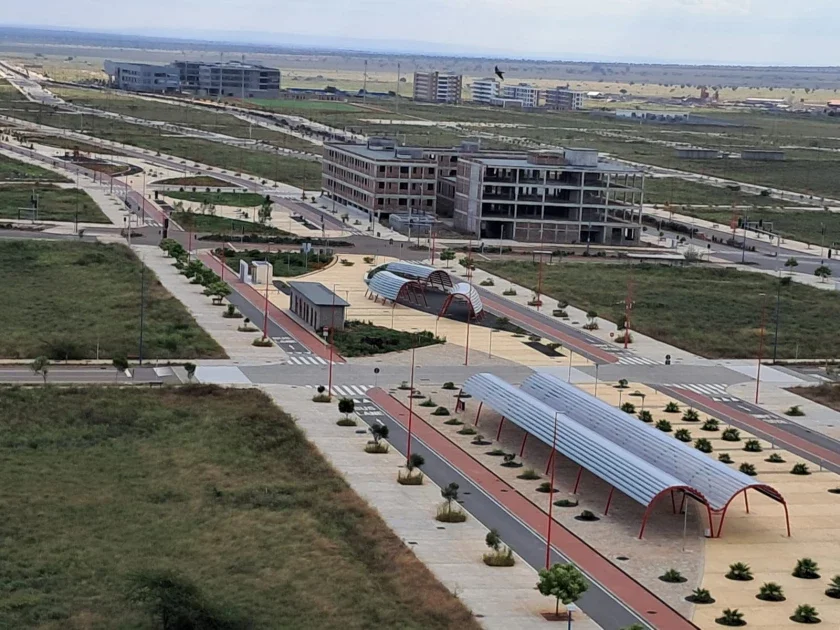
Tanga has been floated as a potential site due to its proximity to Kenya’s coast and its position within emerging regional oil transport networks.
A refinery there would serve multiple countries, including Uganda and South Sudan, and could reshape fuel supply chains across East Africa.
Coordination gaps exposed
Suluhu’s remarks, however, exposed cracks in regional coordination, raising questions about how far discussions had progressed before being made public.
Analysts say the exchange underscores the sensitivity of cross-border mega projects, where political alignment is as critical as economic viability.
What next
Despite the public friction, both leaders signaled willingness to continue consultations, with Ruto emphasizing the refinery remains a shared opportunity for regional growth.
The incident now shifts focus to whether East African states can align quickly enough to turn the idea into a concrete project—or risk it stalling at the political stage.