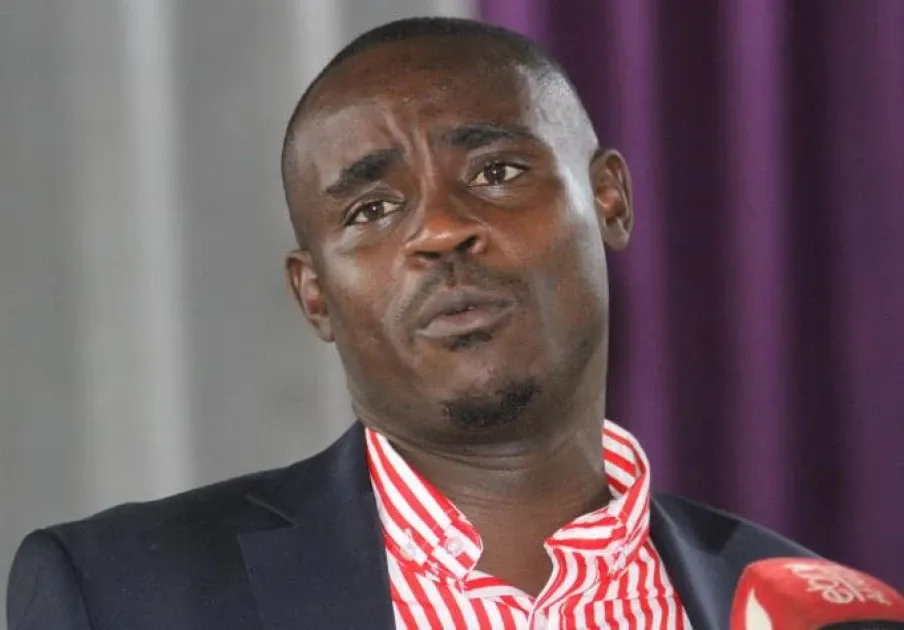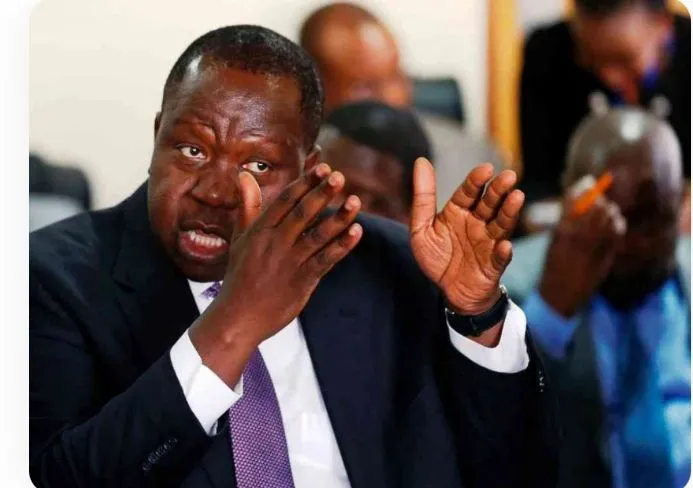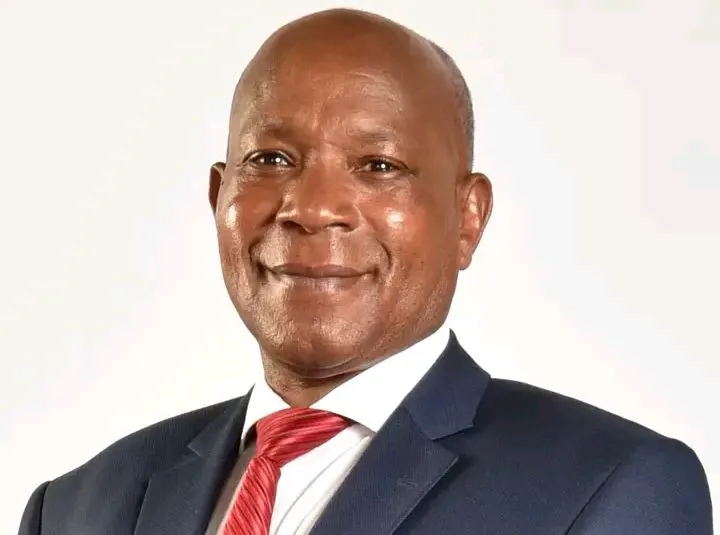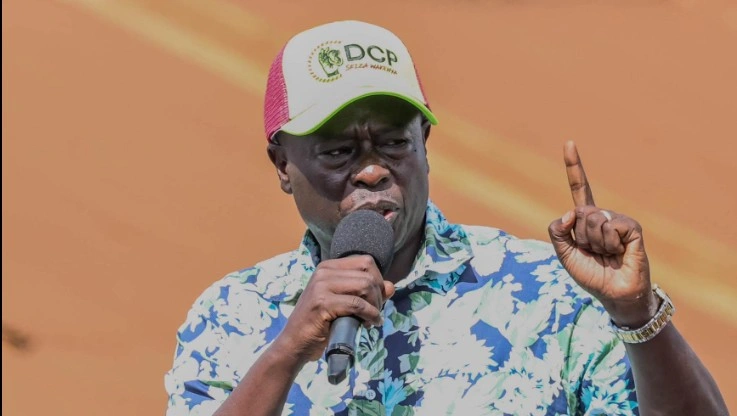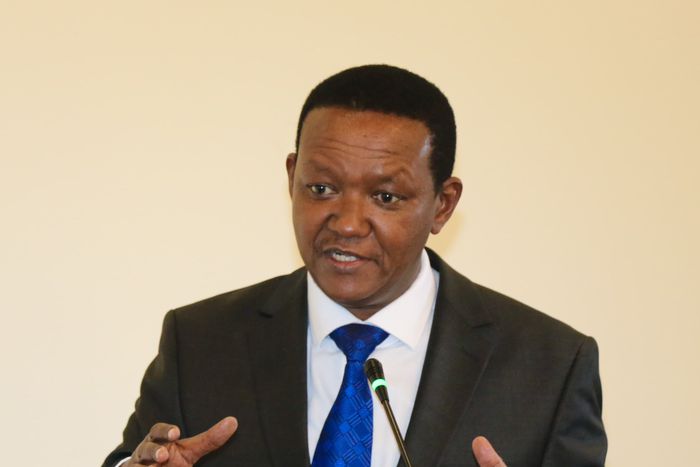
Alfred Nganga Mutua is one of Kenya’s most dynamic and influential political figures of the 21st century. His journey from media and communication expert to county governor and national cabinet minister reflects not only his personal ambition but also the evolving nature of Kenyan politics. Over the years, Mutua has demonstrated a rare blend of strategic communication, development-focused governance, and political pragmatism that has kept him relevant across different political epochs in Kenya.
Born on 22 August 1970 in Masii, Machakos County, Mutua’s early life was rooted in the rural heartlands of Eastern Kenya. From a young age, he displayed ambition and a keen sense of purpose, qualities that would define his later political trajectory. His early education in local schools laid a foundation for his eventual journey abroad, where he would acquire the skills and knowledge that shaped his political style.
Education and Early Professional Life
Mutua’s educational journey is notable for its international scope. He holds a Bachelor’s degree in Journalism from Whitworth College in the United States, a Master’s degree in Communication from Eastern Washington University, and a PhD in Communication and Media from the University of Western Sydney, Australia. These academic credentials equipped him with a deep understanding of public communication, media strategy, and policy advocacy — tools that would later become central to his political success.
Before entering politics, Mutua built a multifaceted career in media and communications. He worked as a journalist, media producer, and communication strategist, producing content that spanned television, print, and online media. One of his most notable contributions was the action-packed television series Cobra Squad, which gained popularity across Kenya and East Africa. His media career not only enhanced his profile but also honed his skills in narrative-building and public engagement — critical assets for any politician.
Government Spokesman:
Establishing a National Presence
Mutua first stepped into the national political arena in 2003, when he was appointed Kenya’s first official Government Spokesman. This newly created position tasked him with shaping the public communication strategies of the Kenyan government. During his tenure, which lasted until 2012, he became a recognizable national figure, adept at translating complex government policies into messages that the public could understand.
One of Mutua’s most visible initiatives was the Najivunia Kuwa Mkenya (“Proud to Be Kenyan”) campaign, designed to foster national pride and civic engagement. He also championed urban development projects, such as Nairobi’s beautification and street-naming programs, which became symbolic of his hands-on approach to public communication and policy visibility. His tenure as Government Spokesman showcased his ability to manage high-pressure political communications and build a personal brand intertwined with national identity.
Governor of Machakos County:
Leadership and Development
Mutua’s most transformative political role came in 2013, when he successfully contested the newly established position of Governor of Machakos County, following the creation of devolved governments under Kenya’s 2010 Constitution. Running initially under the Wiper Democratic Movement, he leveraged his national profile and media expertise to win the support of Machakos residents.
As governor, Mutua pursued a development-oriented agenda that prioritized infrastructure, healthcare, agriculture, and water access. Under his leadership, Machakos County experienced significant improvements in road networks, water distribution systems, and health facilities. His administration also innovated in urban planning, creating modern public spaces and markets that boosted local economic activity.
In 2016, Mutua founded the Maendeleo Chap Chap (MCC) Party, a political vehicle aimed at promoting action-oriented governance over traditional party politics. The party gained traction, winning several parliamentary and county assembly seats and cementing Mutua’s influence as a regional powerbroker. He was re-elected as governor in 2017 under the MCC banner, demonstrating that his popularity transcended party lines.
A defining feature of Mutua’s governance was his embrace of lifestyle audits for public officials, a move designed to promote transparency and curb corruption. This measure was widely praised for its boldness, though it also drew criticism from political rivals who viewed it as politically motivated. Mutua’s tenure was not without challenges: he faced an impeachment attempt in his first term, highlighting the political tensions that often accompany devolved governance.
National Ambitions and the Presidential Bid
Mutua’s vision extended beyond Machakos. In September 2020, he declared his intention to contest the 2022 presidential election, positioning himself as a candidate focused on economic empowerment, job creation, and anti-corruption reforms. His campaign emphasized a merit-based, action-oriented approach to leadership, seeking to appeal to a generation of Kenyans frustrated with ethnic-based politics and systemic inefficiencies.
Although Mutua eventually withdrew from the presidential race in 2022, he strategically aligned with William Ruto, contributing to Ruto’s successful campaign. This move demonstrated his political pragmatism, ensuring that he remained a key player in national politics while securing cabinet appointments in the incoming government.
Cabinet Roles: Influence on National Policy
Following the 2022 elections, Mutua was appointed Cabinet Secretary for Foreign & Diaspora Affairs, a position that leveraged his communication skills and international exposure. His responsibilities included managing Kenya’s diplomatic engagements and fostering relationships with the diaspora community. In 2024, he was appointed Cabinet Secretary for Labour and Social Protection, expanding his influence into labour policy, employment creation, and social welfare programs.
Mutua’s cabinet roles highlight his versatility as a politician capable of navigating both local and national governance challenges. His policies have aimed to balance economic growth, social protection, and strategic communication — reflecting a leadership style that integrates pragmatism with long-term vision.
Controversies and Public Perception
Despite his accomplishments, Mutua’s career has been punctuated by controversies. Critics have questioned his public statements, personal wealth, and political alliances, suggesting that his approach is at times elitist or disconnected from ordinary citizens. His wealth disclosures, for instance, sparked debate over transparency and accountability in public office.
Mutua has also been vocal in critiquing rival political figures, particularly within Eastern Kenya, accusing them of perpetuating political strategies that hinder development. While these statements have attracted criticism, they have also reinforced his image as a leader unafraid to challenge the status quo.
Social media has played a significant role in shaping public perception of Mutua. While he commands a strong following for his achievements and charisma, he also faces satire, criticism, and scrutiny — a duality that reflects the challenges of modern political leadership in Kenya.
Legacy and the Future
Alfred Mutua’s political journey — from media professional to government spokesman, county governor, and national cabinet minister — exemplifies the evolving nature of Kenyan leadership. His career highlights the importance of communication, innovation, and strategic alliances in modern politics.
Mutua’s legacy is likely to be defined by his contributions to devolution, public service transparency, infrastructure development, and youth empowerment, as well as his role in shaping national discourse around merit-based leadership and political reform. As Kenya approaches future elections, Mutua remains a key figure whose decisions and leadership style will continue to influence both regional and national politics.
In a landscape often dominated by ethnic affiliations and entrenched political loyalties, Alfred Mutua represents a different model of leadership — one that prioritizes action, communication, and development, while navigating the complex realities of modern Kenyan politics.