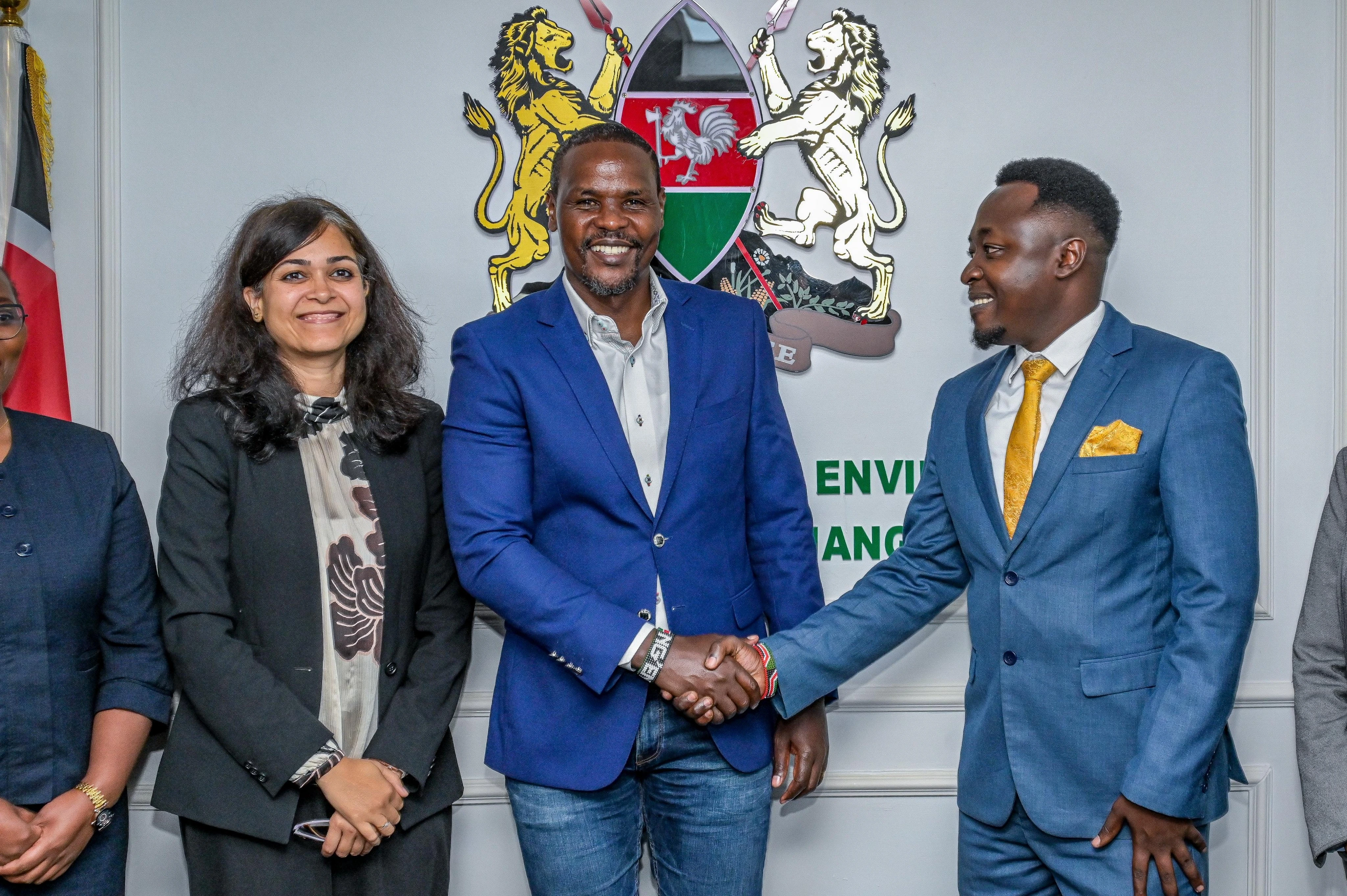
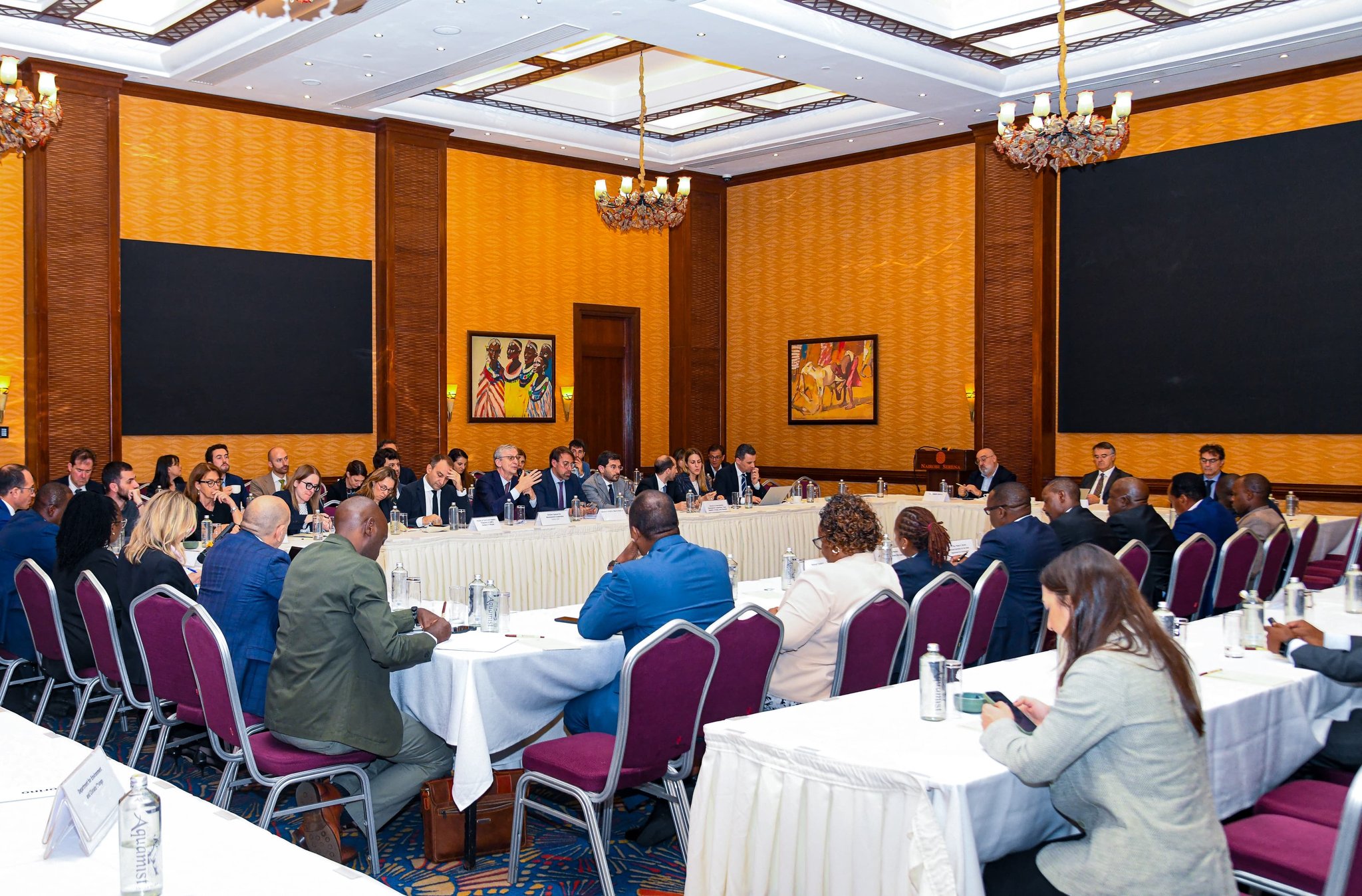
The discussions, led by Environment and Climate Change Principal Secretary Festus Ng’eno, centered on advancing the Green Cities in Action for Africa programme as a vehicle for sustainable urban development and climate financing.
“Kenya is keen on practical, results-driven collaboration that delivers measurable impact in addressing our climate and environmental challenges,” said Dr. Ng’eno.
“Kenya is keen on practical, results-driven collaboration that delivers measurable impact in addressing our climate and environmental challenges,” said Dr. Ng’eno.
The Italian delegation, headed by Stefano Gatti, signaled a shift from traditional donor support to deeper execution partnerships, emphasizing the need for clearly defined roles and institutional capacity.
“Italy is ready to go beyond financing and actively engage in implementation. Effective collaboration will depend on clearly defining areas of intervention,” Gatti stated.
“Italy is ready to go beyond financing and actively engage in implementation. Effective collaboration will depend on clearly defining areas of intervention,” Gatti stated.
The talks highlighted emerging opportunities under Article 6 of global carbon markets, with waste management and clean energy identified as key entry points for scalable investments and carbon credit generation.
Kenya also outlined urgent environmental risks with direct economic implications, including degradation of the Mau Forest Complex and rising water levels in Lake Baringo, Lake Nakuru, Lake Turkana, and Lake Naivasha—issues that threaten agriculture, tourism, and infrastructure.
At the county level, leaders pointed to immediate investment opportunities tied to urban resilience and service delivery. Nairobi Deputy Governor James Muchiri underscored the economic value of integrated urban planning.
“Catchment areas such as Kajiado are critical in supporting urban populations. This programme can unlock value through river restoration, improved waste management, and environmental regeneration,” he said.
“Catchment areas such as Kajiado are critical in supporting urban populations. This programme can unlock value through river restoration, improved waste management, and environmental regeneration,” he said.
Kisumu Deputy Governor Matthew Ochieng described solid waste management as an emerging crisis but also a potential investment frontier.
“We have already identified priority intervention areas and are now focused on implementation,” he noted.
“We have already identified priority intervention areas and are now focused on implementation,” he noted.
The meeting concluded with a commitment to develop a concrete, investor-ready action plan aimed at delivering bankable projects, positioning the Green Cities initiative as a key driver of Kenya’s transition to a low-carbon, climate-resilient economy.