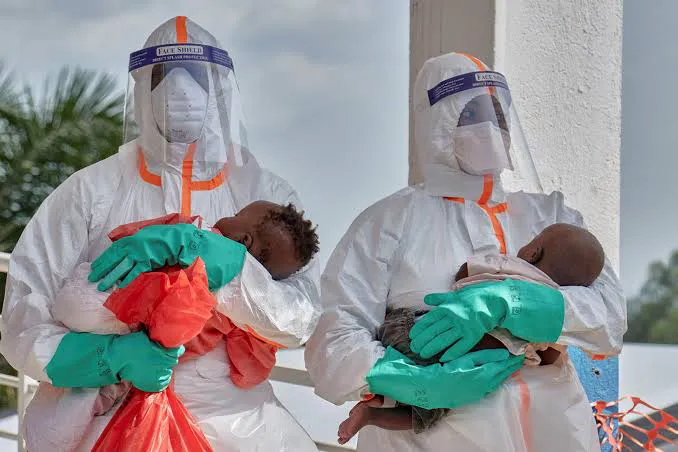
The (WHO) has prequalified the first-ever malaria treatment specifically designed for newborns and young infants weighing between 2 and 5 kilograms, marking a major milestone in closing a long-standing gap in pediatric care.
For years, treating malaria in newborns has remained a challenge due to the absence of medicines tailored to their fragile physiology. Most existing treatments were developed for older children, leaving clinicians to rely on adjusted doses that were not specifically tested for very young infants.
Announcing the breakthrough, WHO emphasized the significance of the development in protecting one of the most vulnerable populations. “This is a critical step forward in ensuring that all patients, regardless of age or weight, have access to safe and effective malaria treatment,” the organization said in a statement.
The prequalification status confirms that the medicine meets strict international standards for quality, safety, and efficacy. It also paves the way for wider procurement and distribution by governments, donors, and global health agencies, particularly in malaria-endemic regions such as sub-Saharan Africa.
Health experts say the new formulation could significantly improve survival rates among newborns. “Until now, there has been a clear treatment gap for infants under five kilograms. Having a medicine specifically developed for them is a game-changer,” a pediatric infectious disease specialist noted.
WHO added that expanding access to quality-assured medicines is central to reducing malaria-related deaths. “Prequalification helps countries and partners confidently procure medicines that meet global standards, ultimately saving lives,” the agency stated.
In addition to the new treatment, WHO also announced the inclusion of new malaria diagnostic tools in its prequalification programme, aimed at strengthening early detection and timely treatment.
The move is expected to enhance global malaria response efforts and ensure that even the youngest patients receive appropriate, life-saving care.