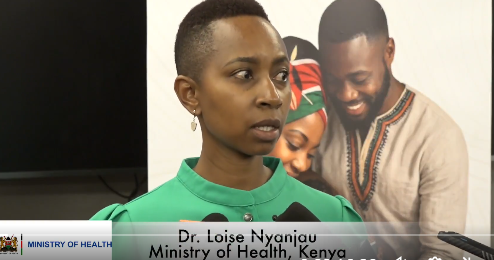
Dr. Loise Nyanjau, Lead for Maternal Health at the Ministry of Health, has shed light on the persistent challenges that continue to place mothers at risk during pregnancy and childbirth, highlighting the widely recognized Three Delays Model as a critical framework for understanding maternal deaths.
Speaking ahead of the upcoming International Maternal, Newborn and Child Health (IMNHC) 2026 conference, she emphasized that despite progress in healthcare systems, gaps still exist at multiple stages of care.
Speaking ahead of the upcoming International Maternal, Newborn and Child Health (IMNHC) 2026 conference, she emphasized that despite progress in healthcare systems, gaps still exist at multiple stages of care.
“The first delay,” she explained, “occurs at the household level the delay in making the decision to seek care. This can be influenced by lack of awareness, cultural beliefs, financial constraints, or even the absence of decision-making power among women.”
In many communities, especially in rural and underserved areas, expectant mothers may not recognize danger signs early enough, or they may rely on traditional birth practices that delay timely medical intervention.
In many communities, especially in rural and underserved areas, expectant mothers may not recognize danger signs early enough, or they may rely on traditional birth practices that delay timely medical intervention.
Dr. Nyanjau noted that the second delay arises after the decision to seek care has been made.
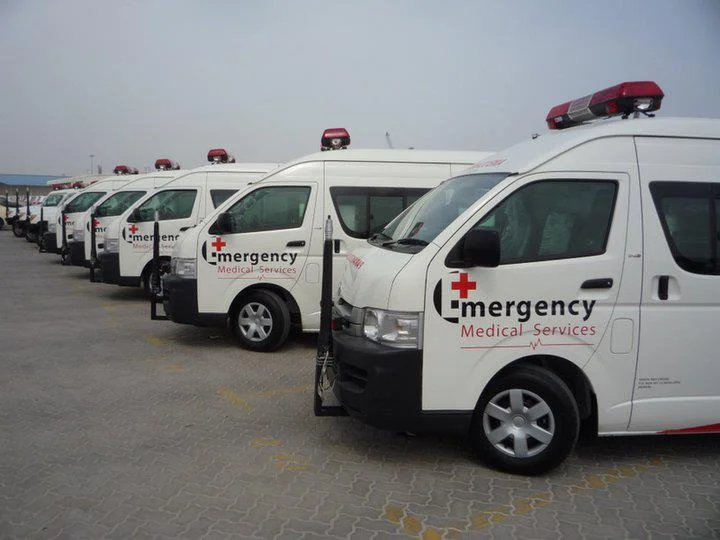
“This is the delay between deciding to go to a health facility and actually arriving there,” she said. Factors such as long distances to health centers, poor road infrastructure, lack of transportation, and high travel costs can significantly hinder access. In emergency situations, even a few hours can mean the difference between life and death.
“This is the delay between deciding to go to a health facility and actually arriving there,” she said. Factors such as long distances to health centers, poor road infrastructure, lack of transportation, and high travel costs can significantly hinder access. In emergency situations, even a few hours can mean the difference between life and death.
The third delay, she added, occurs within the health facility itself.
“This is what happens when a woman finally arrives at the hospital but does not receive timely or adequate care.” Challenges here may include shortages of skilled health workers, limited medical supplies, overcrowding, or delays in diagnosis and treatment. In some cases, systemic inefficiencies or gaps in emergency preparedness can further complicate care delivery.
“This is what happens when a woman finally arrives at the hospital but does not receive timely or adequate care.” Challenges here may include shortages of skilled health workers, limited medical supplies, overcrowding, or delays in diagnosis and treatment. In some cases, systemic inefficiencies or gaps in emergency preparedness can further complicate care delivery.
The Three Delays Model has long been used globally to analyze maternal mortality, but Dr. Nyanjau emphasized that addressing these delays requires a holistic approach. “It’s not just about building more hospitals,” she said. “We must strengthen community awareness, improve referral systems, invest in transport infrastructure, and ensure that our health facilities are fully equipped and staffed to handle emergencies.”
Kenya, like many other countries, has made notable strides in reducing maternal mortality over the years, yet the numbers remain a concern. According to recent health reports, preventable causes such as hemorrhage, infection, high blood pressure during pregnancy, and unsafe abortions continue to contribute to maternal deaths many of which could be avoided with timely intervention.
Experts argue that empowering women with education and decision-making autonomy is a key step in reducing the first delay. Community health volunteers also play a crucial role in bridging the gap between households and health facilities by providing information, tracking pregnancies, and encouraging antenatal care visits.
On the infrastructure side, initiatives such as ambulance services, maternity waiting homes, and mobile clinics are helping to reduce the second delay, particularly in remote areas. Meanwhile, ongoing investments in training healthcare workers, improving supply chains, and strengthening emergency obstetric care are aimed at addressing the third delay.
As IMNHC 2026 approaches, Dr. Nyanjau called for renewed commitment from governments, partners, and communities. “Every mother deserves a safe delivery,” she said. “By addressing these three delays, we can move closer to a future where no woman dies while giving life.”
Her message underscores a broader truth: improving maternal health is not just a medical issue it is a reflection of social, economic, and systemic priorities.