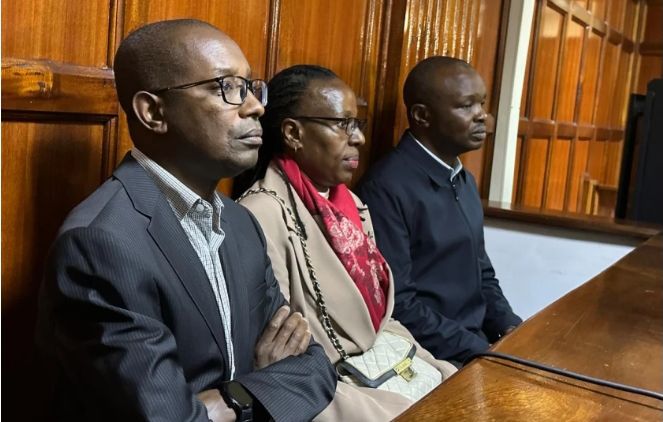
The Director of Public Prosecutions (DPP) has applied to withdraw criminal charges filed against three directors of Nairobi Hospital, who were accused of failing to submit the company’s financial statements to the Registrar of Companies, a requirement under Kenyan law. The case has sparked a legal debate over proper procedure and the rights of the accused, with senior lawyers opposing the withdrawal.
Through prosecution counsel Nora Otieno, the DPP’s office informed the court that it intended to withdraw all charges against Barclay Mogere Onyambu, Magdalene Koki Muthoka, and John Nyiro Mwero, pending a further review of the case. According to the prosecution, the move was in line with Section 87(a) of the Criminal Procedure Code, which allows the state to withdraw charges in certain circumstances.
“We have made a request to review the charges further,” Otieno told the court, adding that the application aimed to give the DPP sufficient time to re-evaluate the matter and ensure that any future legal action is grounded on a thorough review of the evidence.
The charges had been brought against the directors in their capacity as officials of Kenya Hospital Association Limited, the company that operates Nairobi Hospital. Specifically, they were accused of failing to lodge the company’s financial statements for various financial years, contrary to the Companies Act.
In the first count, all three directors were charged with failing to submit financial statements for the year 2024 by the December 31, 2024 deadline. Magdalene Koki Muthoka faced two additional counts, relating to the alleged failure to lodge financial statements for the years 2023 and 2022. The charges, if proven, could have carried legal consequences including fines and potential criminal liability for directors under company law.
However, the prosecution’s move to withdraw the charges immediately met with resistance from the defence and legal stakeholders, who argued that the method chosen was procedurally inappropriate. Senior Counsel James Orengo, representing the interests of the accused, criticised the prosecution for not handling the matter transparently and for failing to provide sufficient notice to defence lawyers, who had been present in court since the morning.
“Yes, you can withdraw, but not under Section 87(a). The accused should not have charges hanging over their heads,” Orengo argued. He further urged the court to terminate the case in a manner that would bar any future prosecution on the same facts, ensuring that the directors’ rights are fully protected.
Orengo’s concerns were echoed by the Law Society of Kenya (LSK) president, Charles Kajama. Speaking outside the courtroom, Kajama expressed concern that the accused had not been formally presented before the court, emphasizing that the legal rights of suspects must be respected. “The accused persons have a right to be brought to court. The suspects outside in the parking lot have a right to be produced in court,” he said, highlighting the importance of due process in criminal proceedings.
Kajama also criticised the DPP for withdrawing the charges without providing a clear explanation, calling for greater transparency and accountability from the prosecution. He further urged the court to consider releasing the accused under Section 202 of the Criminal Procedure Code, which allows for the release of persons pending further legal proceedings.
The legal tussle comes amid ongoing discussions about the obligations of corporate directors in Kenya and the enforcement of the Companies Act. Directors are legally required to ensure that companies submit audited financial statements annually. Failure to comply can attract penalties, including fines and potential disqualification from holding directorships, though criminal liability is typically reserved for deliberate or gross neglect of statutory duties.
This case has drawn public attention not only because of the high-profile nature of Nairobi Hospital but also due to broader concerns over prosecutorial conduct and the protection of individual rights in the legal process. Legal analysts have noted that while the DPP has the discretion to withdraw charges, the method of doing so must not undermine procedural safeguards or the public’s confidence in the justice system.
The court is expected to give directions on the prosecution’s application in the coming days. Observers anticipate a detailed ruling that will clarify the legal basis for withdrawing charges and potentially set a precedent for how similar cases are handled in the future. In the meantime, the accused directors remain under the shadow of the initial charges, though their defence teams have signalled readiness to challenge any procedural irregularities that may arise from the withdrawal process.
The case underscores the delicate balance in Kenya’s legal system between prosecutorial discretion, corporate accountability, and the rights of individuals facing criminal accusations. It also highlights the role of professional bodies such as the Law Society of Kenya in ensuring that justice is not only done but is seen to be done.
As the legal proceedings continue, stakeholders across the corporate and legal sectors are closely monitoring developments, noting that the outcome could influence how similar corporate compliance matters are prosecuted and handled in the future.
Through prosecution counsel Nora Otieno, the DPP’s office informed the court that it intended to withdraw all charges against Barclay Mogere Onyambu, Magdalene Koki Muthoka, and John Nyiro Mwero, pending a further review of the case. According to the prosecution, the move was in line with Section 87(a) of the Criminal Procedure Code, which allows the state to withdraw charges in certain circumstances.
“We have made a request to review the charges further,” Otieno told the court, adding that the application aimed to give the DPP sufficient time to re-evaluate the matter and ensure that any future legal action is grounded on a thorough review of the evidence.
The charges had been brought against the directors in their capacity as officials of Kenya Hospital Association Limited, the company that operates Nairobi Hospital. Specifically, they were accused of failing to lodge the company’s financial statements for various financial years, contrary to the Companies Act.
In the first count, all three directors were charged with failing to submit financial statements for the year 2024 by the December 31, 2024 deadline. Magdalene Koki Muthoka faced two additional counts, relating to the alleged failure to lodge financial statements for the years 2023 and 2022. The charges, if proven, could have carried legal consequences including fines and potential criminal liability for directors under company law.
However, the prosecution’s move to withdraw the charges immediately met with resistance from the defence and legal stakeholders, who argued that the method chosen was procedurally inappropriate. Senior Counsel James Orengo, representing the interests of the accused, criticised the prosecution for not handling the matter transparently and for failing to provide sufficient notice to defence lawyers, who had been present in court since the morning.
“Yes, you can withdraw, but not under Section 87(a). The accused should not have charges hanging over their heads,” Orengo argued. He further urged the court to terminate the case in a manner that would bar any future prosecution on the same facts, ensuring that the directors’ rights are fully protected.
Orengo’s concerns were echoed by the Law Society of Kenya (LSK) president, Charles Kajama. Speaking outside the courtroom, Kajama expressed concern that the accused had not been formally presented before the court, emphasizing that the legal rights of suspects must be respected. “The accused persons have a right to be brought to court. The suspects outside in the parking lot have a right to be produced in court,” he said, highlighting the importance of due process in criminal proceedings.
Kajama also criticised the DPP for withdrawing the charges without providing a clear explanation, calling for greater transparency and accountability from the prosecution. He further urged the court to consider releasing the accused under Section 202 of the Criminal Procedure Code, which allows for the release of persons pending further legal proceedings.
The legal tussle comes amid ongoing discussions about the obligations of corporate directors in Kenya and the enforcement of the Companies Act. Directors are legally required to ensure that companies submit audited financial statements annually. Failure to comply can attract penalties, including fines and potential disqualification from holding directorships, though criminal liability is typically reserved for deliberate or gross neglect of statutory duties.
This case has drawn public attention not only because of the high-profile nature of Nairobi Hospital but also due to broader concerns over prosecutorial conduct and the protection of individual rights in the legal process. Legal analysts have noted that while the DPP has the discretion to withdraw charges, the method of doing so must not undermine procedural safeguards or the public’s confidence in the justice system.
The court is expected to give directions on the prosecution’s application in the coming days. Observers anticipate a detailed ruling that will clarify the legal basis for withdrawing charges and potentially set a precedent for how similar cases are handled in the future. In the meantime, the accused directors remain under the shadow of the initial charges, though their defence teams have signalled readiness to challenge any procedural irregularities that may arise from the withdrawal process.
The case underscores the delicate balance in Kenya’s legal system between prosecutorial discretion, corporate accountability, and the rights of individuals facing criminal accusations. It also highlights the role of professional bodies such as the Law Society of Kenya in ensuring that justice is not only done but is seen to be done.
As the legal proceedings continue, stakeholders across the corporate and legal sectors are closely monitoring developments, noting that the outcome could influence how similar corporate compliance matters are prosecuted and handled in the future.