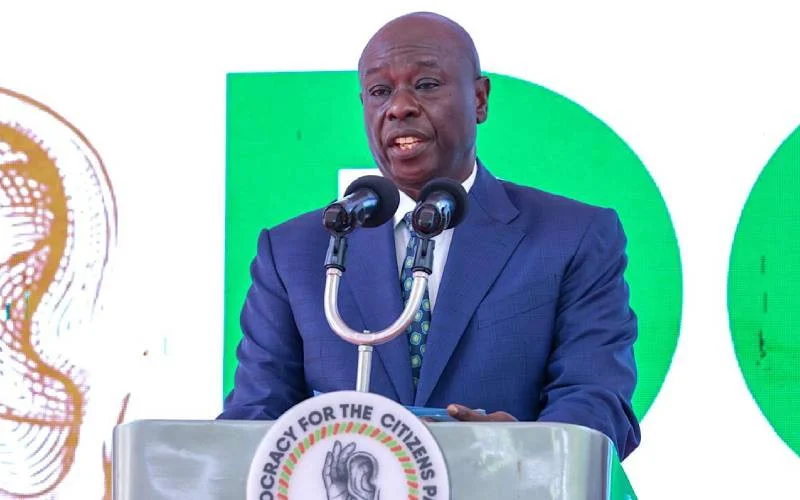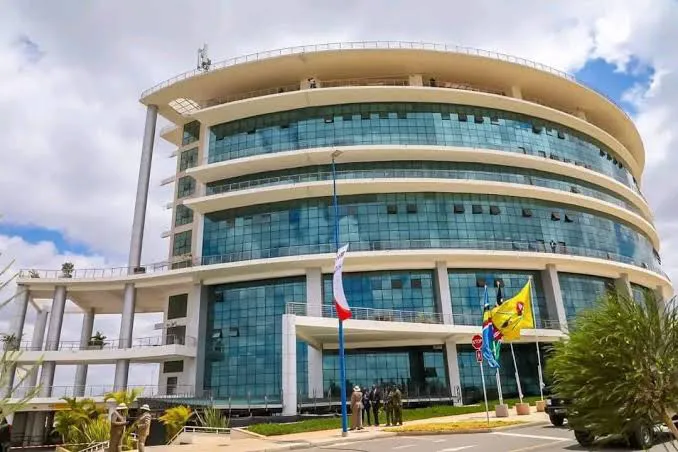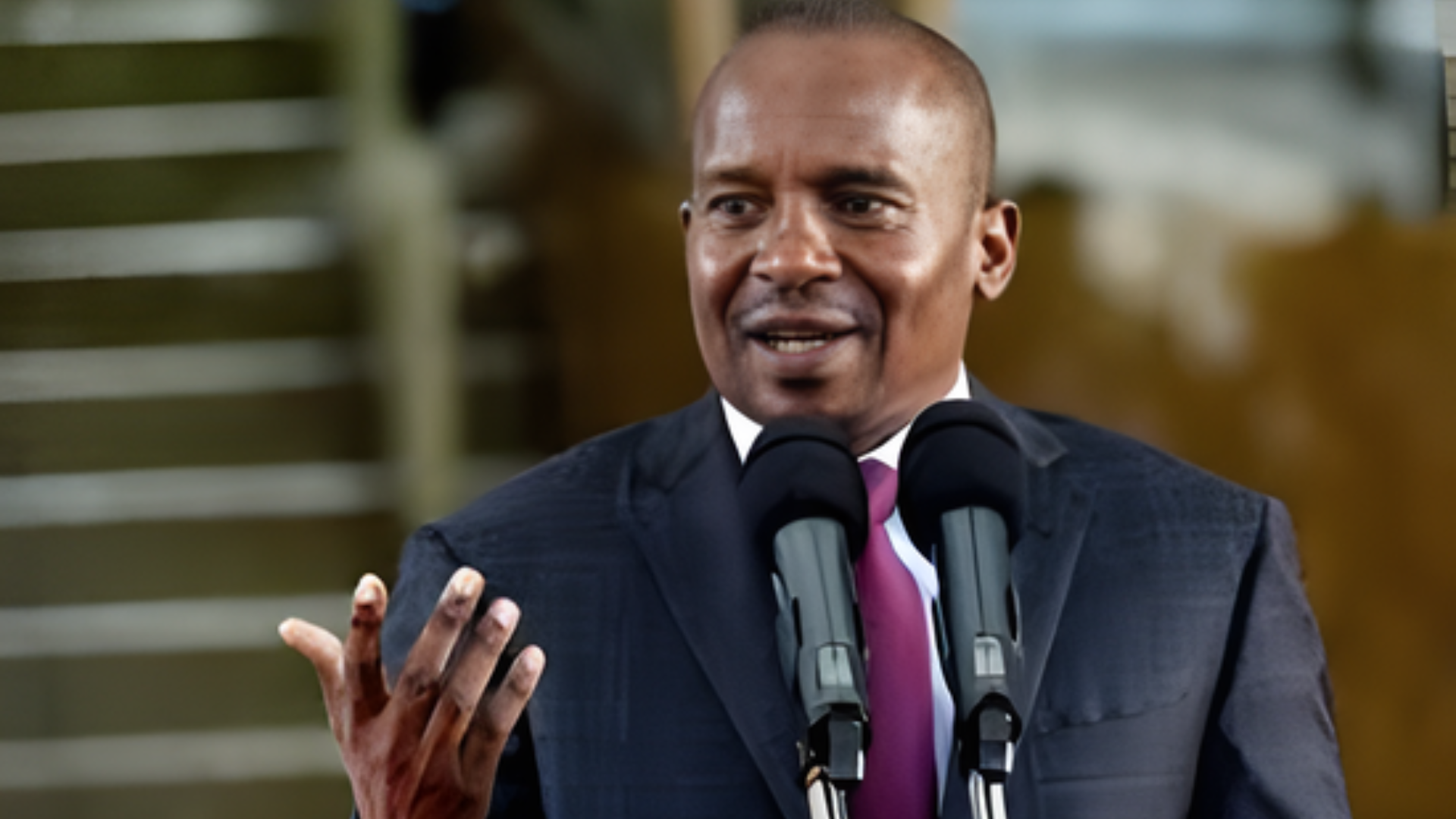
The Office of Deputy President Kithure Kindiki has formally requested an additional Sh1.8 billion in supplementary budget funding to cover operational shortfalls that have emerged during the current financial year.
The request, submitted through the National Treasury to Parliament’s Budget and Appropriations Committee, includes specific line items such as Sh100 million for the hire and maintenance of helicopters used for official travel and Sh350 million allocated for hospitality, official events and related protocol expenses. The remaining balance is intended for general administrative operations, security enhancements and logistical support across the deputy president’s various engagements.
A senior official in the Office of the Deputy President explained the necessity of the supplementary funds during a closed briefing to lawmakers. “The office has experienced unexpected increases in operational demands due to expanded national duties, frequent regional and international engagements, and the need to maintain high standards of security and protocol,” the official said. “These funds are essential to ensure the deputy president can discharge his constitutional responsibilities effectively without compromising service delivery or safety.”
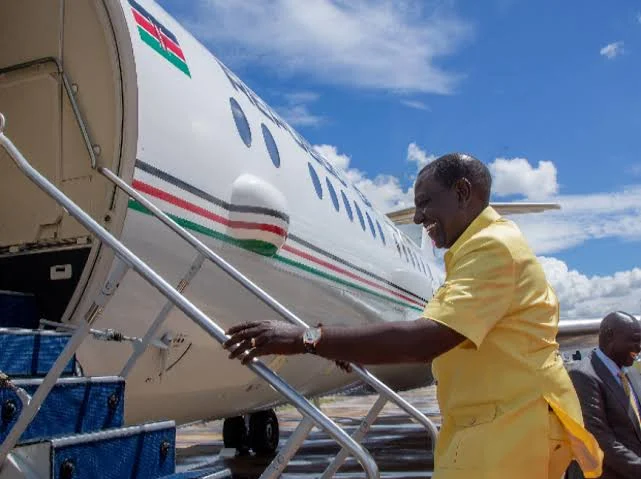
The helicopter allocation has drawn particular attention, as the deputy president’s office relies on chartered aircraft for rapid movement across Kenya’s vast terrain, especially during emergencies, development project inspections and political outreach. Officials argue that the Sh100 million is a prudent investment compared to the higher long-term costs of maintaining a dedicated presidential fleet or relying solely on road travel, which is slower and sometimes less secure in remote areas.
The Sh350 million for hospitality and official events covers hosting of foreign dignitaries, national stakeholders, county delegations and public functions that fall under the deputy president’s mandate. These events are seen as critical for fostering intergovernmental relations, investor confidence and national cohesion. “Kenya must present itself as a serious and hospitable nation on the global stage,” one protocol officer noted. “Cutting corners on official hospitality could damage our diplomatic standing and discourage investment.”
The supplementary request comes at a time when the national budget is already under pressure from high debt servicing costs, revenue shortfalls and competing priorities in health, education and infrastructure. Members of the Budget and Appropriations Committee have raised questions about the scale of the ask and whether it represents prudent use of public resources.
One MP from the opposition benches expressed scepticism during preliminary discussions. “We all understand the need for security and protocol, but Sh1.8 billion is a substantial sum when many counties are struggling to pay doctors and teachers, and hospitals lack basic drugs,” the legislator said. “The public deserves a clear breakdown and justification for every shilling. We cannot approve such amounts without thorough scrutiny.”
Supporters of the deputy president argue that the office plays a vital coordinating role in government and that adequate funding is necessary to avoid operational paralysis. “The deputy president is not an ornament; he is actively involved in national development programmes, peace initiatives and inter-ministerial coordination,” a senior government official said. “These funds will enable him to perform those duties without hindrance.”
The National Treasury is expected to present a detailed defence of the supplementary request when the committee convenes for full hearings next week. Treasury officials have indicated they will provide comprehensive expenditure reports, cost-benefit analyses and comparisons with previous deputy presidential budgets to demonstrate necessity and value for money.
The development has sparked public debate on social media and in radio talk shows, with many citizens questioning priorities in a country where the cost of living remains high and basic services are stretched. “While the deputy president needs to move and host guests, ordinary Kenyans are struggling to buy maize flour and pay school fees,” one Nairobi resident commented. “The government must find a balance between protocol and people’s needs.”
The Office of the Deputy President has so far declined to issue a detailed public response beyond confirming that the request is part of standard budgetary procedures. Sources close to the office say they are confident the committee will appreciate the operational realities and approve the funds with minimal adjustments.
As Parliament prepares to scrutinise the supplementary estimates, the Sh1.8 billion request for the deputy president’s office is likely to remain a focal point of discussion on fiscal discipline, value for money and the cost of maintaining high-level government functions.
The outcome of the committee hearings and subsequent House debate will determine whether the funds are approved in full, reduced or reallocated to other pressing national priorities.