The Directorate of Criminal Investigations (DCI) has issued a stern warning that resignation from public office will not protect senior government officials implicated in the alleged importation of substandard fuel. The announcement follows a wave of high-profile resignations that have rocked the energy sector, raising questions about regulatory oversight, procurement processes, and the safeguarding of public resources.
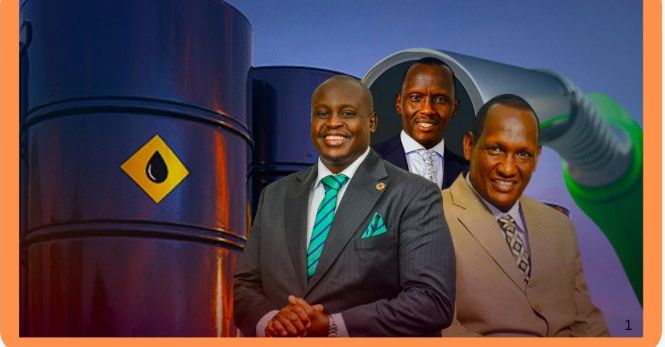
Among those who have stepped aside are Principal Secretary Mohamed Liban, Energy and Petroleum Regulatory Authority (EPRA) Director General Daniel Kiptoo, and Kenya Pipeline Company (KPC) Managing Director Joe Sang. Their resignations came in the aftermath of arrests last Thursday, which triggered nationwide public outrage over the alleged importation of low-quality Premium Motor Spirit (PMS) that could potentially jeopardize both consumer safety and the integrity of Kenya’s energy sector.
In a statement released on Saturday, the DCI made it clear that stepping down from office does not absolve any suspect or person of interest from criminal liability. “Resignation from office does not in any way exonerate or absolve the suspects and persons of interest from criminal culpability,” the agency stated, emphasizing that all individuals implicated in the ongoing investigation remain under close scrutiny. The DCI urged those under investigation to fully cooperate with authorities to expedite the resolution of the probe.
The ongoing investigation, described by the DCI as being conducted with “the highest level of professionalism, transparency, and urgency it deserves,” is focusing on the suspected irregular importation of PMS by One Petroleum Limited. Authorities have already recorded statements from multiple witnesses and persons of interest, including top government officials and executives linked to the company.
Moreover, investigators have summoned executives from Oryx Energy Limited to provide statements, aiming to piece together the full circumstances surrounding the controversial fuel importation. The move signals that the investigation is far-reaching and involves multiple players within the energy sector.
The DCI further highlighted its collaboration with other government and international agencies under the Mutual Legal Assistance (MLA) program. This step is intended to establish a comprehensive understanding of the case, including any cross-border transactions or complicity that may have occurred during the fuel importation process.
“This matter is being handled with the utmost seriousness,” the agency added. “We are doing everything possible to ensure that those found culpable are dealt with firmly, in accordance with the law, regardless of their positions, including directors of the companies involved.”
The scandal has ignited public debate about governance, accountability, and the role of regulatory bodies in preventing corruption. Many Kenyans have expressed concern over the apparent lapses in oversight that allowed substandard fuel to enter the local market, raising questions about the effectiveness of current regulatory mechanisms. Social media platforms have seen a surge in calls for stricter enforcement of procurement standards and a zero-tolerance approach to public sector corruption.
Experts in the energy sector have highlighted that the implications of substandard fuel go beyond financial losses. Inferior fuel can damage vehicle engines, compromise road safety, and contribute to environmental pollution. The controversy underscores the need for rigorous quality control measures at every stage of fuel importation and distribution.
This investigation also arrives at a time when public confidence in government institutions is fragile, and the demand for transparency and accountability is at an all-time high. Analysts argue that a robust, impartial investigation is critical not only to bring justice to those involved but also to restore trust in regulatory institutions responsible for safeguarding Kenya’s energy infrastructure.
In addition to the immediate investigation into One Petroleum Limited and Oryx Energy Limited, there are growing calls for a comprehensive review of the Energy and Petroleum Regulatory Authority’s processes. Stakeholders are urging the government to tighten vetting procedures for fuel importers and ensure that procurement decisions are free from undue influence or corruption.
The DCI’s statement also emphasized its commitment to a broader zero-tolerance stance on corruption. By actively pursuing individuals regardless of their official status, the agency seeks to send a clear message that no one is above the law. This approach aligns with ongoing national efforts to strengthen governance, protect public resources, and ensure transparency in all public procurement processes.
While the investigation is ongoing, the public and media will be closely monitoring developments, especially regarding the accountability of senior officials who resigned amidst the scandal. The DCI’s insistence that resignations do not provide immunity underscores the seriousness of the probe and sets a precedent for future cases involving alleged misconduct in public office.
In conclusion, the unfolding fuel scandal highlights both the vulnerabilities and the resilience of Kenya’s institutional frameworks. It serves as a reminder that safeguarding public resources requires vigilant oversight, proactive regulation, and unwavering commitment to the rule of law. The DCI’s resolute stance signals that authorities are prepared to pursue justice to the fullest extent, ensuring that all parties involved, irrespective of their rank or influence, face the consequences of their actions.
As the investigation progresses, the nation watches closely, hoping for transparency, accountability, and reforms that will prevent similar crises in the future. The case also underscores the critical role of investigative agencies in upholding the integrity of public institutions and protecting citizens from the adverse effects of corruption and malpractice.
Among those who have stepped aside are Principal Secretary Mohamed Liban, Energy and Petroleum Regulatory Authority (EPRA) Director General Daniel Kiptoo, and Kenya Pipeline Company (KPC) Managing Director Joe Sang. Their resignations came in the aftermath of arrests last Thursday, which triggered nationwide public outrage over the alleged importation of low-quality Premium Motor Spirit (PMS) that could potentially jeopardize both consumer safety and the integrity of Kenya’s energy sector.
In a statement released on Saturday, the DCI made it clear that stepping down from office does not absolve any suspect or person of interest from criminal liability. “Resignation from office does not in any way exonerate or absolve the suspects and persons of interest from criminal culpability,” the agency stated, emphasizing that all individuals implicated in the ongoing investigation remain under close scrutiny. The DCI urged those under investigation to fully cooperate with authorities to expedite the resolution of the probe.
The ongoing investigation, described by the DCI as being conducted with “the highest level of professionalism, transparency, and urgency it deserves,” is focusing on the suspected irregular importation of PMS by One Petroleum Limited. Authorities have already recorded statements from multiple witnesses and persons of interest, including top government officials and executives linked to the company.
Moreover, investigators have summoned executives from Oryx Energy Limited to provide statements, aiming to piece together the full circumstances surrounding the controversial fuel importation. The move signals that the investigation is far-reaching and involves multiple players within the energy sector.
The DCI further highlighted its collaboration with other government and international agencies under the Mutual Legal Assistance (MLA) program. This step is intended to establish a comprehensive understanding of the case, including any cross-border transactions or complicity that may have occurred during the fuel importation process.
“This matter is being handled with the utmost seriousness,” the agency added. “We are doing everything possible to ensure that those found culpable are dealt with firmly, in accordance with the law, regardless of their positions, including directors of the companies involved.”
The scandal has ignited public debate about governance, accountability, and the role of regulatory bodies in preventing corruption. Many Kenyans have expressed concern over the apparent lapses in oversight that allowed substandard fuel to enter the local market, raising questions about the effectiveness of current regulatory mechanisms. Social media platforms have seen a surge in calls for stricter enforcement of procurement standards and a zero-tolerance approach to public sector corruption.
Experts in the energy sector have highlighted that the implications of substandard fuel go beyond financial losses. Inferior fuel can damage vehicle engines, compromise road safety, and contribute to environmental pollution. The controversy underscores the need for rigorous quality control measures at every stage of fuel importation and distribution.
This investigation also arrives at a time when public confidence in government institutions is fragile, and the demand for transparency and accountability is at an all-time high. Analysts argue that a robust, impartial investigation is critical not only to bring justice to those involved but also to restore trust in regulatory institutions responsible for safeguarding Kenya’s energy infrastructure.
In addition to the immediate investigation into One Petroleum Limited and Oryx Energy Limited, there are growing calls for a comprehensive review of the Energy and Petroleum Regulatory Authority’s processes. Stakeholders are urging the government to tighten vetting procedures for fuel importers and ensure that procurement decisions are free from undue influence or corruption.
The DCI’s statement also emphasized its commitment to a broader zero-tolerance stance on corruption. By actively pursuing individuals regardless of their official status, the agency seeks to send a clear message that no one is above the law. This approach aligns with ongoing national efforts to strengthen governance, protect public resources, and ensure transparency in all public procurement processes.
While the investigation is ongoing, the public and media will be closely monitoring developments, especially regarding the accountability of senior officials who resigned amidst the scandal. The DCI’s insistence that resignations do not provide immunity underscores the seriousness of the probe and sets a precedent for future cases involving alleged misconduct in public office.
In conclusion, the unfolding fuel scandal highlights both the vulnerabilities and the resilience of Kenya’s institutional frameworks. It serves as a reminder that safeguarding public resources requires vigilant oversight, proactive regulation, and unwavering commitment to the rule of law. The DCI’s resolute stance signals that authorities are prepared to pursue justice to the fullest extent, ensuring that all parties involved, irrespective of their rank or influence, face the consequences of their actions.
As the investigation progresses, the nation watches closely, hoping for transparency, accountability, and reforms that will prevent similar crises in the future. The case also underscores the critical role of investigative agencies in upholding the integrity of public institutions and protecting citizens from the adverse effects of corruption and malpractice.