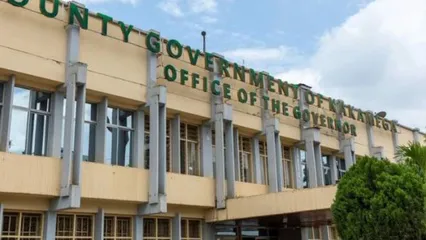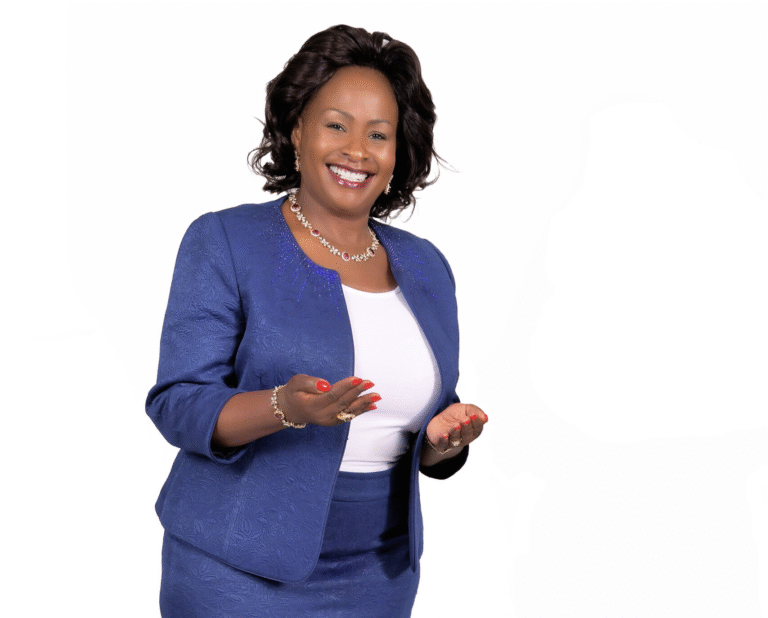
A growing controversy in Machakos County has captured national attention after Governor Wavinya Ndeti publicly addressed claims involving comedian Sammy Kioko and alleged supplier payments. The matter, which has been widely discussed on social media and in public forums, raises serious questions about procurement processes, accountability, and the handling of pending bills within county governments.
The issue began after reports emerged suggesting that Sammy Kioko had demanded payment from the Machakos County government, claiming to have supplied goods or services. The situation quickly escalated into a public debate, with many Kenyans expressing mixed reactions—some supporting the comedian’s claims, while others questioned the legitimacy of his involvement with the county.
In a firm and detailed response, Governor Ndeti dismissed the claims, stating clearly that Sammy Kioko is not a registered supplier in Machakos County. According to her, all suppliers must undergo a formal registration and procurement process as required by law. She emphasized that the county government maintains proper records of all approved suppliers, and Kioko’s name does not appear in any official documentation.
“The county government follows strict procurement procedures to ensure transparency and accountability,” Ndeti said. “We cannot process payments for individuals who are not in our system or who did not follow the laid-down procedures.”
Her statement was aimed at calming the situation and providing clarity to the public, especially amid rising concerns about pending bills owed to suppliers. Like many counties in Kenya, Machakos has faced challenges in settling outstanding payments, with some businesses reporting financial strain due to delays.
Governor Ndeti acknowledged that there are genuine suppliers who are yet to be paid, but she assured them that the county is working to resolve the issue. She explained that her administration has launched a verification process to ensure that only legitimate claims are honored. This process involves reviewing documentation, contracts, and delivery records before any payments are approved.
The controversy took another turn after an incident allegedly involving Sammy Kioko surfaced online. In the widely shared clip, the comedian appears to be in a confrontation, further fueling public interest in the story. While details surrounding the incident remain unclear, it has intensified the debate and drawn attention to the broader issue of how disputes between individuals and government entities are handled.
Supporters of Kioko argue that his claims should not be dismissed without a thorough investigation. They believe that if he indeed provided services, the county government should explain why he has not been paid. Some have also raised concerns about possible gaps in the procurement system that could allow such disputes to arise.
On the other hand, government officials and some members of the public have defended the governor’s position, stressing the importance of following proper procedures. They argue that allowing payments outside the official system would set a dangerous precedent and could lead to misuse of public funds.
Governance experts say the situation highlights a common challenge in public administration—balancing efficiency with accountability. Procurement processes are designed to prevent corruption and ensure fairness, but they can sometimes be slow and complex. When disputes arise, they often expose weaknesses in record-keeping, communication, or oversight.
“This is not just about one individual or one county,” one analyst noted. “It reflects a broader issue in how public institutions manage contracts and payments. There is a need for stronger systems and more transparency to avoid such conflicts.”
Residents of Machakos County have also weighed in on the matter, with many calling for greater openness from their leaders. For them, the issue is not only about the comedian or the governor but also about trust in public institutions. They want assurance that public funds are being used responsibly and that genuine suppliers are not left struggling.
Governor Ndeti has urged anyone with valid claims against the county to come forward with proper documentation. She reiterated that her administration is committed to fairness and will ensure that all verified suppliers are paid. At the same time, she warned against making false claims, noting that such actions could undermine the integrity of the system.
As the story continues to unfold, it has become clear that the controversy goes beyond a single dispute. It has opened up a wider conversation about governance, transparency, and the role of social media in shaping public opinion. In today’s digital age, issues can quickly gain attention and influence perceptions, sometimes before all the facts are known.
For Sammy Kioko, the situation has placed him at the center of a high-profile debate, while for Governor Ndeti, it has been a test of leadership and communication. Both sides are now under public scrutiny, and many are waiting to see how the matter will be resolved.
In the coming days, more information is expected to emerge as investigations and verifications continue. Whether the claims will be substantiated or dismissed, the outcome will likely have lasting implications for how such disputes are handled in the future.
Ultimately, the Machakos controversy serves as a reminder of the importance of clear systems, proper documentation, and open communication in public service. It also highlights the need for citizens and leaders alike to engage responsibly, ensuring that discussions are guided by facts and a shared commitment to accountability.