While we often overlook a single strand of thread, it is a marvel of industrial engineering. Thread is more than just "thin string"; it is a highly specialized yarn designed to pass through a needle at high speeds, endure the friction of a sewing machine, and hold a garment together for a lifetime.
Whether it’s the cotton in your shirt or the polyester in your gym gear, the journey from raw fiber to a finished spool involves a precise mechanical transformation.
1. Sourcing the Raw Material
Thread production begins with either natural fibers (like cotton, silk, or linen) or synthetic polymers (like polyester or nylon).
* Cotton: Selected for its "staple length"—longer fibers create stronger, smoother threads.
* Polyester: Created through chemical polymerization, resulting in a continuous filament that is incredibly durable and resistant to shrinking.
2. The Spinning Process: Creating Strength
Raw fibers are a chaotic mess. To become thread, they must be aligned and bound together.
* Carding and Combing: The fibers are "brushed" to align them parallel to each other, forming a soft, thick rope called a sliver.
* Drawing: Multiple slivers are pulled and combined to ensure the final thread has a consistent thickness.
* Spinning: The sliver is twisted at high speeds. This twist is the secret to thread’s strength; it forces the fibers to frictionally grip one another.
3. Plying: The "S" and "Z" Twists
A single strand of spun fiber is usually too weak for sewing. To increase durability, multiple strands (plies) are twisted together.
* The Direction: Most machine threads are "Z-twist" (twisted to the left). This prevents the thread from unravelling as it moves through the tension discs and needles of a sewing machine.
* Ply Count: A "3-ply" thread consists of three individual strands twisted into one.
4. Chemical Treatment and Finishing
This is where "yarn" becomes "thread." Raw thread is fuzzy and creates friction, which would cause it to snap in a high-speed machine.
* Singeing/Gassing: The thread is passed through a high-speed gas flame to burn off excess fuzz (lint), creating a smooth surface.
* Mercerization: For cotton, the thread is treated with a caustic solution that swells the fibers, making them stronger and giving them a lustrous, "silk-like" finish.
* Lubrication: This is the most critical step. The thread is coated with a silicone or wax finish. This lubricant acts like oil in an engine, allowing the thread to glide through fabric at 5,000 stitches per minute without overheating or breaking.
5. Dyeing and Winding
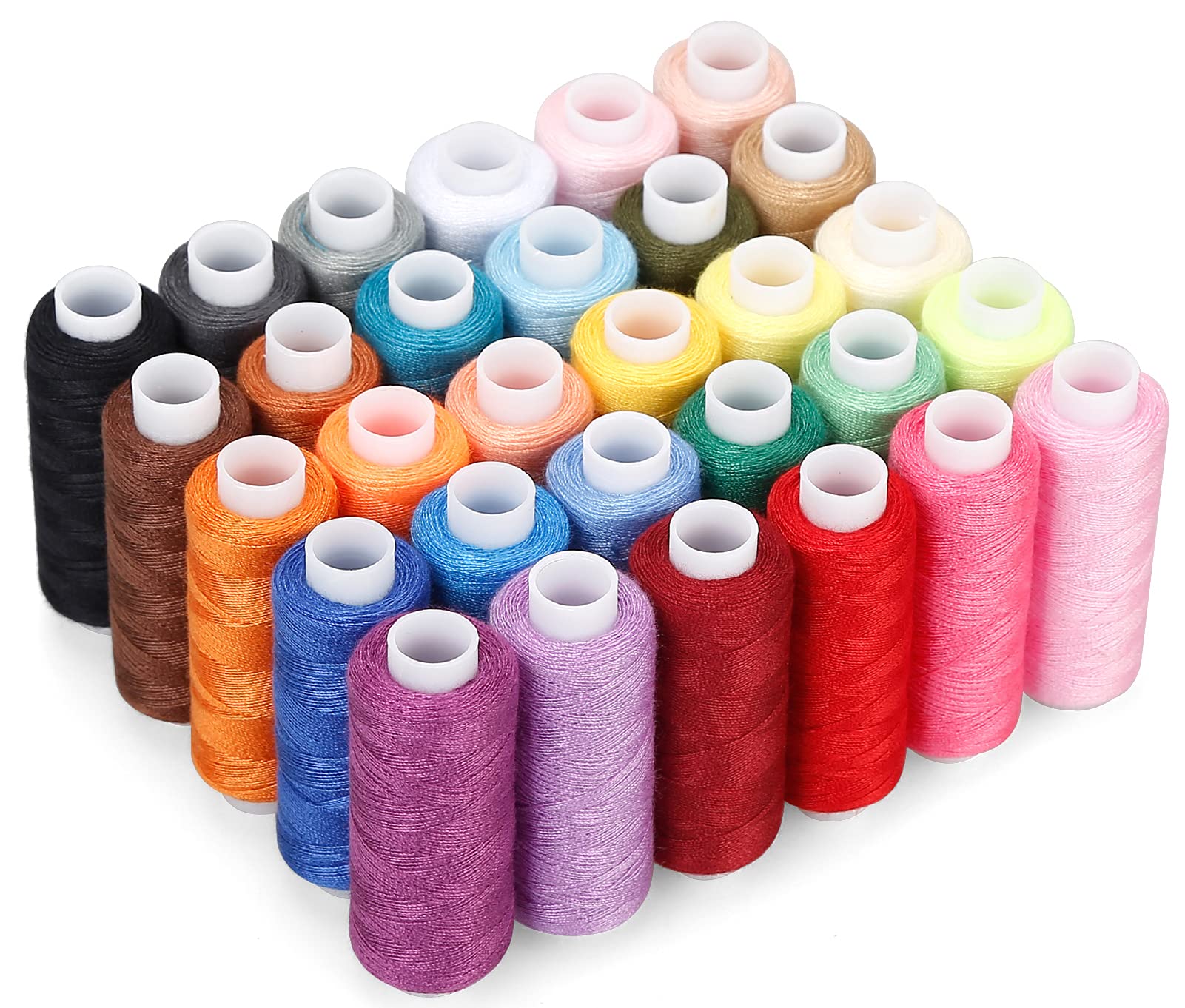
Once the thread is structurally sound, it is wound onto large perforated tubes and submerged in pressurized dye vats to ensure the color saturates every ply evenly. Finally, it is precision-wound onto the iconic small spools you see in craft stores or the massive industrial cones used in factories.
The Precision of the Pull
The next time you pull a loose thread, consider the physics involved. It has been twisted, gassed, mercerized, and lubricated—all to ensure that a strand less than a millimeter thick can hold the weight of our daily lives.
Technical Note: Thread is measured by "Tex"—the weight in grams of 1,000 meters of thread. A higher Tex means a thicker, heavier thread, essential for things like denim or leatherwork.
Whether it’s the cotton in your shirt or the polyester in your gym gear, the journey from raw fiber to a finished spool involves a precise mechanical transformation.
1. Sourcing the Raw Material
Thread production begins with either natural fibers (like cotton, silk, or linen) or synthetic polymers (like polyester or nylon).
* Cotton: Selected for its "staple length"—longer fibers create stronger, smoother threads.
* Polyester: Created through chemical polymerization, resulting in a continuous filament that is incredibly durable and resistant to shrinking.
2. The Spinning Process: Creating Strength
Raw fibers are a chaotic mess. To become thread, they must be aligned and bound together.
* Carding and Combing: The fibers are "brushed" to align them parallel to each other, forming a soft, thick rope called a sliver.
* Drawing: Multiple slivers are pulled and combined to ensure the final thread has a consistent thickness.
* Spinning: The sliver is twisted at high speeds. This twist is the secret to thread’s strength; it forces the fibers to frictionally grip one another.
3. Plying: The "S" and "Z" Twists
A single strand of spun fiber is usually too weak for sewing. To increase durability, multiple strands (plies) are twisted together.
* The Direction: Most machine threads are "Z-twist" (twisted to the left). This prevents the thread from unravelling as it moves through the tension discs and needles of a sewing machine.
* Ply Count: A "3-ply" thread consists of three individual strands twisted into one.
4. Chemical Treatment and Finishing
This is where "yarn" becomes "thread." Raw thread is fuzzy and creates friction, which would cause it to snap in a high-speed machine.
* Singeing/Gassing: The thread is passed through a high-speed gas flame to burn off excess fuzz (lint), creating a smooth surface.
* Mercerization: For cotton, the thread is treated with a caustic solution that swells the fibers, making them stronger and giving them a lustrous, "silk-like" finish.
* Lubrication: This is the most critical step. The thread is coated with a silicone or wax finish. This lubricant acts like oil in an engine, allowing the thread to glide through fabric at 5,000 stitches per minute without overheating or breaking.
5. Dyeing and Winding
Once the thread is structurally sound, it is wound onto large perforated tubes and submerged in pressurized dye vats to ensure the color saturates every ply evenly. Finally, it is precision-wound onto the iconic small spools you see in craft stores or the massive industrial cones used in factories.
The Precision of the Pull
The next time you pull a loose thread, consider the physics involved. It has been twisted, gassed, mercerized, and lubricated—all to ensure that a strand less than a millimeter thick can hold the weight of our daily lives.
Technical Note: Thread is measured by "Tex"—the weight in grams of 1,000 meters of thread. A higher Tex means a thicker, heavier thread, essential for things like denim or leatherwork.