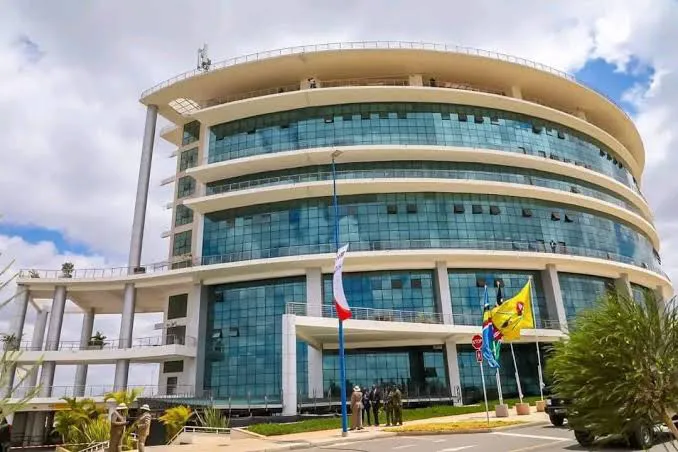
Mombasa County has been ordered to pay over KSh.2.7 million to a law firm after a long-standing dispute over unpaid legal fees, with the responsibility placed squarely on the county’s finance chief. The decision, handed down by the Environment and Land Court in Mombasa, comes after years of unresolved payments and procedural wrangling between the county government and Miller & Company Advocates.
In a judgment delivered by the court, the County Executive Committee Member (CECM) in charge of Finance was directed to pay Miller & Company Advocates KSh.2,721,861.36. The amount is to accrue interest at 14 per cent per year starting January 22, 2025, until the debt is fully settled.
The legal dispute traces back to November 2021, when Miller & Company Advocates was hired to represent the county in a high-profile land petition. The firm later withdrew from the case, citing the county’s failure to provide further instructions. Subsequently, the law firm submitted its fee note for services rendered, only to face delays and non-payment, prompting it to file a bill of costs in court.
The bill of costs was taxed on January 22, 2025, and a certificate of costs was issued the following day. Miller & Company Advocates then successfully applied to have the certificate adopted as a court judgment on July 30, 2025. This legal step paved the way for enforcement against the county government. A certificate of order against the government was issued on September 1, 2025, and formally served on the county.
Despite these developments, the county did not settle the outstanding debt. Court documents reveal that the law firm issued multiple demands, serving the Office of the County Attorney with the decree and subsequent applications in October and November 2025. The county, however, resisted, arguing that several officials had been wrongly included in the suit and that only the finance CECM had the legal authority to approve and release funds.
The county further contended that there was no proof that the relevant accounting officer had been properly served. Additionally, officials claimed that the payment could not be made immediately, as the decretal sum had not been included in the current financial year’s budget. According to county representatives, any payment outside the approved budget would violate the Public Finance Management Act and would require approval by the County Assembly during a future budget cycle.
The court, however, dismissed these arguments, ruling that service through the Office of the County Attorney was sufficient. The office, the judge noted, is mandated to advise and represent all county departments. Furthermore, the judge emphasized that there was no dispute over the debt itself, no pending appeal, and no challenge against the taxed costs. Evidence presented showed that the county had made no tangible steps to settle the amount, suggesting an unwillingness to honor its obligations without judicial intervention.
“The respondents have failed to settle the decretal amount despite reasonable notice and are merely invoking procedural technicalities to evade their obligation,” the court observed in its ruling.
The judgment clarified that the CECM in charge of finance carries the statutory responsibility to pay the debt, and that an order of mandamus was the only effective remedy available to the law firm, given that execution cannot be issued against government entities. However, the court limited the order to the finance CECM, dismissing claims against other respondents, including various county officials, as they do not bear the legal responsibility for payment.
In what could be seen as a partial reprieve for Mombasa County, the court suspended enforcement of the order until July 1, 2026. This suspension was intended to give the finance department sufficient time to make the necessary budgetary arrangements and ensure the debt is cleared without breaching legal financial protocols.
Although the law firm secured the court order, the court declined to award legal costs, pointing out that the firm succeeded against only one of the six respondents. As a result, each party will bear its own costs.
Legal analysts say the ruling highlights the importance of fiscal accountability and the potential consequences of delayed payments by government entities. By directing the finance CECM to personally ensure the settlement, the court sends a clear message that statutory duties cannot be evaded through bureaucratic technicalities.
Observers note that the case could set a precedent for other counties facing similar disputes with service providers, particularly in situations where budgetary constraints are cited as a reason for delayed payment. The judgment underscores the responsibility of county executives to manage funds efficiently and prioritize legally binding obligations, even amid financial planning challenges.
For Miller & Company Advocates, the ruling marks the culmination of a prolonged legal battle that tested both procedural norms and the limits of county government accountability. While the suspension of enforcement until mid-2026 allows Mombasa County some breathing space, failure to comply could expose the finance chief to further legal scrutiny and possible contempt of court proceedings.
The case also raises broader questions about how counties manage contractual obligations and the role of legal professionals in holding governments accountable. As Kenya continues to strengthen its devolution framework, the judgment serves as a reminder that even government entities must operate within the boundaries of law, budgetary constraints notwithstanding.
While the full payment has been temporarily deferred, the Environment and Land Court has drawn a definitive line: Mombasa County, through its finance CECM, is legally obliged to settle the KSh.2.7 million debt, reinforcing both the authority of the judiciary and the responsibilities of county officials.
In a judgment delivered by the court, the County Executive Committee Member (CECM) in charge of Finance was directed to pay Miller & Company Advocates KSh.2,721,861.36. The amount is to accrue interest at 14 per cent per year starting January 22, 2025, until the debt is fully settled.
The legal dispute traces back to November 2021, when Miller & Company Advocates was hired to represent the county in a high-profile land petition. The firm later withdrew from the case, citing the county’s failure to provide further instructions. Subsequently, the law firm submitted its fee note for services rendered, only to face delays and non-payment, prompting it to file a bill of costs in court.
The bill of costs was taxed on January 22, 2025, and a certificate of costs was issued the following day. Miller & Company Advocates then successfully applied to have the certificate adopted as a court judgment on July 30, 2025. This legal step paved the way for enforcement against the county government. A certificate of order against the government was issued on September 1, 2025, and formally served on the county.
Despite these developments, the county did not settle the outstanding debt. Court documents reveal that the law firm issued multiple demands, serving the Office of the County Attorney with the decree and subsequent applications in October and November 2025. The county, however, resisted, arguing that several officials had been wrongly included in the suit and that only the finance CECM had the legal authority to approve and release funds.
The county further contended that there was no proof that the relevant accounting officer had been properly served. Additionally, officials claimed that the payment could not be made immediately, as the decretal sum had not been included in the current financial year’s budget. According to county representatives, any payment outside the approved budget would violate the Public Finance Management Act and would require approval by the County Assembly during a future budget cycle.
The court, however, dismissed these arguments, ruling that service through the Office of the County Attorney was sufficient. The office, the judge noted, is mandated to advise and represent all county departments. Furthermore, the judge emphasized that there was no dispute over the debt itself, no pending appeal, and no challenge against the taxed costs. Evidence presented showed that the county had made no tangible steps to settle the amount, suggesting an unwillingness to honor its obligations without judicial intervention.
“The respondents have failed to settle the decretal amount despite reasonable notice and are merely invoking procedural technicalities to evade their obligation,” the court observed in its ruling.
The judgment clarified that the CECM in charge of finance carries the statutory responsibility to pay the debt, and that an order of mandamus was the only effective remedy available to the law firm, given that execution cannot be issued against government entities. However, the court limited the order to the finance CECM, dismissing claims against other respondents, including various county officials, as they do not bear the legal responsibility for payment.
In what could be seen as a partial reprieve for Mombasa County, the court suspended enforcement of the order until July 1, 2026. This suspension was intended to give the finance department sufficient time to make the necessary budgetary arrangements and ensure the debt is cleared without breaching legal financial protocols.
Although the law firm secured the court order, the court declined to award legal costs, pointing out that the firm succeeded against only one of the six respondents. As a result, each party will bear its own costs.
Legal analysts say the ruling highlights the importance of fiscal accountability and the potential consequences of delayed payments by government entities. By directing the finance CECM to personally ensure the settlement, the court sends a clear message that statutory duties cannot be evaded through bureaucratic technicalities.
Observers note that the case could set a precedent for other counties facing similar disputes with service providers, particularly in situations where budgetary constraints are cited as a reason for delayed payment. The judgment underscores the responsibility of county executives to manage funds efficiently and prioritize legally binding obligations, even amid financial planning challenges.
For Miller & Company Advocates, the ruling marks the culmination of a prolonged legal battle that tested both procedural norms and the limits of county government accountability. While the suspension of enforcement until mid-2026 allows Mombasa County some breathing space, failure to comply could expose the finance chief to further legal scrutiny and possible contempt of court proceedings.
The case also raises broader questions about how counties manage contractual obligations and the role of legal professionals in holding governments accountable. As Kenya continues to strengthen its devolution framework, the judgment serves as a reminder that even government entities must operate within the boundaries of law, budgetary constraints notwithstanding.
While the full payment has been temporarily deferred, the Environment and Land Court has drawn a definitive line: Mombasa County, through its finance CECM, is legally obliged to settle the KSh.2.7 million debt, reinforcing both the authority of the judiciary and the responsibilities of county officials.