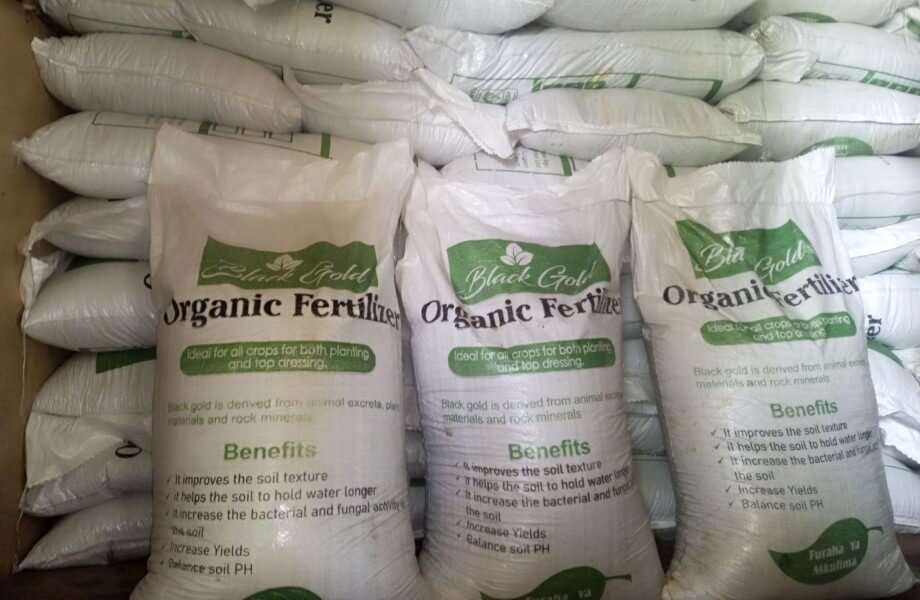
In the grand narrative of human history, few innovations have had as profound an impact on global survival as the development of fertilizers. As the global population continues to rise, the ability to maximize crop yields on existing farmland is no longer just an agricultural goal—it is a pillar of global food security.
What Exactly is Fertilizer?
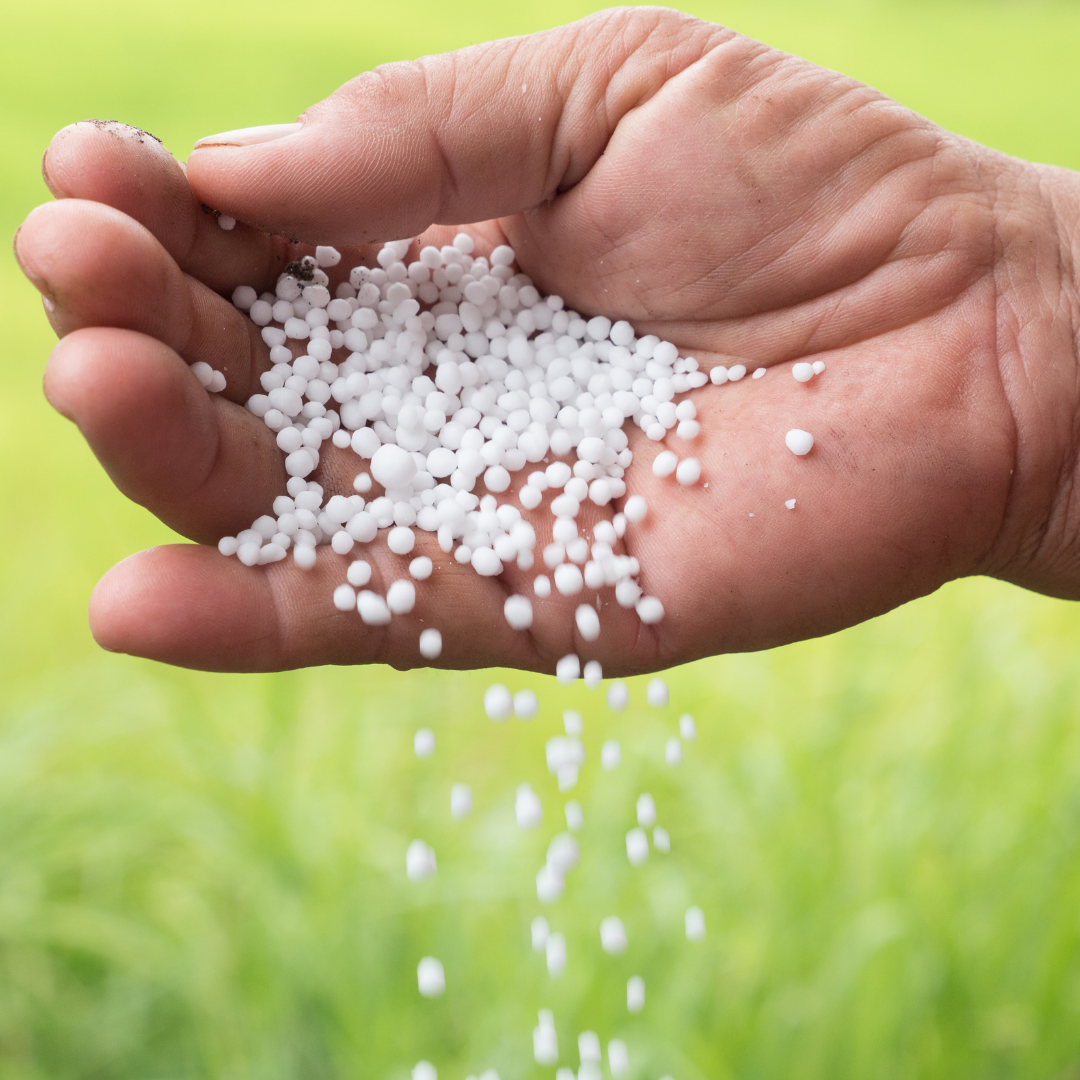
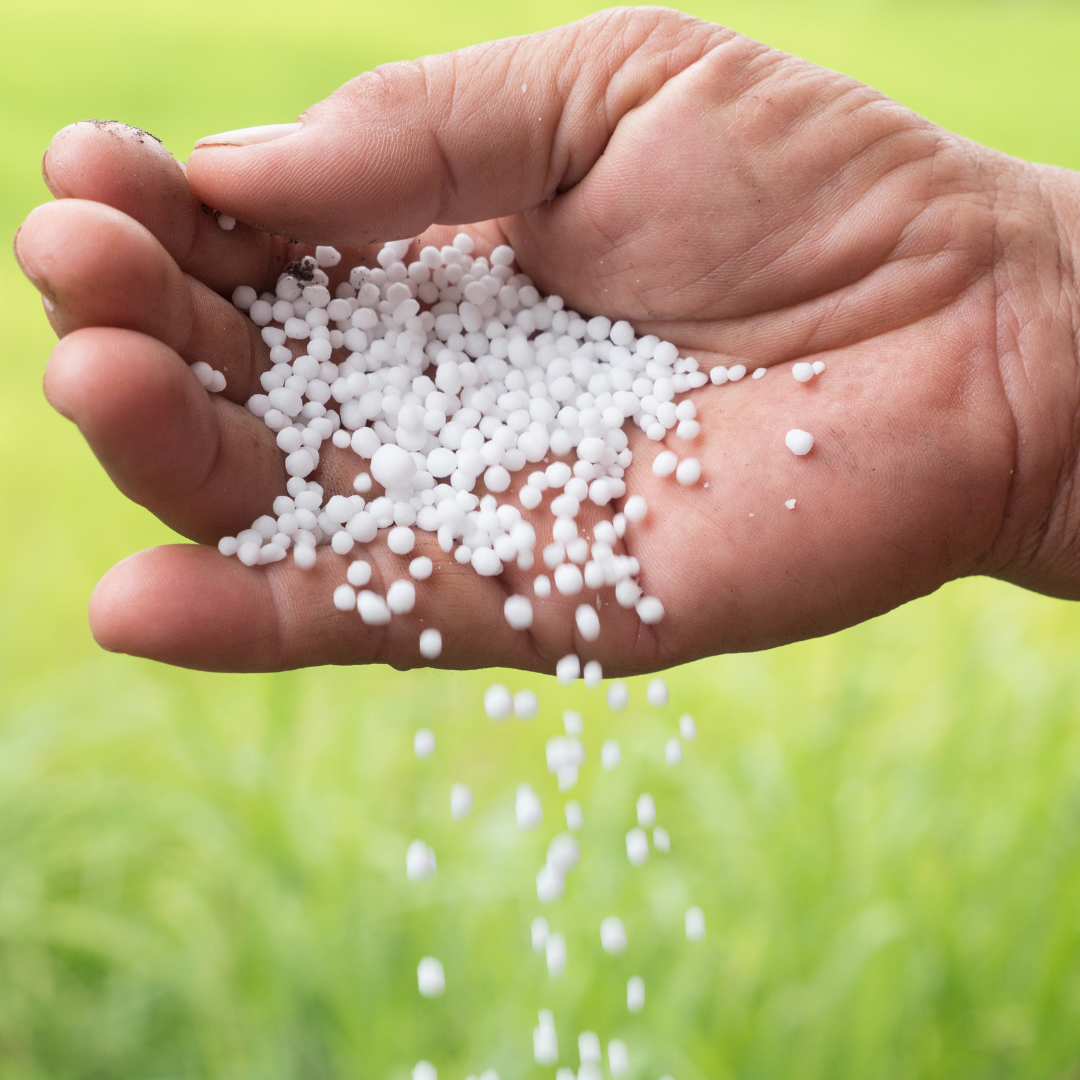
At its core, a fertilizer is any material—natural or synthetic—applied to soil or plant tissues to supply one or more essential nutrients. Think of it as a multivitamin for the earth. While soil naturally contains nutrients, intensive farming can deplete these reserves over time, requiring replenishment to maintain productivity.
The "Big Three": N-P-K
Most commercial fertilizers are labeled with three prominent numbers, representing the NPK ratio. These elements are the primary macronutrients required for plant growth:
* Nitrogen (N): The "Green-Up" nutrient. It is essential for leaf growth and the production of chlorophyll, which plants use to turn sunlight into energy.
* Phosphorus (P): The "Root and Fruit" nutrient. It aids in the development of strong root systems and the production of flowers, seeds, and fruit.
* Potassium (K): The "All-Around" nutrient. It regulates water movement within the plant and helps build resistance to drought and disease.
Organic vs. Inorganic: Choosing the Right Path
The agricultural industry utilizes two main categories of fertilizers, each with distinct characteristics:
Organic (Manure, Compost, Bone Meal)
Inorganic (Synthetic/Chemical)
Plant or animal waste.
Mineral deposits or chemical processes.
breaks down over time. | Immediate to controlled-release.
Soil Health | Improves soil structure and microbial life. Provides precise nutrients but doesn't improve soil texture.
| Precision | Nutrient content varies. Exact, guaranteed nutrient ratios.
The Precision Revolution
The future of fertilizer lies in Precision Agriculture. Moving away from "blanket applications," modern farmers are using technology to apply nutrients more efficiently:
* Soil Testing: Before a single grain of fertilizer is dropped, GPS-guided soil sampling determines exactly which areas of a field need help.
* Variable Rate Technology (VRT): Tractors equipped with sensors can adjust the amount of fertilizer released in real-time as they drive across different sections of a farm.
* Fertigation: This process integrates liquid fertilizer directly into irrigation systems, delivering nutrients directly to the root zone with minimal waste.
Balancing Productivity and the Environment
While fertilizers are essential for feeding the world, their use comes with significant responsibility. Nutrient runoff—where excess nitrogen or phosphorus enters waterways—can lead to algae blooms that harm aquatic ecosystems.
To combat this, the industry is moving toward the "4R Nutrient Stewardship" framework:
* Right Source: Matching the fertilizer type to the crop’s needs.
* Right Rate: Applying only what the plant can absorb.
* Right Time: Coordinating application with the plant's growth cycle.
* Right Place: Putting the nutrients where the plant can best reach them.
Conclusion
Fertilizer is far more than just "dirt medicine." It is a sophisticated tool of science and engineering that allows us to grow more food on less land. By balancing traditional organic methods with high-tech synthetic precision, modern agriculture is working toward a future that is both highly productive and environmentally conscious.
What Exactly is Fertilizer?
At its core, a fertilizer is any material—natural or synthetic—applied to soil or plant tissues to supply one or more essential nutrients. Think of it as a multivitamin for the earth. While soil naturally contains nutrients, intensive farming can deplete these reserves over time, requiring replenishment to maintain productivity.
The "Big Three": N-P-K
Most commercial fertilizers are labeled with three prominent numbers, representing the NPK ratio. These elements are the primary macronutrients required for plant growth:
* Nitrogen (N): The "Green-Up" nutrient. It is essential for leaf growth and the production of chlorophyll, which plants use to turn sunlight into energy.
* Phosphorus (P): The "Root and Fruit" nutrient. It aids in the development of strong root systems and the production of flowers, seeds, and fruit.
* Potassium (K): The "All-Around" nutrient. It regulates water movement within the plant and helps build resistance to drought and disease.
Organic vs. Inorganic: Choosing the Right Path
The agricultural industry utilizes two main categories of fertilizers, each with distinct characteristics:
Organic (Manure, Compost, Bone Meal)
Inorganic (Synthetic/Chemical)
Plant or animal waste.
Mineral deposits or chemical processes.
breaks down over time. | Immediate to controlled-release.
Soil Health | Improves soil structure and microbial life. Provides precise nutrients but doesn't improve soil texture.
| Precision | Nutrient content varies. Exact, guaranteed nutrient ratios.
The Precision Revolution
The future of fertilizer lies in Precision Agriculture. Moving away from "blanket applications," modern farmers are using technology to apply nutrients more efficiently:
* Soil Testing: Before a single grain of fertilizer is dropped, GPS-guided soil sampling determines exactly which areas of a field need help.
* Variable Rate Technology (VRT): Tractors equipped with sensors can adjust the amount of fertilizer released in real-time as they drive across different sections of a farm.
* Fertigation: This process integrates liquid fertilizer directly into irrigation systems, delivering nutrients directly to the root zone with minimal waste.
Balancing Productivity and the Environment
While fertilizers are essential for feeding the world, their use comes with significant responsibility. Nutrient runoff—where excess nitrogen or phosphorus enters waterways—can lead to algae blooms that harm aquatic ecosystems.
To combat this, the industry is moving toward the "4R Nutrient Stewardship" framework:
* Right Source: Matching the fertilizer type to the crop’s needs.
* Right Rate: Applying only what the plant can absorb.
* Right Time: Coordinating application with the plant's growth cycle.
* Right Place: Putting the nutrients where the plant can best reach them.
Conclusion
Fertilizer is far more than just "dirt medicine." It is a sophisticated tool of science and engineering that allows us to grow more food on less land. By balancing traditional organic methods with high-tech synthetic precision, modern agriculture is working toward a future that is both highly productive and environmentally conscious.