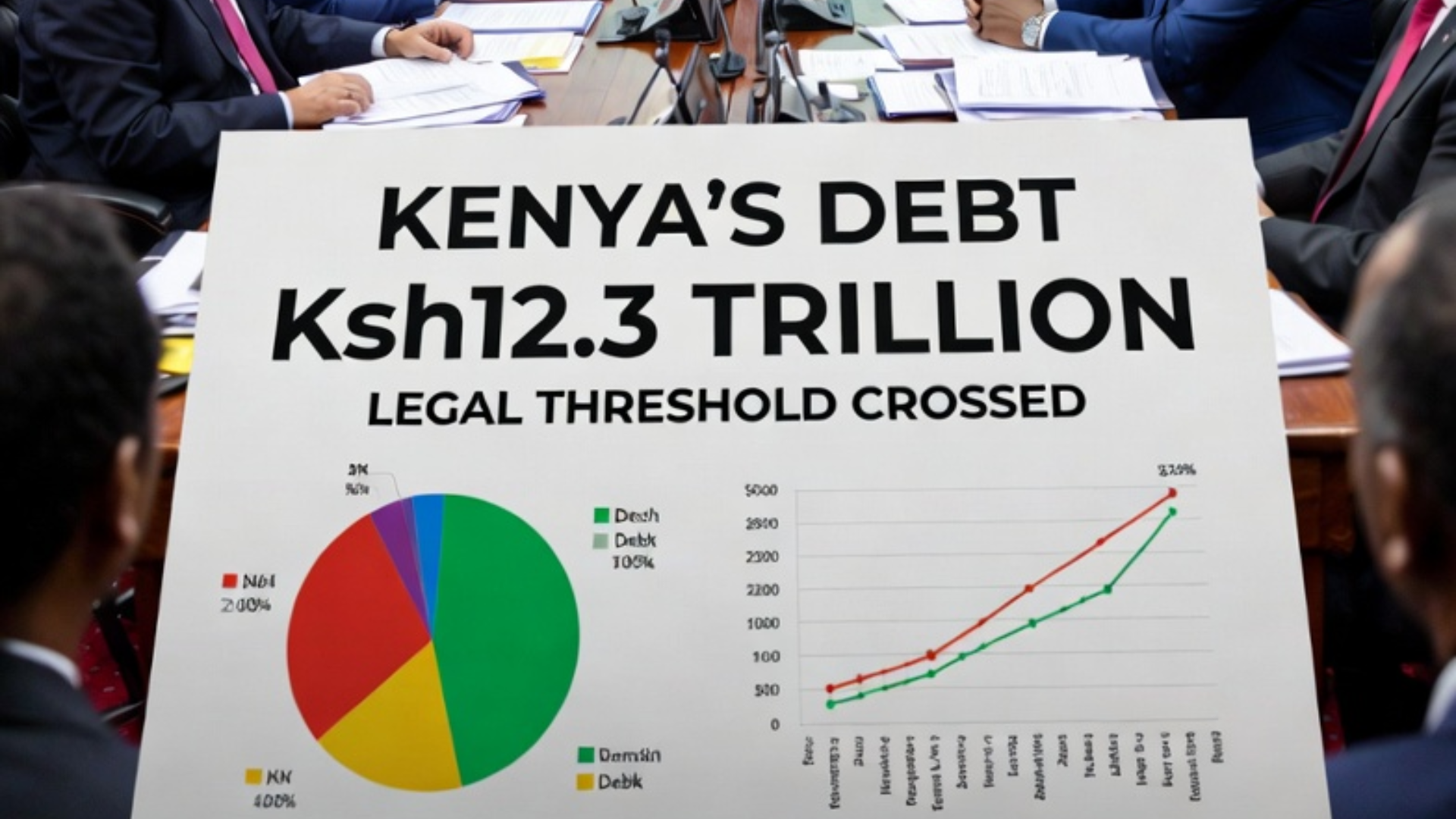
Senators have warned that Kenya’s public debt has now reached KSh 12.3 trillion, surpassing the legal thresholds set by Parliament and raising serious concerns about the country’s heavy reliance on domestic borrowing.
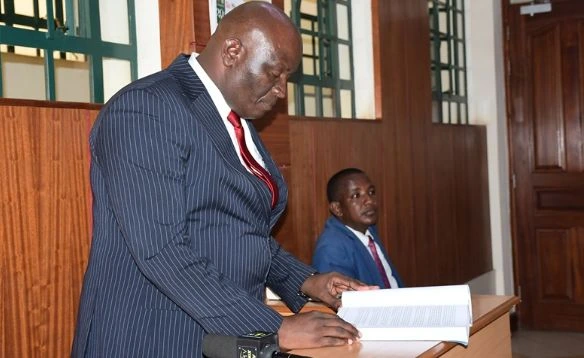
The warning came during a special sitting of the Senate’s Finance and Budget Committee, where lawmakers reviewed the latest debt sustainability report presented by the National Treasury. Several senators expressed alarm that the rapid accumulation of debt, particularly through domestic instruments such as treasury bills and bonds, is crowding out essential spending on health, education, infrastructure and social protection.
Senate Minority Leader and Homa Bay Senator Moses Kajwang said the current debt level is unsustainable and threatens future generations. “We have crossed the red line,” Kajwang stated. “KSh 12.3 trillion is not just a number; it is a burden that will force our children to pay for decisions made today. Domestic borrowing has become the easy option, but it is squeezing commercial banks, pushing up interest rates for private businesses and leaving less money for development. We cannot continue like this.”
Other senators echoed the concern, pointing out that annual debt service payments are now consuming a growing share of the national budget. Nandi Senator Samson Cherargei said the situation is particularly worrying because much of the new borrowing is short-term and expensive. “When interest rates rise, as they inevitably will in a volatile global economy, the cost of servicing this debt will explode,” Cherargei said. “We are already seeing repayments eating into funds meant for roads, hospitals and schools. If we do not act now, the next budget will be little more than a debt repayment exercise.”
The senators noted that the Public Debt Management Act sets clear debt-to-GDP and debt-service-to-revenue thresholds that are meant to act as safeguards. They argued that these limits have been breached, yet the government continues to issue new domestic debt instruments at an alarming pace. “The law is clear on the ceilings,” said one senator during the committee session. “We cannot keep pretending the rules do not apply when the numbers become uncomfortable. Parliament must reclaim its oversight role and enforce these thresholds before it is too late.”
The heavy domestic borrowing has also raised fears of crowding out the private sector. Commercial banks, pension funds and insurance companies have become major buyers of government securities, reducing the credit available to businesses and individuals. Small and medium enterprises, already struggling with high lending rates, are finding it even harder to access capital. “When the government borrows so aggressively from the domestic market, it pushes up interest rates across the board,” said an economist who briefed the committee. “This is not sustainable. We risk stifling the very growth that is supposed to help us pay down the debt.”
Senators also highlighted the potential risks if global or domestic interest rates rise sharply. “Our debt portfolio is increasingly sensitive to rate changes,” Cherargei warned. “A one-percentage-point increase in interest rates could add billions to our annual repayment bill. That money will have to come from somewhere—either higher taxes or cuts in development spending. Either way, ordinary Kenyans lose.”
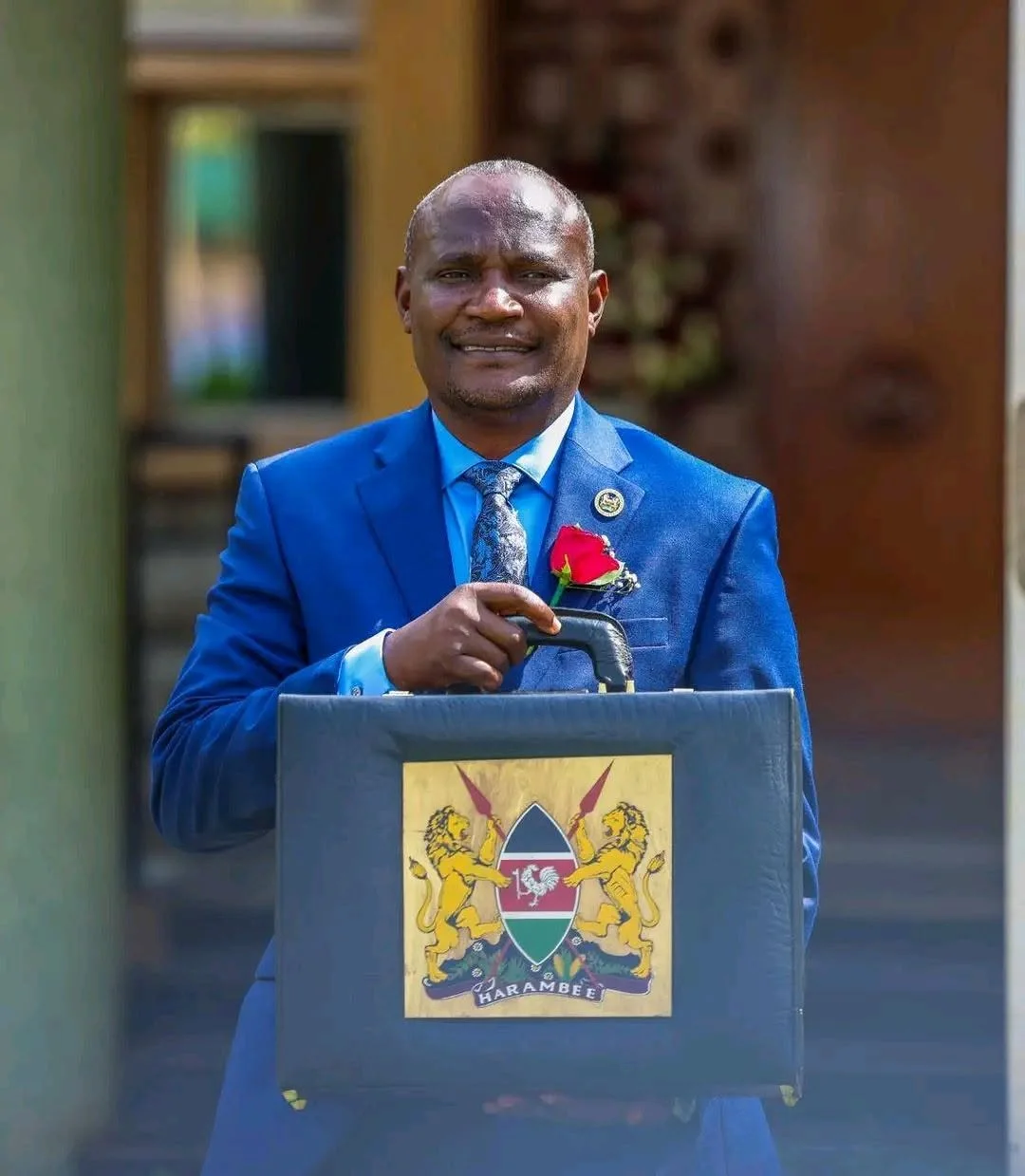
The committee resolved to summon the Cabinet Secretary for the National Treasury and the Governor of the Central Bank of Kenya for a detailed briefing on the debt situation. Members agreed to push for stricter adherence to the debt-ceiling laws and to explore options for debt restructuring, increased revenue mobilisation and more efficient public spending.
Despite the concerns, Treasury officials have maintained that the debt remains manageable and that domestic borrowing is preferable to new external loans with tougher conditions. They argue that the funds raised have been used to finance critical infrastructure projects, social programmes and economic recovery efforts following recent shocks. “Debt is a tool, not a problem in itself,” one Treasury representative said during earlier budget hearings. “What matters is how productively we use the money we borrow and how quickly we grow the economy to outpace the debt burden.”
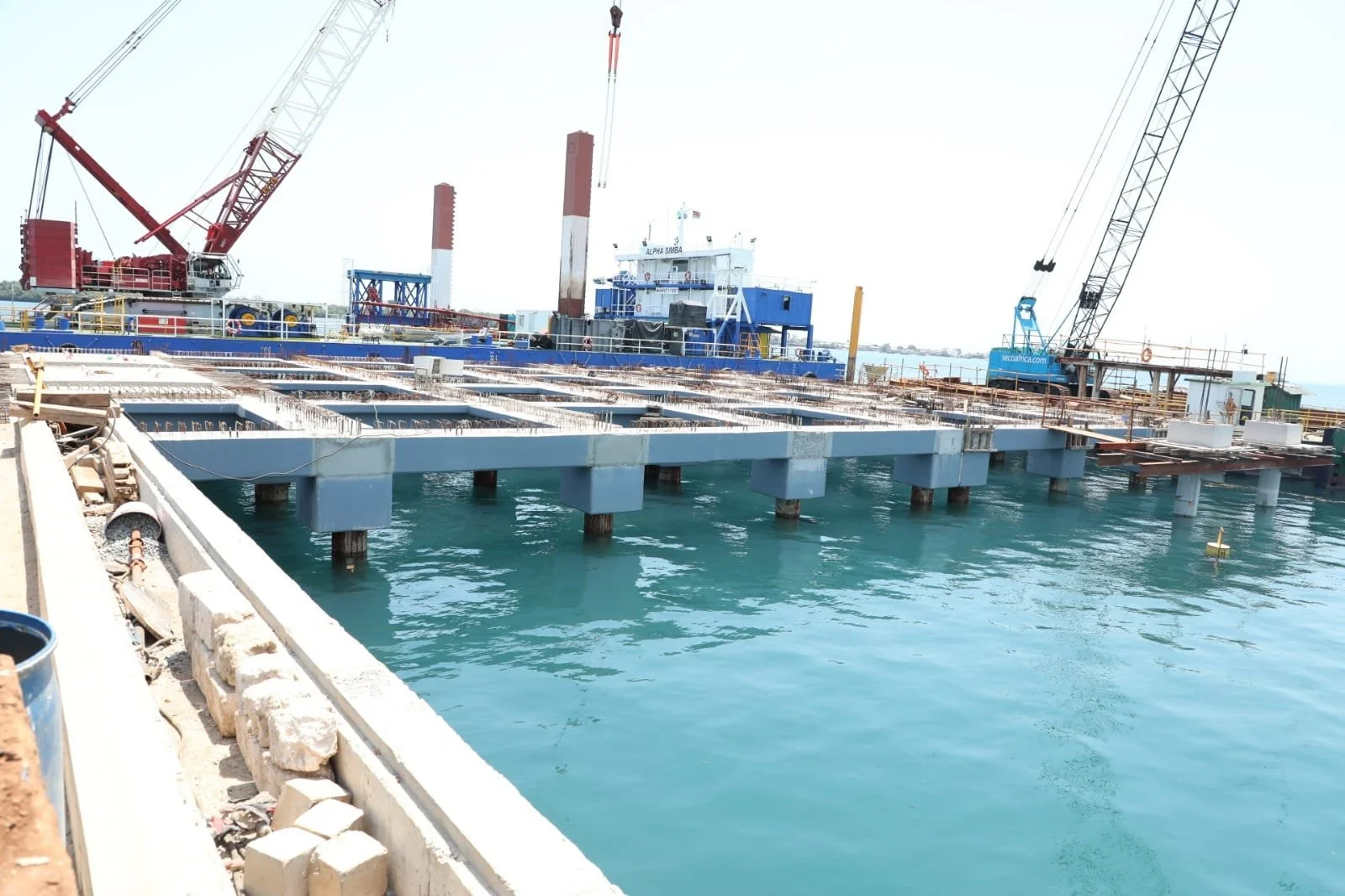
The Senate’s intervention comes at a time when public anxiety over the national debt is rising. Many citizens have expressed frustration over the contrast between mounting debt figures and the slow pace of service delivery in counties and urban areas. “We see new roads and stadiums being built, but we also see hospitals without medicine and schools without books,” said one resident in a televised vox pop. “If the debt is for development, we should see the results in our daily lives. If not, then we are simply mortgaging our children’s future.”
As the Senate prepares to engage the Treasury and Central Bank, the debate over Kenya’s debt trajectory is expected to intensify in the coming weeks. Lawmakers have signalled they will push for legislative measures to strengthen debt management frameworks, including tighter limits on domestic borrowing and mandatory parliamentary approval for major new debt instruments.
The current debt level of KSh 12.3 trillion represents a significant portion of the country’s GDP and has become one of the most pressing fiscal challenges facing the administration. With the 2027 general election on the horizon, how the government manages this debt burden and communicates its strategy to the public could play a decisive role in shaping voter sentiment.
For now, senators have made it clear they will not remain silent. “We have a constitutional duty to protect the public purse and ensure fiscal sustainability,” one senator concluded during the committee meeting. “If the debt continues to grow unchecked, we risk losing control over our own budget and our ability to shape Kenya’s future. That is a risk we cannot afford to take.”