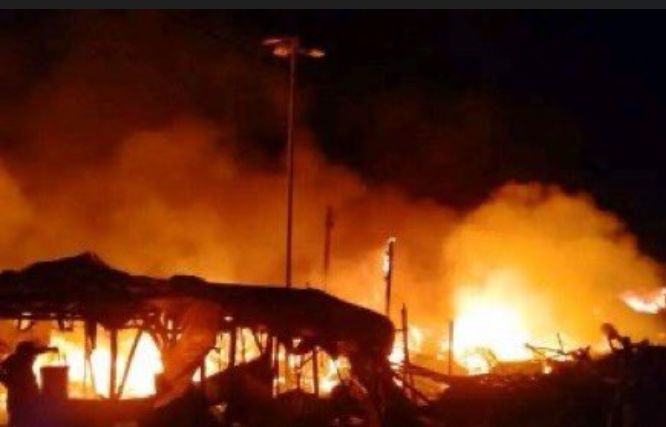
The struggle over control, redevelopment and survival at Gikomba Market has exposed a deeper web of political power, economic interests and patronage networks, as traders count heavy losses following recent demolitions and government pushes to modernise the iconic trading hub.
Thousands of traders have been displaced after sections of the market were cleared, with authorities insisting the move is part of a broader plan to reclaim riparian land and build a modern facility. But for many, the exercise reflects a long-standing pattern where state power collides with informal livelihoods.
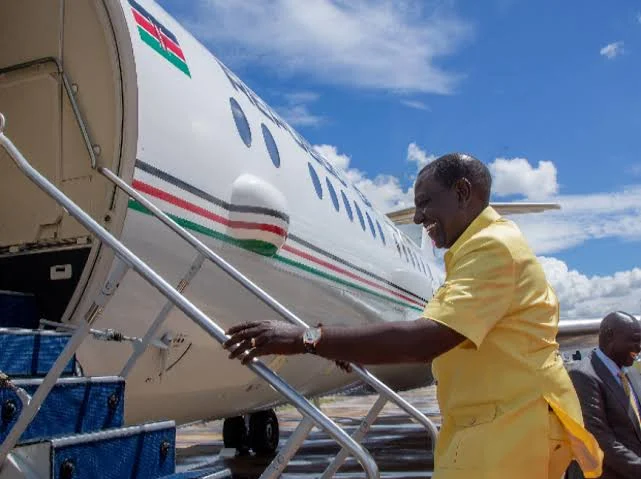
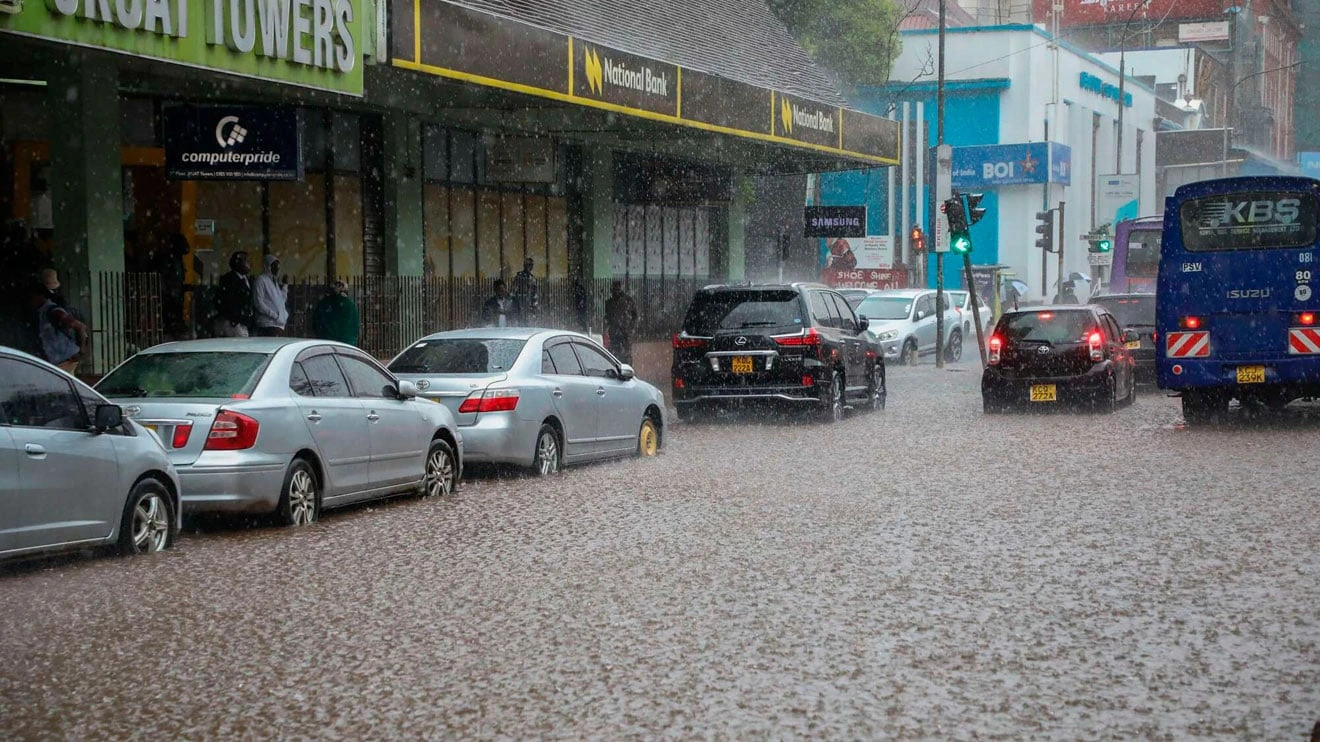
President William Ruto defended the project, urging leaders to avoid politicising the issue. “Leaders should keep politics out of Gikomba Market. We want to build a modern market,” he said, arguing that traders have “for a long time, suffered losses due to fires and rains.”
Yet on the ground, traders describe a different reality—one shaped by abrupt evictions, recurring fires and fragile economic survival. Analysts say Gikomba’s history reveals how control of space in the market often translates into economic and political influence.
Established in the 1950s, Gikomba has grown into Kenya’s largest second-hand clothing (mitumba) market, employing tens of thousands and supporting entire supply chains. Its growth, however, has been punctuated by repeated demolitions, fires and restructuring—events critics argue are rarely neutral.
The latest demolitions, which hit sections such as the shoe market, have left traders facing massive losses. “These were not just structures reduced to rubble; they were years of hustle… erased overnight,” one analysis noted, capturing the scale of devastation.
Government officials maintain that redevelopment is necessary for safety, order and long-term economic benefit, with plans to inject billions into rebuilding and formalising the market. But critics argue that such interventions often mask deeper struggles over who controls lucrative trading spaces.
Opposition figures and civil society groups have accused authorities of sidelining traders in decision-making, saying the process reflects broader patterns of exclusion tied to political patronage. Control of stalls, allocation of space and access to rebuilding opportunities have historically been linked to networks of influence, reinforcing inequalities within the market.
Gikomba’s structure—where traders depend on access to bales of second-hand clothes, storage spaces and strategic selling points—has created an ecosystem where power brokers can shape livelihoods. Those with connections often secure prime locations or supply advantages, while smaller traders remain vulnerable to displacement.
Urban planning experts argue that while modernisation is necessary, the approach matters. Abrupt demolitions, especially without clear compensation frameworks, risk deepening poverty and eroding trust in public institutions.
For many traders, the issue is not development itself but how it is implemented. As one commentary observed, “development should not come at the cost of dignity,” pointing to the human toll behind policy decisions.
The unfolding events at Gikomba highlight a broader national tension: the push to modernise urban spaces versus the realities of informal economies that sustain millions. At the centre of it all is a market where bales of clothes are more than goods—they are currency in a complex system of power, survival and political influence.