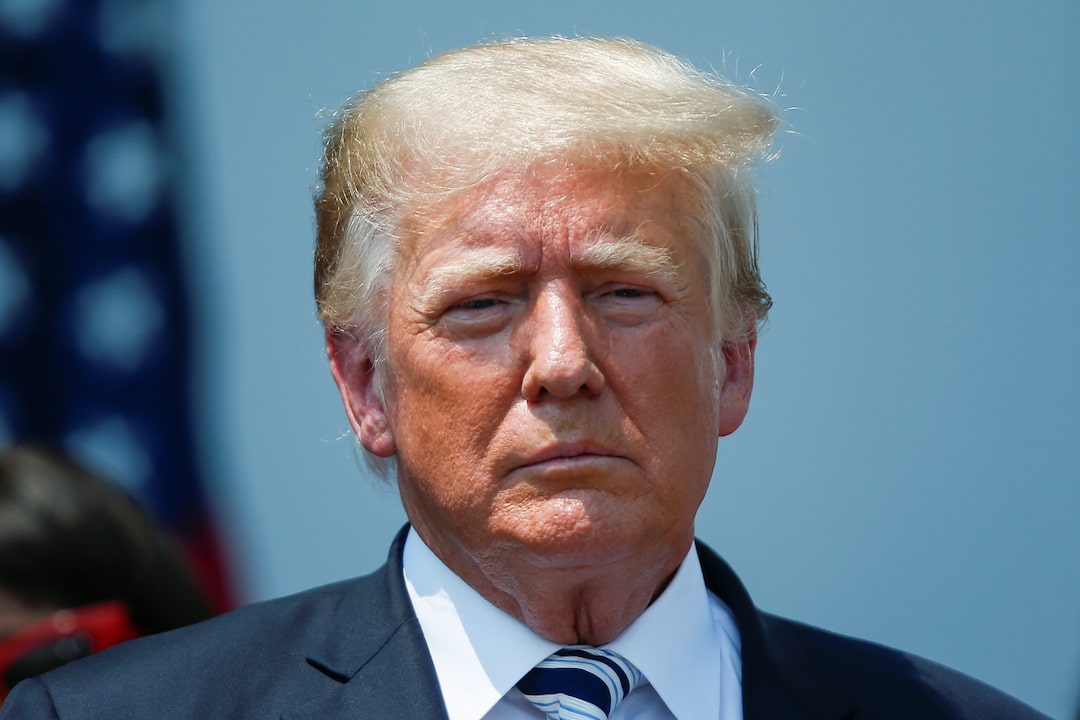
BBC is pushing back against a multi-billion dollar lawsuit filed by Donald Trump, arguing that a controversial Panorama episode at the center of the case was never even accessible in the United States.
In court filings, the broadcaster maintains that the programme—accused of editing together segments of Trump’s speech—was not available on iPlayer, online, or any streaming platform within the US. As a result, the BBC is challenging the authority of a Florida court to hear the case.
Trump’s lawsuit alleges defamation, claiming the edited footage made it appear as though he directly incited supporters to storm the US Capitol during the January 6 United States Capitol attack. He accuses the BBC of deliberately manipulating his speech in a misleading and damaging way.
While the BBC has previously issued an apology over the editing, it firmly rejects claims of wrongdoing that would warrant financial compensation. The corporation also disputes the legal grounds of the lawsuit, warning that such actions by a powerful public figure could have a “chilling effect” on journalism.
At the heart of the BBC’s defense is its argument that the Florida court lacks jurisdiction over the case—setting the stage for a high-stakes legal battle over media accountability and global press freedom.
In court filings, the broadcaster maintains that the programme—accused of editing together segments of Trump’s speech—was not available on iPlayer, online, or any streaming platform within the US. As a result, the BBC is challenging the authority of a Florida court to hear the case.
Trump’s lawsuit alleges defamation, claiming the edited footage made it appear as though he directly incited supporters to storm the US Capitol during the January 6 United States Capitol attack. He accuses the BBC of deliberately manipulating his speech in a misleading and damaging way.
While the BBC has previously issued an apology over the editing, it firmly rejects claims of wrongdoing that would warrant financial compensation. The corporation also disputes the legal grounds of the lawsuit, warning that such actions by a powerful public figure could have a “chilling effect” on journalism.
At the heart of the BBC’s defense is its argument that the Florida court lacks jurisdiction over the case—setting the stage for a high-stakes legal battle over media accountability and global press freedom.