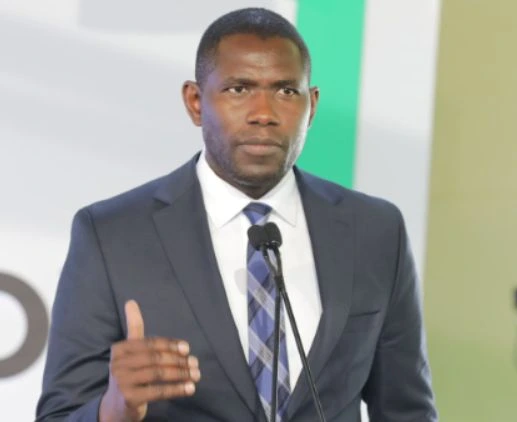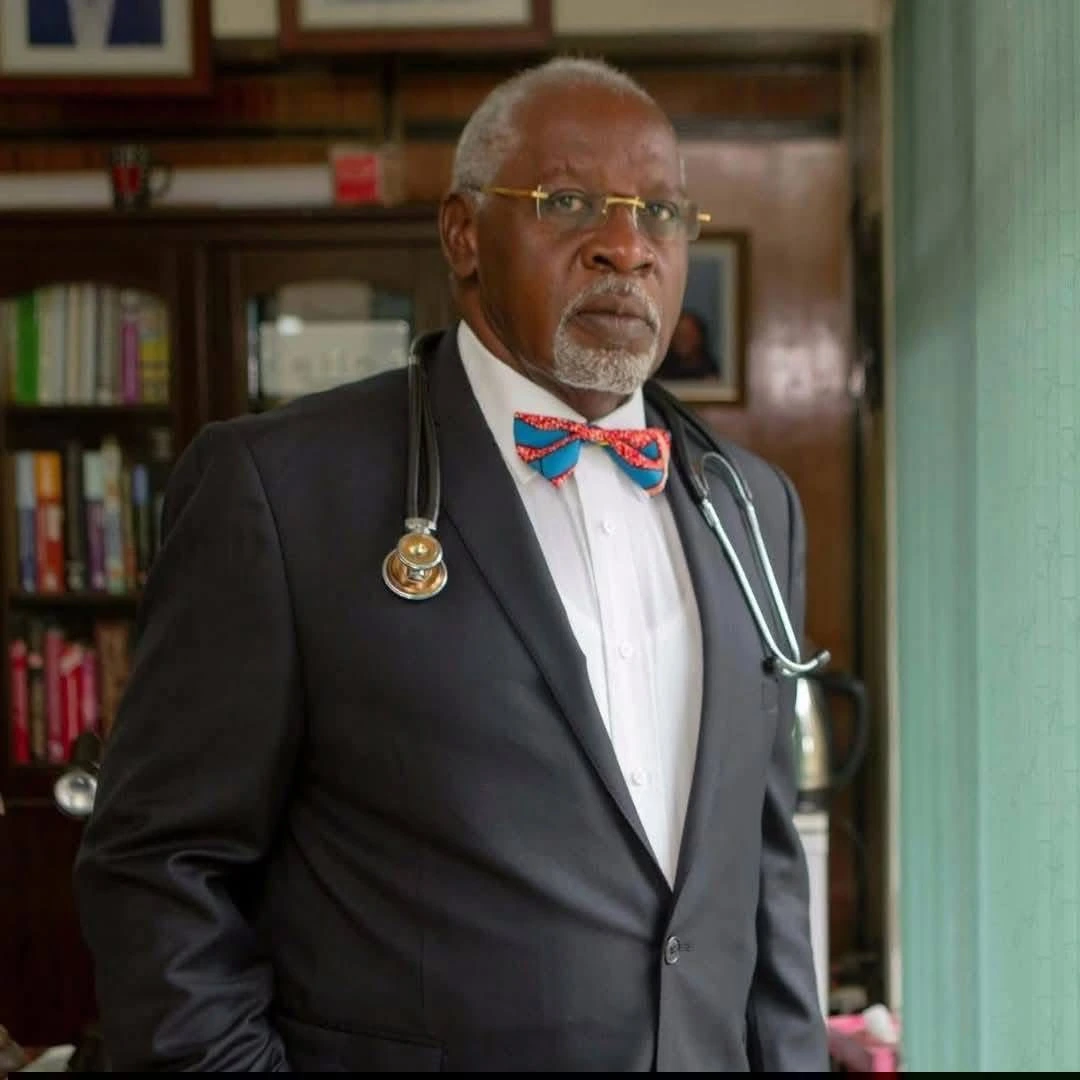
Principal Secretary for Medical Services, Dr. Ouma Oluga, has issued a strong call for a results-driven approach in the fight against preventable maternal and newborn deaths, urging stakeholders to move beyond pledges and deliver measurable impact where it matters most—at the point of care.
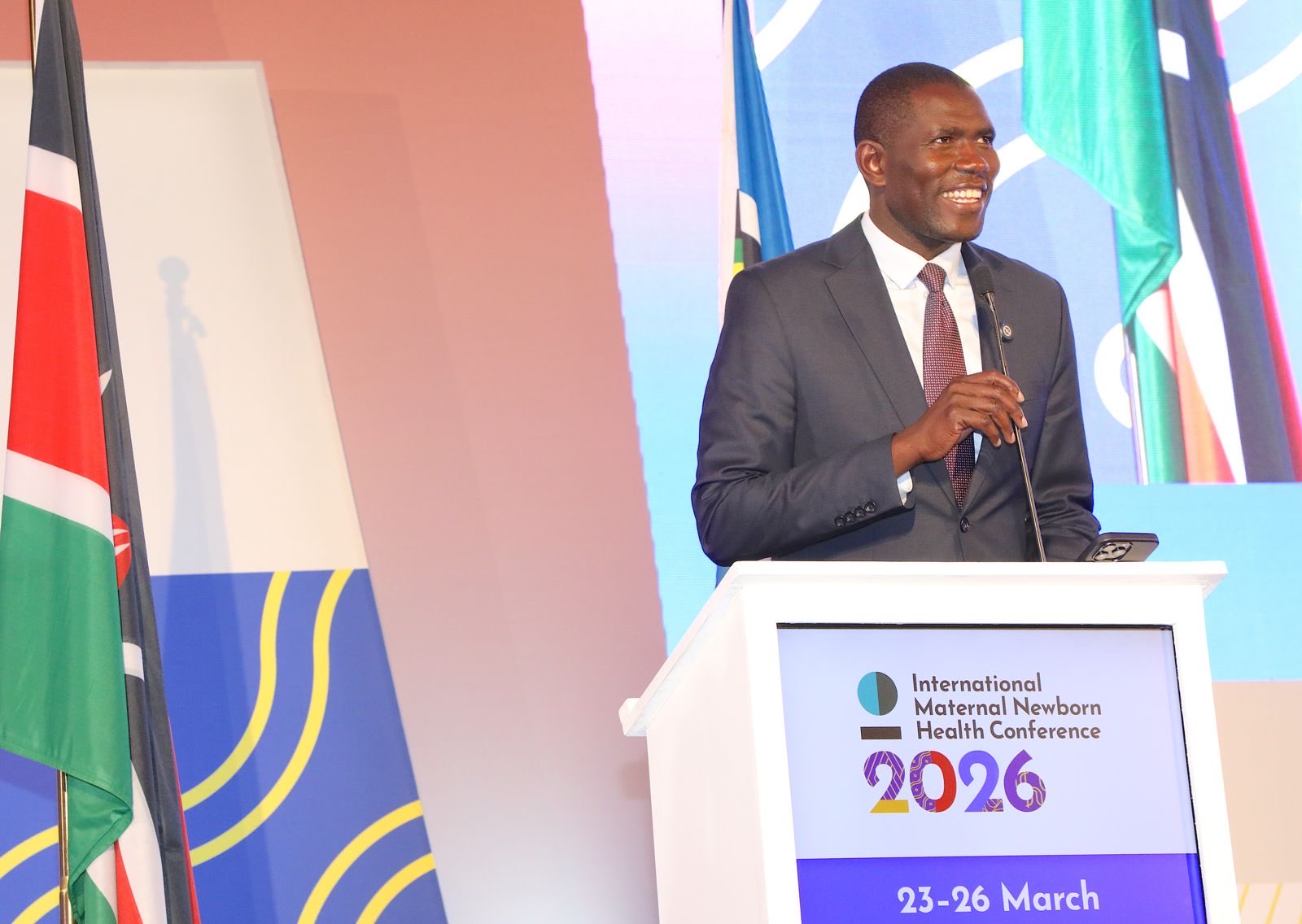
Speaking at the close of the International Maternal and Newborn Health Conference 2026 in Nairobi, Dr. Oluga challenged participants to treat the conference theme, “Moving Forward Together,” not as a slogan but as a binding responsibility.
“We must shift from commitments to measurable results. Progress will not be defined by what we promise, but by what a mother and newborn experience at the point of care,” he said.
“We must shift from commitments to measurable results. Progress will not be defined by what we promise, but by what a mother and newborn experience at the point of care,” he said.
He emphasized that maternal and newborn deaths most of which are preventable—remain a critical indicator of the strength and effectiveness of a country’s health system.
“Maternal and newborn mortality is not just a statistic; it is a reflection of how well our health system is functioning. These deaths are largely preventable, and thatplaces responsibility squarely on all of us,” Dr. Oluga stated.
“Maternal and newborn mortality is not just a statistic; it is a reflection of how well our health system is functioning. These deaths are largely preventable, and thatplaces responsibility squarely on all of us,” Dr. Oluga stated.
The PS highlighted the urgent need for sustained investment in frontline health workers, improved quality of care, and systems that prioritize patient outcomes over procedural reporting.
He warned against a persistent disconnect between policy formulation and real-world implementation, noting that well-crafted strategies often fail to translate into tangible improvements.
“We cannot continue to celebrate policies and reports if they do not translate into better outcomes. The gap between policy and implementation must be closed through stronger accountability,” he said.
“We cannot continue to celebrate policies and reports if they do not translate into better outcomes. The gap between policy and implementation must be closed through stronger accountability,” he said.
Dr. Oluga further raised concerns about increasing financial constraints facing the health sector, including shrinking external support, calling for more sustainable, locally driven solutions.
“In the face of tightening fiscal space and declining external funding, we must invest in country-led solutions and build resilient health systems that can sustain progress,” he noted.
“In the face of tightening fiscal space and declining external funding, we must invest in country-led solutions and build resilient health systems that can sustain progress,” he noted.
He urged stakeholders including governments, development partners, and civil society—to turn conference discussions into concrete, time-bound actions.
“Let this not be another conference where ideas remain on paper. We must leave here with clear, actionable steps and the commitment to implement them,” he added.
“Let this not be another conference where ideas remain on paper. We must leave here with clear, actionable steps and the commitment to implement them,” he added.
The conference brought together global and regional leaders, policymakers, health professionals, researchers, and development partners to share practical strategies aimed at improving maternal and newborn health outcomes and accelerating progress toward ending preventable deaths.
Dr. Oluga’s remarks set a firm tone for accountability, signaling a shift toward performance-based health interventions in Kenya and beyond.