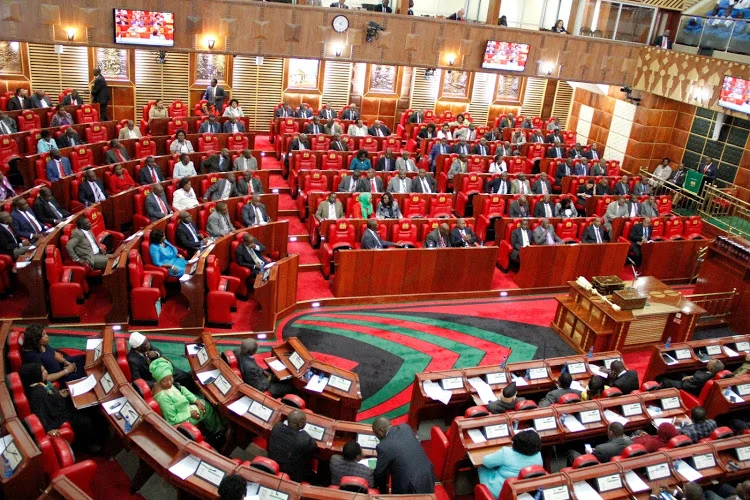
In a recent parliamentary session, Kenyan Members of Parliament (MPs) turned down a proposal aimed at expanding the powers of the Kenya Revenue Authority (KRA). This move reflects ongoing tensions between enhancing tax enforcement and safeguarding parliamentary oversight.
Over concerns of diminished oversight, MPs reject KRA empowerment
The proposal, which sought to grant KRA broader authority in tax collection and enforcement, faced stiff resistance from MPs who expressed apprehension about potential overreach. Critics argued that increasing KRA's powers might compromise legislative oversight and accountability, essential pillars of Kenya's governance framework.
While proponents of the proposal emphasized the need for more efficient revenue collection to fund national development projects, opponents cautioned that without proper checks and balances, such powers could be misused, leading to overreach and abuse. The rejection by MPs highlights the ongoing debate on balancing effective tax administration with oversight.
This decision has significant implications for Kenya's tax policy and governance landscape. It underscores MPs' concerns about maintaining oversight over agencies with expanded powers and reflects broader national discussions on governance and accountability.
The outcome of this debate will likely influence future policy proposals aimed at reforming Kenya's revenue collection agencies and their powers, emphasizing the need for transparent and accountable governance structures.