Kenya has joined a growing number of countries calling for a moratorium on deep seabed mining, citing the need for stronger scientific evidence and robust environmental safeguards before commercial extraction of minerals from the ocean floor is permitted. The move aligns Kenya with nations advocating for a precautionary approach at international discussions under the International Seabed Authority (ISA), the United Nations body responsible for regulating mining activities in areas of the seabed beyond national jurisdiction.
Concerns Over Marine Ecosystems
Deep seabed mining targets valuable minerals such as cobalt, nickel, copper and manganese, which are used in the production of electric vehicle batteries, renewable energy technologies and other high-tech products.
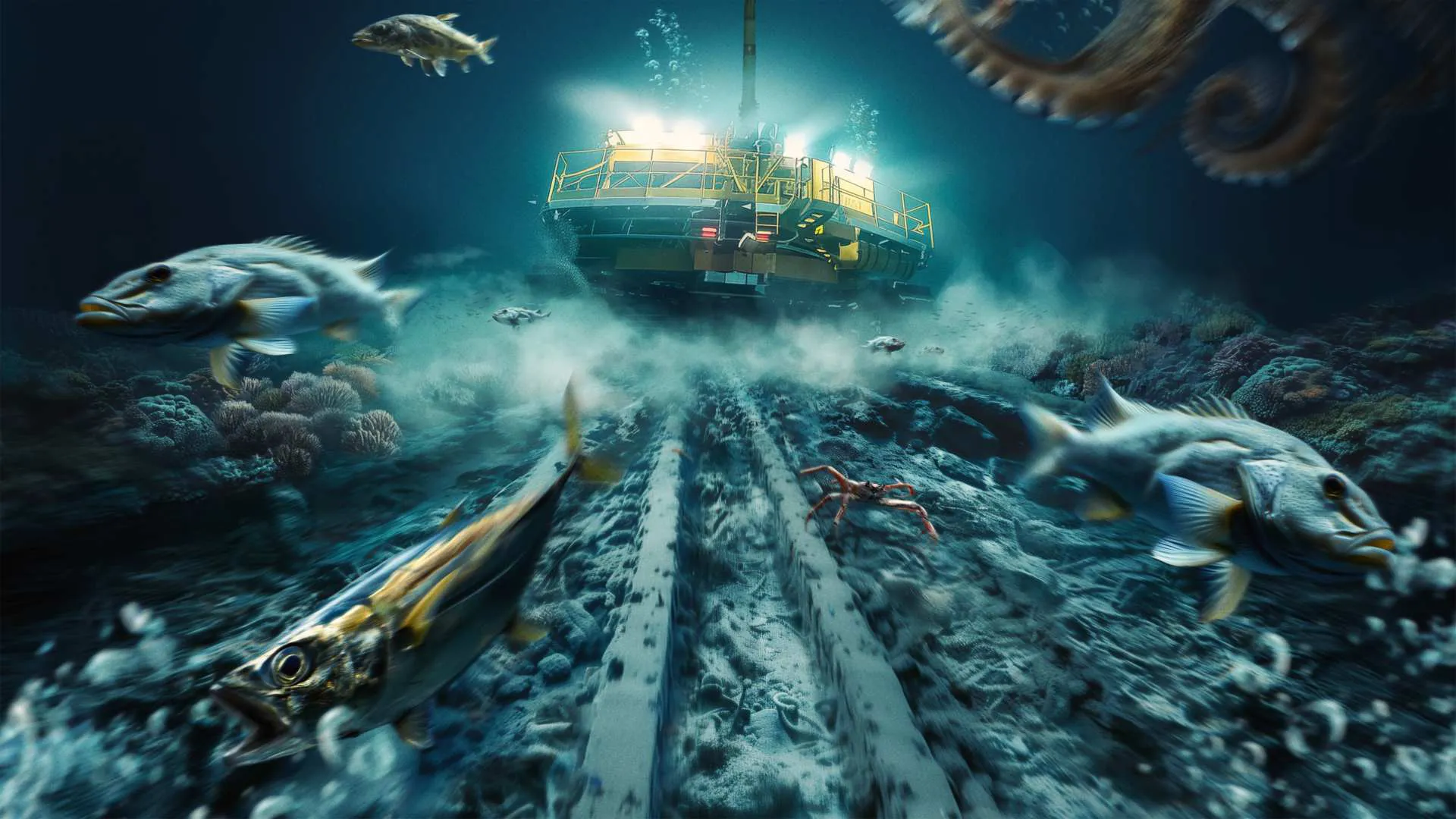
However, scientists and environmental groups have warned that mining activities could cause irreversible damage to fragile deep-sea ecosystems that remain largely unexplored. Concerns include the destruction of marine habitats, loss of biodiversity, sediment plumes and potential disruption of ocean processes that help regulate the Earth's climate.
Growing International Support
Kenya's position adds to the increasing number of countries supporting a moratorium or precautionary pause on deep seabed mining until sufficient scientific knowledge is available and an effective regulatory framework is in place.
Supporters of the moratorium argue that commercial mining should not begin until the environmental risks are fully understood and measures are established to prevent irreversible harm to the marine environment.
Balancing Development and Conservation
While proponents of deep seabed mining argue that the minerals are essential for the global clean energy transition, countries backing the moratorium maintain that economic opportunities should not come at the expense of ocean health.
Kenya's support reflects its commitment to sustainable ocean governance and the protection of marine biodiversity while international negotiations on seabed mining regulations continue under the International Seabed Authority.