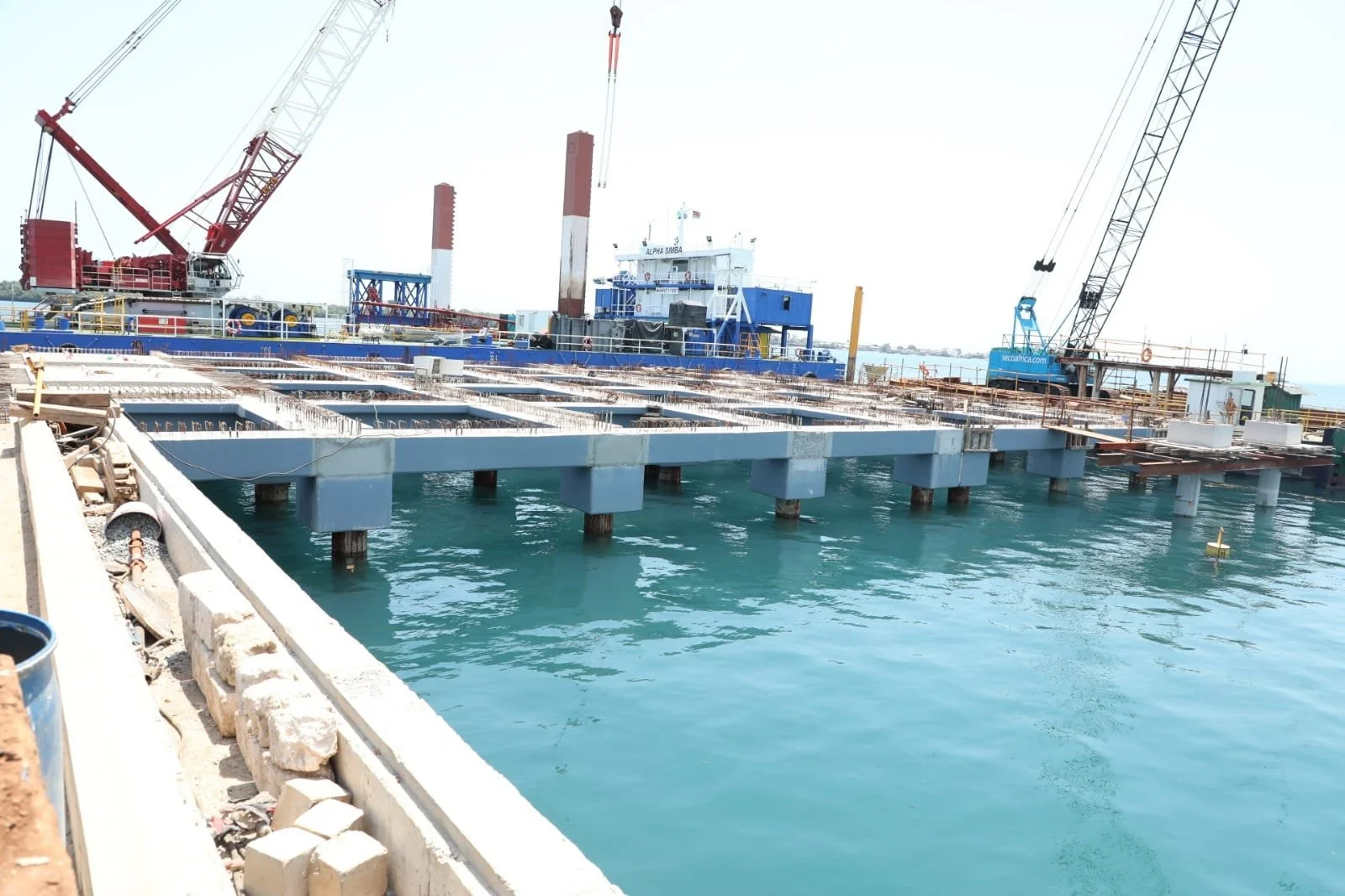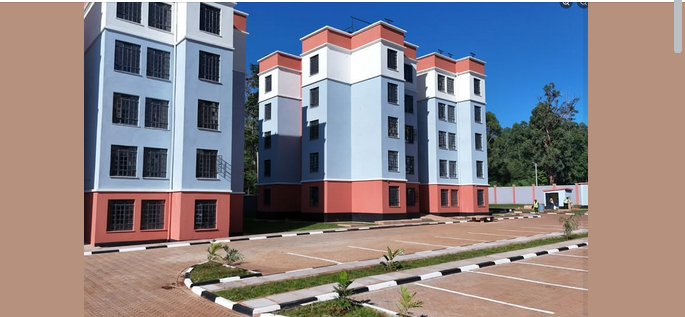
Kenya’s Affordable Housing Programme (AHP), a key pillar of the Bottom-Up Economic Transformation Agenda, is rapidly evolving into a central driver of economic transformation. While primarily designed to address the country’s housing deficit, the initiative is increasingly delivering far-reaching benefits across multiple sectors of the economy.
Economic Growth and Sector Expansion
The housing sector continues to demonstrate one of the strongest multiplier effects in the economy—estimated at nearly seven times the initial investment. This positions AHP as a high-impact vehicle for GDP growth.
During the deploying of the Graduate interns, the President said that "Our economy is way different from what is was in 2022. Iflation has come down from 9.6% to 4.5%, our dollar exchange rate that has gone al the way to 165 is now currently at 129.00 and still coming down". said William Ruto.
Economic Growth and Sector Expansion
The housing sector continues to demonstrate one of the strongest multiplier effects in the economy—estimated at nearly seven times the initial investment. This positions AHP as a high-impact vehicle for GDP growth.
During the deploying of the Graduate interns, the President said that "Our economy is way different from what is was in 2022. Iflation has come down from 9.6% to 4.5%, our dollar exchange rate that has gone al the way to 165 is now currently at 129.00 and still coming down". said William Ruto.
Increased construction activity has significantly boosted demand for essential materials such as cement, steel, and electrical components, sustaining momentum in the broader construction industry. Additionally, the programme is formalizing the informal Jua Kali sector by integrating artisans into structured production systems, improving efficiency, incomes, and overall economic contribution.
Employment Creation and Local Economic Stimulation
The AHP has emerged as one of the government’s leading job creation platforms, generating over 206,000 direct and indirect employment opportunities since 2022. These span across professional and technical fields, including architecture, engineering, masonry, plumbing, and electrical work. Beyond direct employment, construction sites are stimulating surrounding micro-economies. Small businesses such as food vendors and transport providers are benefiting from increased demand, reinforcing the programme’s grassroots economic impact.
The AHP has emerged as one of the government’s leading job creation platforms, generating over 206,000 direct and indirect employment opportunities since 2022. These span across professional and technical fields, including architecture, engineering, masonry, plumbing, and electrical work. Beyond direct employment, construction sites are stimulating surrounding micro-economies. Small businesses such as food vendors and transport providers are benefiting from increased demand, reinforcing the programme’s grassroots economic impact.
Household Income and Consumer Spending
By targeting housing costs below 30% of household income, the programme is easing financial pressure on Kenyan families. This shift allows households to redirect income toward essential services such as healthcare, education, and retail consumption.
Home ownership also plays a critical role in wealth creation. It provides long-term financial security, reduces inequality, and strengthens the country’s middle-income segment.
By targeting housing costs below 30% of household income, the programme is easing financial pressure on Kenyan families. This shift allows households to redirect income toward essential services such as healthcare, education, and retail consumption.
Home ownership also plays a critical role in wealth creation. It provides long-term financial security, reduces inequality, and strengthens the country’s middle-income segment.
Strengthening the Financial Sector
The programme is supporting financial sector deepening through institutions such as the Kenya Mortgage Refinance Company (KMRC), which provides long-term, low-cost funding to banks and SACCOs. This has expanded access to mortgage financing, particularly for low- and middle-income earners. KMRC bond issuances are creating new investment avenues within the Nairobi Securities Exchange, enhancing capital market activity and investor participation.
The programme is supporting financial sector deepening through institutions such as the Kenya Mortgage Refinance Company (KMRC), which provides long-term, low-cost funding to banks and SACCOs. This has expanded access to mortgage financing, particularly for low- and middle-income earners. KMRC bond issuances are creating new investment avenues within the Nairobi Securities Exchange, enhancing capital market activity and investor participation.
Urban Development and Long-Term Revenue Growth
With nearly half of Kenya’s urban population living in informal settlements, the AHP is expected to play a critical role in reducing slum proliferation. Improved housing conditions are closely linked to better health outcomes and lower long-term social costs.
Although developers benefit from targeted tax incentives, the resulting economic expansion is projected to broaden the national tax base through increased employment, business activity, and consumer spending.
Despite its progress, the programme faces structural challenges that could impact its long-term effectiveness: Unsold Units: Thousands of completed housing units remain unoccupied, raising concerns about affordability and demand alignment. Financing Constraints: High interest rates and inflation continue to limit mortgage accessibility for many Kenyans.
With nearly half of Kenya’s urban population living in informal settlements, the AHP is expected to play a critical role in reducing slum proliferation. Improved housing conditions are closely linked to better health outcomes and lower long-term social costs.
Although developers benefit from targeted tax incentives, the resulting economic expansion is projected to broaden the national tax base through increased employment, business activity, and consumer spending.
Despite its progress, the programme faces structural challenges that could impact its long-term effectiveness: Unsold Units: Thousands of completed housing units remain unoccupied, raising concerns about affordability and demand alignment. Financing Constraints: High interest rates and inflation continue to limit mortgage accessibility for many Kenyans.
The Affordable Housing Programme is redefining housing as an economic growth engine rather than a purely social good. Its success will depend on improving affordability, enhancing financing mechanisms, and ensuring supply matches actual market demand. If these challenges are addressed, AHP has the potential to anchor Kenya’s transition toward a more inclusive, resilient, and growth-oriented economy.