Endometriosis is a chronic and often painful condition that affects millions of women worldwide, yet it remains widely misunderstood and underdiagnosed. Many women silently endure its symptoms, mistaking them for normal menstrual pain, which delays diagnosis and treatment.
Raising awareness about endometriosis is essential—not just for early detection, but also for empowering women to seek the care they deserve.
What is Endometriosis?
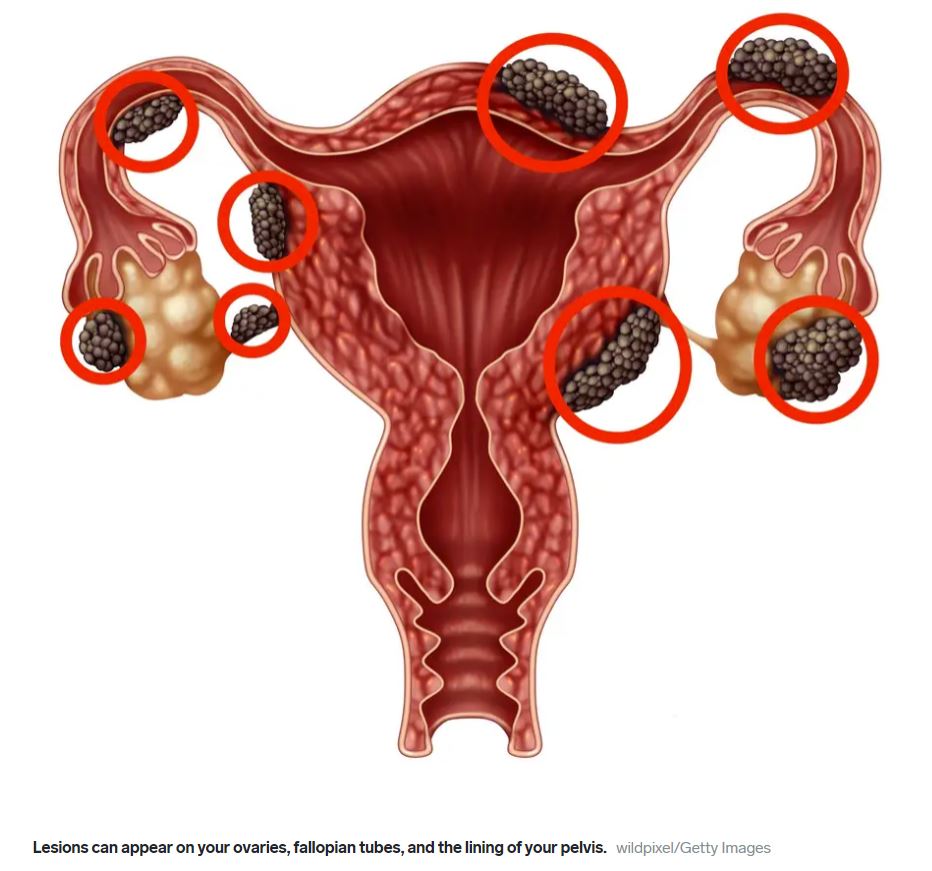
Endometriosis occurs when tissue similar to the lining of the uterus (endometrium) grows outside the uterus. These growths can be found on the ovaries, fallopian tubes, outer surface of the uterus, and other organs within the pelvis.
Unlike normal uterine lining that sheds during menstruation, this misplaced tissue has no way to exit the body. As a result, it becomes trapped, leading to inflammation, pain, and the formation of scar tissue (adhesions).
Common Symptoms
The symptoms of endometriosis can vary from mild to severe, and in some cases, women may have no symptoms at all. Common signs include:
Severe menstrual cramps that worsen over time
Chronic pelvic pain
Pain during or after intercourse
Heavy or irregular menstrual bleeding
Pain during urination or bowel movements (especially during periods)
Infertility or difficulty getting pregnant
Fatigue, bloating, nausea, or digestive discomfort
It is important to note that severe pain is not normal and should always be medically evaluated.
What Causes Endometriosis?
The exact cause of endometriosis is not fully understood, but several theories exist:
Retrograde menstruation – menstrual blood flows backward into the pelvic cavity
Genetic factors – it can run in families
Immune system disorders – the body fails to eliminate misplaced tissue
Hormonal influences – estrogen promotes the growth of endometrial tissue
Risk Factors
Certain factors may increase the likelihood of developing endometriosis:
Family history of the condition
Early onset of menstruation
Short menstrual cycles
Heavy or prolonged periods
Never having given birth
Complications
If left untreated, endometriosis can lead to serious complications, including:
Infertility – one of the leading causes of infertility in women
Chronic pain affecting daily life
Formation of adhesions and scar tissue
Emotional and mental health challenges such as anxiety or depression
Diagnosis
Diagnosing endometriosis can be challenging because its symptoms often mimic other conditions.
Common methods include:
Detailed medical history and pelvic examination
Imaging tests such as ultrasound
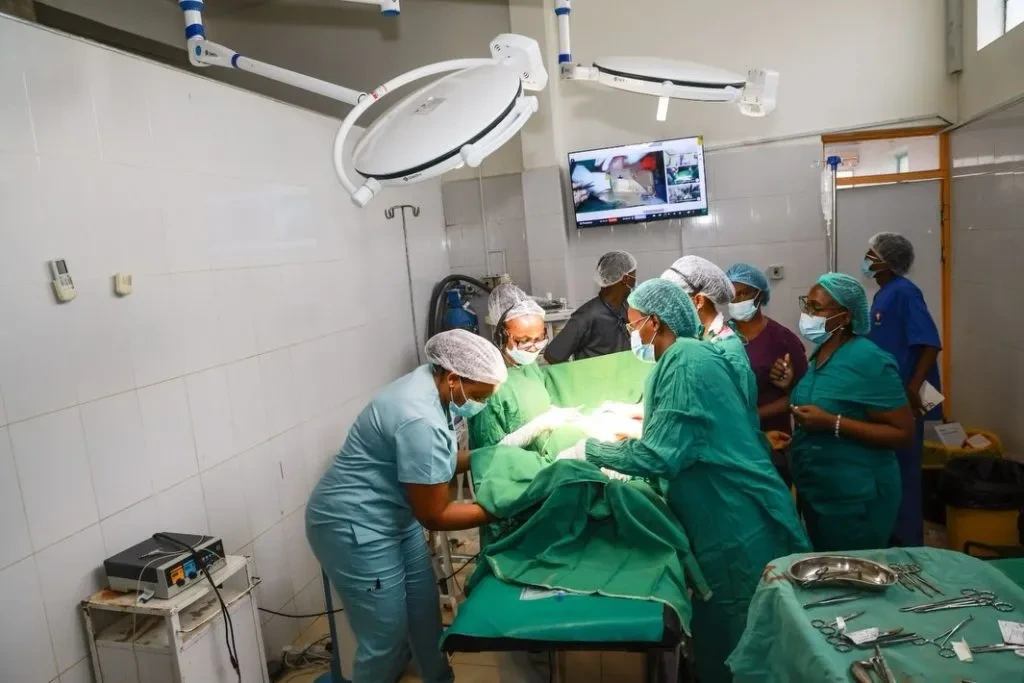
Laparoscopy (a minor surgical procedure) — the most definitive way to confirm the condition
Treatment Options
While there is no permanent cure, treatment focuses on managing symptoms and improving quality of life.
1. Pain Management
Over-the-counter pain relievers such as Ibuprofen
Prescription medications for more severe pain
2. Hormonal Therapy
Birth control pills
Hormonal injections or implants
These help reduce or stop menstruation, slowing the growth of endometrial tissue
3. Surgery
Laparoscopic surgery to remove endometrial tissue
In severe cases, more extensive surgery may be required
4. Fertility Treatment
For women trying to conceive, assisted reproductive options may be considered
Living with Endometriosis
Managing endometriosis goes beyond medical treatment. Lifestyle adjustments can also help:
Maintaining a healthy diet
Regular exercise
Stress management through relaxation techniques and prayer or meditation
Building a support system of family, friends, or support groups
Why Awareness Matters
In many communities, including parts of Kenya, menstrual pain is often normalized, causing many women to suffer in silence. This delay in seeking care can worsen the condition over time.
Creating awareness helps women recognize symptoms early, seek medical attention, and advocate for their health.
Conclusion
Endometriosis is not just “bad period pain”—it is a serious medical condition that deserves attention, compassion, and proper care. No woman should have to suffer in silence or feel that her pain is insignificant.
With the right knowledge, timely diagnosis, and supportive care, women living with endometriosis can lead full, healthy, and empowered lives.
Raising awareness about endometriosis is essential—not just for early detection, but also for empowering women to seek the care they deserve.
What is Endometriosis?
Endometriosis occurs when tissue similar to the lining of the uterus (endometrium) grows outside the uterus. These growths can be found on the ovaries, fallopian tubes, outer surface of the uterus, and other organs within the pelvis.
Unlike normal uterine lining that sheds during menstruation, this misplaced tissue has no way to exit the body. As a result, it becomes trapped, leading to inflammation, pain, and the formation of scar tissue (adhesions).
Common Symptoms
The symptoms of endometriosis can vary from mild to severe, and in some cases, women may have no symptoms at all. Common signs include:
Severe menstrual cramps that worsen over time
Chronic pelvic pain
Pain during or after intercourse
Heavy or irregular menstrual bleeding
Pain during urination or bowel movements (especially during periods)
Infertility or difficulty getting pregnant
Fatigue, bloating, nausea, or digestive discomfort
It is important to note that severe pain is not normal and should always be medically evaluated.
What Causes Endometriosis?
The exact cause of endometriosis is not fully understood, but several theories exist:
Retrograde menstruation – menstrual blood flows backward into the pelvic cavity
Genetic factors – it can run in families
Immune system disorders – the body fails to eliminate misplaced tissue
Hormonal influences – estrogen promotes the growth of endometrial tissue
Risk Factors
Certain factors may increase the likelihood of developing endometriosis:
Family history of the condition
Early onset of menstruation
Short menstrual cycles
Heavy or prolonged periods
Never having given birth
Complications
If left untreated, endometriosis can lead to serious complications, including:
Infertility – one of the leading causes of infertility in women
Chronic pain affecting daily life
Formation of adhesions and scar tissue
Emotional and mental health challenges such as anxiety or depression
Diagnosis
Diagnosing endometriosis can be challenging because its symptoms often mimic other conditions.
Common methods include:
Detailed medical history and pelvic examination
Imaging tests such as ultrasound
Laparoscopy (a minor surgical procedure) — the most definitive way to confirm the condition
Treatment Options
While there is no permanent cure, treatment focuses on managing symptoms and improving quality of life.
1. Pain Management
Over-the-counter pain relievers such as Ibuprofen
Prescription medications for more severe pain
2. Hormonal Therapy
Birth control pills
Hormonal injections or implants
These help reduce or stop menstruation, slowing the growth of endometrial tissue
3. Surgery
Laparoscopic surgery to remove endometrial tissue
In severe cases, more extensive surgery may be required
4. Fertility Treatment
For women trying to conceive, assisted reproductive options may be considered
Living with Endometriosis
Managing endometriosis goes beyond medical treatment. Lifestyle adjustments can also help:
Maintaining a healthy diet
Regular exercise
Stress management through relaxation techniques and prayer or meditation
Building a support system of family, friends, or support groups
Why Awareness Matters
In many communities, including parts of Kenya, menstrual pain is often normalized, causing many women to suffer in silence. This delay in seeking care can worsen the condition over time.
Creating awareness helps women recognize symptoms early, seek medical attention, and advocate for their health.
Conclusion
Endometriosis is not just “bad period pain”—it is a serious medical condition that deserves attention, compassion, and proper care. No woman should have to suffer in silence or feel that her pain is insignificant.
With the right knowledge, timely diagnosis, and supportive care, women living with endometriosis can lead full, healthy, and empowered lives.