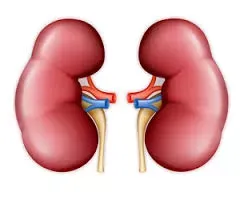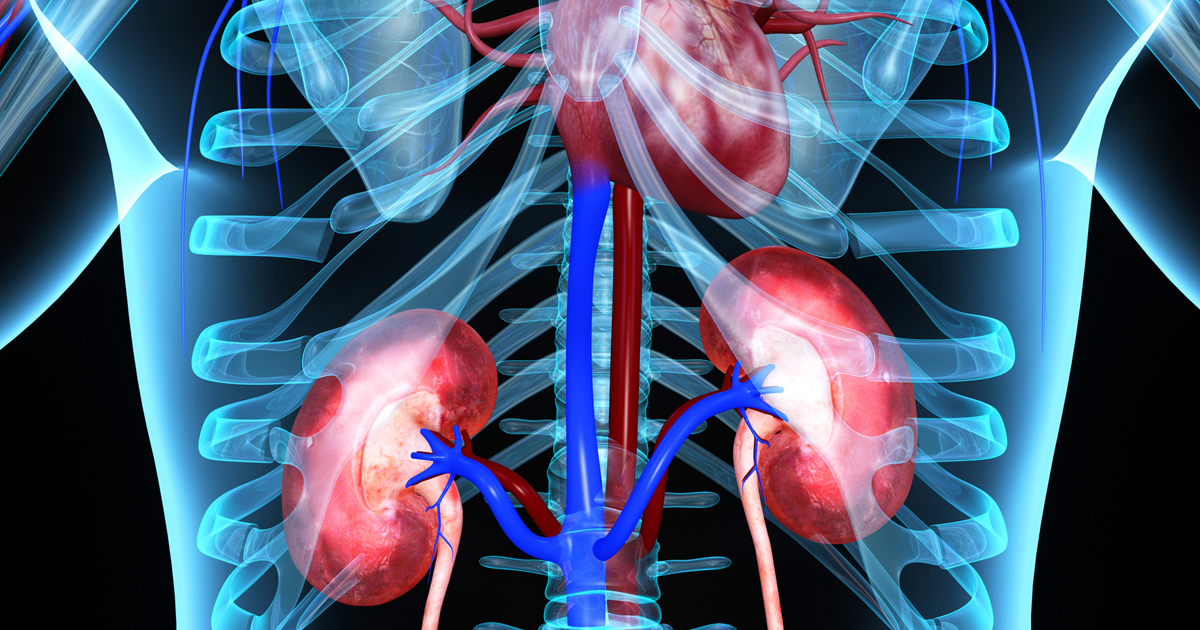
Dialysis cost in Kenya remains a major concern for patients living with kidney disease. With each session costing between Ksh 9,500 and Ksh 12,000, many families rely the Social Health Authority (SHA) for support. Is it really significant ?And how much does it truly cover?and what costs do patients still bear?
Understanding Dialysis Costs
Dialysis is not a one-time treatment rather it is a continuous process that replaces the function of failing kidneys. In most Kenyan facilities, a single dialysis session costs between Ksh 9,500 and Ksh 12,000.
For many patients, this treatment requires twice a week, translating to a weekly cost of approximately Ksh 19,000 to over Ksh 20,000. Over time, this becomes a heavy financial commitment, especially for households without stable income.
Relief Through SHA?
A measure of relief through government-backed health coverage. Social Health Authority (SHA) have stepped in to ease this burden.
Currently, SHA covers:Up to 8 dialysis sessions per month (equivalent to two sessions per week)associated laboratory tests,blood boosters and essential supportive care.This coverage has significantly improved access to treatment, especially for low- and middle-income patients. However, it does not eliminate all expenses.
Hidden and Additional Costs
Even with insurance coverage(SHA), patients still face several out-of-pocket expenses, including:Transport to and from dialysis centers, often multiple times a week,specialized medications, such as:immunosuppressants,Nutritional support and supplements adding in occasional additional medical tests not covered by insurance.
These indirect costs can quietly accumulate, placing further strain on families already navigating a difficult health journey.
Kidney Transplant: A Long-Term Alternative?
For some patients, a kidney transplant offers a more permanent solution. However, the cost remaining a major barrier,for public hospitals charging Approximately Ksh 500,000 and private hospitals charging between Ksh 1.5 million and Ksh 2 million. The Average overall cost: Around Ksh 1 million to Ksh 1.25 million, excluding lifelong post-transplant medication.
While a transplant may reduce the need for ongoing dialysis, it introduces new financial and medical responsibilities, particularly the cost of maintaining the transplanted organ.
A Call for Greater Support
The progress made through SHA is commendable, but there is still a need for things like expanded coverage for medications and transport,Increased public awareness on kidney health and early screening and investment in more dialysis centers to reduce travel burdens.
In conclusion
Dialysis is more than a medical procedure,it is a journey of resilience. Behind every session is a patient choosing life, despite the financial and emotional cost.
As a society, there is a call to extend compassion, improve healthcare systems, and ensure that no Kenyan has to choose between survival and financial stability.
Understanding Dialysis Costs
Dialysis is not a one-time treatment rather it is a continuous process that replaces the function of failing kidneys. In most Kenyan facilities, a single dialysis session costs between Ksh 9,500 and Ksh 12,000.
For many patients, this treatment requires twice a week, translating to a weekly cost of approximately Ksh 19,000 to over Ksh 20,000. Over time, this becomes a heavy financial commitment, especially for households without stable income.
Relief Through SHA?
A measure of relief through government-backed health coverage. Social Health Authority (SHA) have stepped in to ease this burden.
Currently, SHA covers:Up to 8 dialysis sessions per month (equivalent to two sessions per week)associated laboratory tests,blood boosters and essential supportive care.This coverage has significantly improved access to treatment, especially for low- and middle-income patients. However, it does not eliminate all expenses.
Hidden and Additional Costs
Even with insurance coverage(SHA), patients still face several out-of-pocket expenses, including:Transport to and from dialysis centers, often multiple times a week,specialized medications, such as:immunosuppressants,Nutritional support and supplements adding in occasional additional medical tests not covered by insurance.
These indirect costs can quietly accumulate, placing further strain on families already navigating a difficult health journey.
Kidney Transplant: A Long-Term Alternative?
For some patients, a kidney transplant offers a more permanent solution. However, the cost remaining a major barrier,for public hospitals charging Approximately Ksh 500,000 and private hospitals charging between Ksh 1.5 million and Ksh 2 million. The Average overall cost: Around Ksh 1 million to Ksh 1.25 million, excluding lifelong post-transplant medication.
While a transplant may reduce the need for ongoing dialysis, it introduces new financial and medical responsibilities, particularly the cost of maintaining the transplanted organ.
A Call for Greater Support
The progress made through SHA is commendable, but there is still a need for things like expanded coverage for medications and transport,Increased public awareness on kidney health and early screening and investment in more dialysis centers to reduce travel burdens.
In conclusion
Dialysis is more than a medical procedure,it is a journey of resilience. Behind every session is a patient choosing life, despite the financial and emotional cost.
As a society, there is a call to extend compassion, improve healthcare systems, and ensure that no Kenyan has to choose between survival and financial stability.