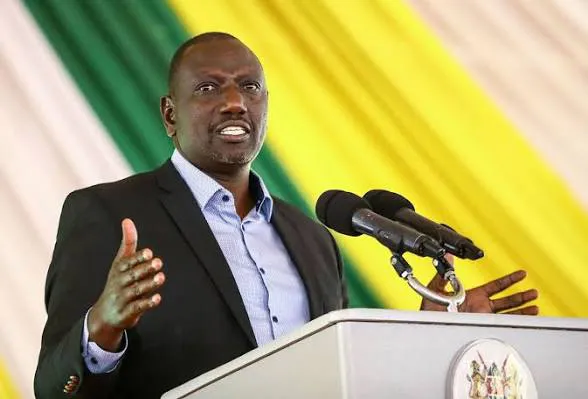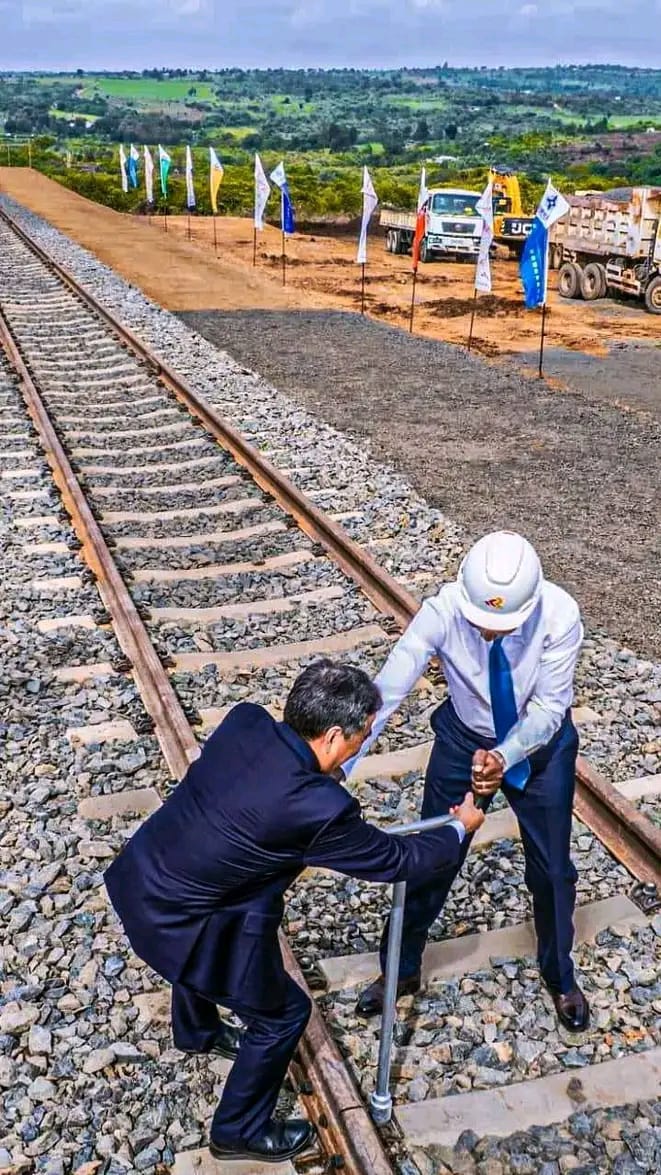
A growing political narrative is emerging around development in Western Kenya, with supporters of William Ruto arguing that the region is finally receiving long-overdue infrastructure and economic attention. For decades, parts of Western Kenya have been perceived by some leaders and residents as marginalized, with limited access to major transport networks and national markets. Today, however, new projects and policy directions are reshaping that conversation.
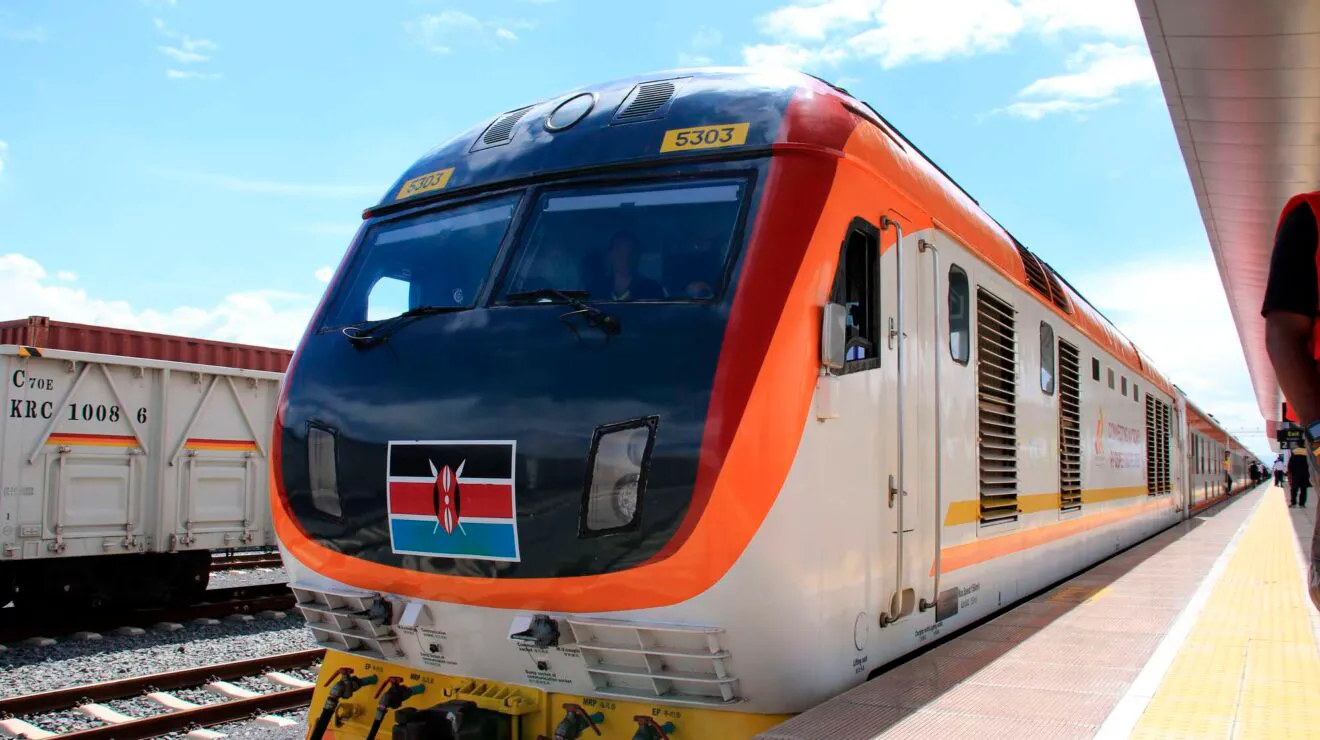
At the center of this debate are key infrastructure developments, including the upgrade of the Nairobi–Nakuru–Mau Summit Road and the planned extension of the Standard Gauge Railway (SGR) from Naivasha through Kisumu to Malaba. These projects are seen by proponents as transformative, aimed at improving connectivity between Western Kenya and the rest of the country, particularly the capital, Nairobi.
Supporters say the expansion of the SGR toward Kisumu and onward to Malaba could significantly boost trade by linking the region more efficiently to both local and regional markets. Kisumu, a key economic hub near Lake Victoria, stands to benefit from increased movement of goods and people, while Malaba serves as a strategic gateway for cross-border trade with neighboring countries.
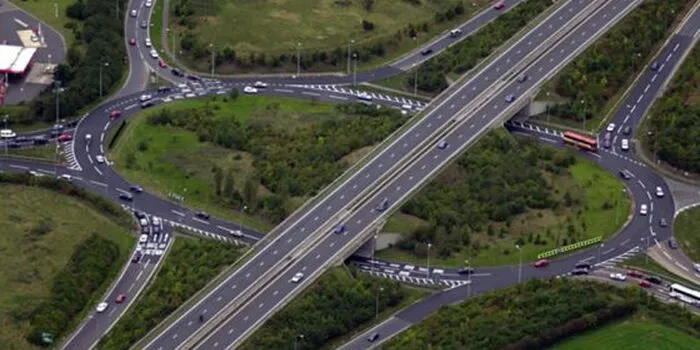
Similarly, the Nairobi–Nakuru–Mau Summit Road project is expected to ease transport challenges along one of Kenya’s busiest corridors. The road connects agricultural regions in the Rift Valley and Western Kenya to Nairobi, offering farmers better access to markets and reducing travel time and costs. For many in farming communities, improved infrastructure could mean higher profits and less post-harvest loss.
Those backing the current administration argue that such investments represent a deliberate effort to address historical imbalances. They claim that in the past, some regions—particularly in Central Kenya, including areas like Nyeri—benefited from more developed road networks and closer proximity to key markets. This, they say, gave those areas a competitive advantage, especially in agriculture and trade.
However, this perspective is not without controversy. Critics caution against framing development in a way that appears to pit one region against another. They emphasize that national projects are funded by taxpayers from all parts of the country and should benefit all Kenyans equally. Additionally, some analysts note that infrastructure expansion has been an ongoing effort across multiple administrations, not the work of a single leader.
Political observers also highlight that perceptions of marginalization are complex and often shaped by historical, economic, and social factors. While some communities in Western Kenya may feel underserved, others argue that progress has been made over the years in areas such as education, health, and devolution funding.
Still, there is little doubt that improved infrastructure can play a crucial role in economic growth. Roads and railways open up regions, attract investment, and create opportunities for businesses and farmers alike. If successfully implemented, the SGR extension and road upgrades could enhance regional integration and strengthen Kenya’s position as a trade hub in East Africa.
For residents of Western Kenya, the ongoing developments offer both hope and questions. Will these projects deliver the promised economic benefits? Will they be completed on time and maintained effectively? And how will they shape the region’s future in the long term?
As the conversation continues, one thing remains clear: development remains a powerful and often emotional issue in Kenyan politics. Whether viewed as a corrective measure or part of broader national growth, the focus on Western Kenya underscores the importance of inclusive progress that leaves no region behind.
In the end, the success of these projects will likely be judged not by political narratives, but by their real impact on the lives of ordinary Kenyans—farmers accessing markets, traders expanding businesses, and communities experiencing improved connectivity and opportunity.