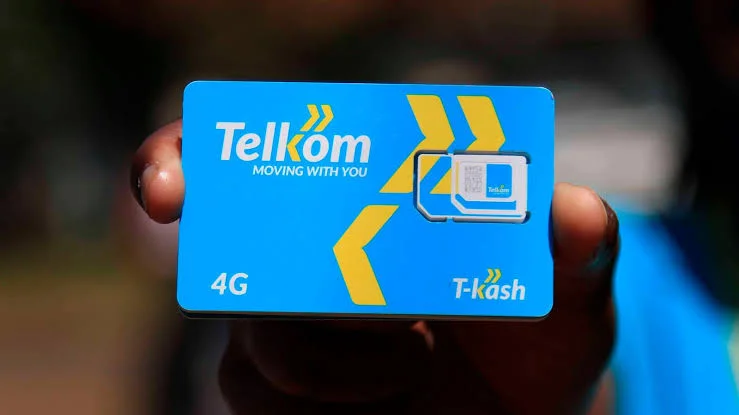
A landmark case currently before the courts is raising critical legal and constitutional questions about the nature of digital identity, the rights of prisoners, and the role mobile technology plays in modern society. At the center of the dispute is whether prisoners are entitled to retain access to their registered mobile phone numbers and, by extension, their digital identities, while serving sentences in custody.
The petitioner in the case has argued that the right to digital identity is increasingly recognized as fundamental in a society where most essential services—from banking to healthcare, social welfare, and even voting registration—are now accessed digitally. They maintain that denying prisoners access to mobile phones and their associated numbers constitutes an infringement on these rights. The argument emphasizes that no existing law explicitly forbids inmates from owning or using mobile phones, and therefore blanket prohibitions could be considered unconstitutional.
“Digital identity is no longer an optional part of citizenship; it is essential for participation in society,” the petitioner’s legal team stated in court documents. “Restricting access to mobile numbers and digital platforms effectively erases an individual’s identity from the digital sphere and creates unnecessary barriers to reintegration after incarceration.”
The case also raises broader questions about the balance between security concerns in correctional facilities and the protection of constitutional rights. Prison authorities commonly cite the potential misuse of mobile phones—such as facilitating criminal activity, planning escapes, or conducting harassment outside the prison walls—as justification for strict restrictions. However, the petitioner contends that these concerns do not override the rights of inmates, particularly when there are alternative ways to ensure security, such as controlled access programs, secure communication devices, or monitored networks.
Legal experts following the case suggest that the court’s ruling could have far-reaching implications. If the court recognizes mobile phone access as part of the broader concept of digital identity, it could prompt prisons to reevaluate policies that currently restrict communication and digital engagement. Such a precedent could also influence legislation and policy in areas beyond correctional facilities, potentially reshaping the understanding of digital rights as constitutionally protected.
Prisoners’ rights advocates have welcomed the case as an opportunity to challenge systemic limitations that extend beyond mobile phone access. They argue that the digital divide disproportionately affects incarcerated populations, limiting their ability to maintain connections with family, access educational resources, and prepare for life after release. The lack of access to digital tools can compound social exclusion and hinder rehabilitation, they say, which contradicts broader principles of justice and human rights.
Critics of the petition warn, however, that unrestricted access could pose significant security risks. They point to instances where mobile phones have been used to coordinate criminal activities from within correctional facilities. Yet, proponents of the petitioner’s argument emphasize that technological solutions, such as encrypted prison communication systems and monitored digital networks, can provide inmates with access while mitigating risks.
The petitioner’s argument also touches on the evolving legal concept of “digital identity,” a term that has gained prominence as societies worldwide become increasingly digitized. Digital identity encompasses more than just a mobile phone number; it includes online profiles, banking credentials, social media accounts, and other forms of digital representation. In today’s world, the absence of access to these identifiers can have tangible consequences, from being unable to receive government benefits to losing touch with professional networks. The petitioner’s lawyers argue that prisoners, as citizens, retain a stake in these systems and that denying them access amounts to a form of disenfranchisement.
The judiciary will have to weigh several complex factors: the constitutional protection of individual rights, the practical considerations of maintaining security in prisons, and the societal shift toward digital engagement. A ruling in favor of the petitioner could establish that digital identity is indeed a protected right and that mobile phone ownership—or controlled access to communication tools—is a legitimate extension of that right.
Legal scholars are closely watching the case as part of a broader global trend in which courts are being asked to consider how constitutional and human rights apply in the digital era. In some jurisdictions, digital rights are explicitly recognized, while in others, they are interpreted through broader principles of privacy, freedom of expression, and equal access to essential services. The outcome of this case could influence the development of similar policies not only in Kenya but across the region.
Ultimately, the case presents a fundamental question: can the law evolve to reflect the realities of a digital society, where access to mobile technology is increasingly inseparable from one’s identity and civic participation? As the court deliberates, the ruling may redefine the boundaries between individual rights and institutional authority, potentially setting a precedent for how digital access is treated in correctional contexts.
For now, the debate continues, highlighting the tension between security concerns and the recognition of prisoners as fully enfranchised citizens in the digital age. Whether mobile phone numbers and broader digital identities will be protected under the constitution remains to be seen, but the case underscores a crucial truth: as society becomes increasingly digital, the law must keep pace or risk leaving vulnerable populations behind.
The petitioner in the case has argued that the right to digital identity is increasingly recognized as fundamental in a society where most essential services—from banking to healthcare, social welfare, and even voting registration—are now accessed digitally. They maintain that denying prisoners access to mobile phones and their associated numbers constitutes an infringement on these rights. The argument emphasizes that no existing law explicitly forbids inmates from owning or using mobile phones, and therefore blanket prohibitions could be considered unconstitutional.
“Digital identity is no longer an optional part of citizenship; it is essential for participation in society,” the petitioner’s legal team stated in court documents. “Restricting access to mobile numbers and digital platforms effectively erases an individual’s identity from the digital sphere and creates unnecessary barriers to reintegration after incarceration.”
The case also raises broader questions about the balance between security concerns in correctional facilities and the protection of constitutional rights. Prison authorities commonly cite the potential misuse of mobile phones—such as facilitating criminal activity, planning escapes, or conducting harassment outside the prison walls—as justification for strict restrictions. However, the petitioner contends that these concerns do not override the rights of inmates, particularly when there are alternative ways to ensure security, such as controlled access programs, secure communication devices, or monitored networks.
Legal experts following the case suggest that the court’s ruling could have far-reaching implications. If the court recognizes mobile phone access as part of the broader concept of digital identity, it could prompt prisons to reevaluate policies that currently restrict communication and digital engagement. Such a precedent could also influence legislation and policy in areas beyond correctional facilities, potentially reshaping the understanding of digital rights as constitutionally protected.
Prisoners’ rights advocates have welcomed the case as an opportunity to challenge systemic limitations that extend beyond mobile phone access. They argue that the digital divide disproportionately affects incarcerated populations, limiting their ability to maintain connections with family, access educational resources, and prepare for life after release. The lack of access to digital tools can compound social exclusion and hinder rehabilitation, they say, which contradicts broader principles of justice and human rights.
Critics of the petition warn, however, that unrestricted access could pose significant security risks. They point to instances where mobile phones have been used to coordinate criminal activities from within correctional facilities. Yet, proponents of the petitioner’s argument emphasize that technological solutions, such as encrypted prison communication systems and monitored digital networks, can provide inmates with access while mitigating risks.
The petitioner’s argument also touches on the evolving legal concept of “digital identity,” a term that has gained prominence as societies worldwide become increasingly digitized. Digital identity encompasses more than just a mobile phone number; it includes online profiles, banking credentials, social media accounts, and other forms of digital representation. In today’s world, the absence of access to these identifiers can have tangible consequences, from being unable to receive government benefits to losing touch with professional networks. The petitioner’s lawyers argue that prisoners, as citizens, retain a stake in these systems and that denying them access amounts to a form of disenfranchisement.
The judiciary will have to weigh several complex factors: the constitutional protection of individual rights, the practical considerations of maintaining security in prisons, and the societal shift toward digital engagement. A ruling in favor of the petitioner could establish that digital identity is indeed a protected right and that mobile phone ownership—or controlled access to communication tools—is a legitimate extension of that right.
Legal scholars are closely watching the case as part of a broader global trend in which courts are being asked to consider how constitutional and human rights apply in the digital era. In some jurisdictions, digital rights are explicitly recognized, while in others, they are interpreted through broader principles of privacy, freedom of expression, and equal access to essential services. The outcome of this case could influence the development of similar policies not only in Kenya but across the region.
Ultimately, the case presents a fundamental question: can the law evolve to reflect the realities of a digital society, where access to mobile technology is increasingly inseparable from one’s identity and civic participation? As the court deliberates, the ruling may redefine the boundaries between individual rights and institutional authority, potentially setting a precedent for how digital access is treated in correctional contexts.
For now, the debate continues, highlighting the tension between security concerns and the recognition of prisoners as fully enfranchised citizens in the digital age. Whether mobile phone numbers and broader digital identities will be protected under the constitution remains to be seen, but the case underscores a crucial truth: as society becomes increasingly digital, the law must keep pace or risk leaving vulnerable populations behind.