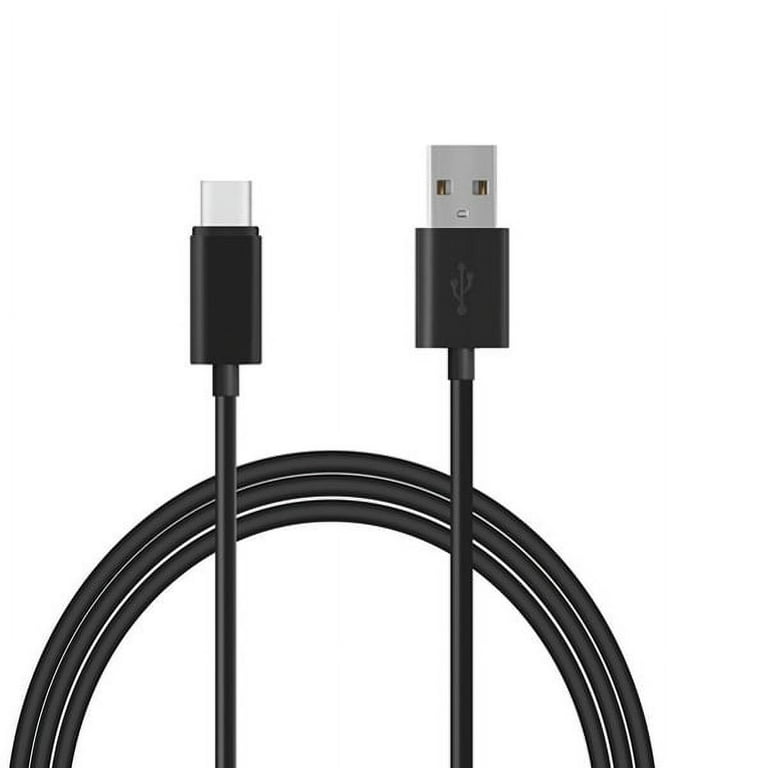
The Kenyan government’s push for all citizens to migrate to USB Type-C chargers is part of a wider global movement toward standardizing technology in a way that benefits consumers, protects the environment, and supports economic efficiency. While at first glance this may seem like a simple technical adjustment, it actually reflects deeper changes in how the world is approaching digital devices, sustainability, and user experience.
For many years, the technology industry has operated without a universal charging standard. Different manufacturers designed their own charging ports, leading to a situation where one household could have multiple chargers that are not interchangeable. Phones used Micro-USB, others used proprietary cables, and some devices required entirely unique charging systems. This lack of uniformity created confusion and inconvenience, especially as more people began owning multiple devices. In Kenya, where smartphone usage has grown rapidly over the past decade, this issue has become more noticeable, with users juggling different chargers for phones, power banks, wireless earphones, and even laptops.
One of the strongest reasons behind the government’s decision is the need to reduce electronic waste. E-waste is one of the fastest-growing waste streams in the world, and Kenya is no exception. Old chargers, cables, and accessories are often discarded when people upgrade their devices. Because these items are made of plastic, metal, and other materials that are not easily biodegradable, they can harm the environment if not properly recycled. Unfortunately, recycling systems are not always accessible or efficient, meaning many of these discarded chargers end up in landfills or informal dumping sites.
By promoting USB Type-C as a universal standard, the government aims to significantly cut down on the number of chargers that are thrown away. When one cable can work across multiple devices, people are less likely to discard old accessories. Over time, this can lead to a noticeable reduction in waste, helping Kenya move toward more sustainable environmental practices. This effort also aligns with global environmental goals aimed at reducing pollution and conserving resources.
Convenience is another major factor driving this transition. Modern life is increasingly digital, and many Kenyans rely heavily on their devices for communication, business, education, and entertainment. Having to carry multiple chargers can be frustrating, especially for people who are always on the move. USB Type-C offers a simple solution by allowing one cable to charge a wide range of devices. Whether it is a smartphone, tablet, laptop, or wireless earbuds, users can rely on a single charger for all their needs.
This level of convenience is particularly important in a country like Kenya, where mobile technology plays a central role in daily life. From mobile banking to online learning, smartphones are essential tools. A universal charging system reduces stress and makes it easier for people to stay connected without worrying about compatibility issues.
The move is also influenced by international trends in the technology industry. Major global companies such as Apple, Samsung, and Google have already shifted to USB Type-C in most of their modern devices. This means that the majority of new smartphones, tablets, and laptops entering the Kenyan market are already compatible with this standard. By aligning with these global practices, Kenya ensures that it remains up to date with technological advancements and avoids being left behind.
Standardization also makes life easier for businesses. Importers, retailers, and manufacturers benefit from dealing with a single type of charging accessory instead of multiple variations. This simplifies supply chains, reduces storage costs, and minimizes confusion among customers. For small businesses that sell phone accessories, this can be especially beneficial, as it reduces the risk of stocking products that may quickly become outdated.
In terms of performance, USB Type-C offers clear advantages over older charging systems. It supports faster charging speeds, allowing devices to gain power more quickly. This is particularly useful in situations where time is limited, such as during work hours or while traveling. In addition, USB Type-C supports faster data transfer, making it easier to move large files between devices. For students, professionals, and content creators, this can improve productivity and efficiency.
Another important benefit is improved safety. The Kenyan market, like many others, has seen an influx of counterfeit and low-quality chargers. These products can pose serious risks, including overheating, device damage, and even fire hazards. When there are many different types of chargers, it becomes harder for regulators to enforce quality standards. A universal system like USB Type-C allows for better regulation, ensuring that chargers meet specific safety requirements before they reach consumers.
The transition also supports future innovation. USB Type-C is not just a charging cable—it is a versatile technology that can handle multiple functions. It can be used for charging, data transfer, video output, and even connecting devices to external displays. This flexibility makes it a long-term solution that can adapt to future technological developments. As Kenya continues to grow its digital economy, having a reliable and versatile standard in place will be increasingly important.
Despite these benefits, the shift to USB Type-C may present some challenges. Many Kenyans still use older devices that rely on Micro-USB or other charging systems. For these users, switching to USB Type-C may require purchasing new cables or upgrading their devices, which can be costly.
There may also be resistance from consumers who are comfortable with their current setup and do not see the immediate need for change.
To address these concerns, the transition is expected to be gradual. The government is likely to focus on ensuring that all new devices entering the market support USB Type-C, while allowing existing devices to phase out over time. This approach gives consumers the opportunity to adapt without feeling forced into sudden changes.
Public awareness will also play a key role in the success of this initiative. Educating citizens about the benefits of USB Type-C—such as convenience, safety, and environmental protection—can help build support for the transition. When people understand the long-term advantages, they are more likely to embrace the change.
In conclusion, the government’s push for USB Type-C chargers is a forward-thinking initiative aimed at simplifying technology, reducing environmental impact, and improving the overall user experience. While the transition may take time and require some adjustments, the long-term benefits are significant. From reducing electronic waste to enhancing convenience and supporting innovation, USB Type-C represents a step toward a more efficient and sustainable digital future for Kenya.
For many years, the technology industry has operated without a universal charging standard. Different manufacturers designed their own charging ports, leading to a situation where one household could have multiple chargers that are not interchangeable. Phones used Micro-USB, others used proprietary cables, and some devices required entirely unique charging systems. This lack of uniformity created confusion and inconvenience, especially as more people began owning multiple devices. In Kenya, where smartphone usage has grown rapidly over the past decade, this issue has become more noticeable, with users juggling different chargers for phones, power banks, wireless earphones, and even laptops.
One of the strongest reasons behind the government’s decision is the need to reduce electronic waste. E-waste is one of the fastest-growing waste streams in the world, and Kenya is no exception. Old chargers, cables, and accessories are often discarded when people upgrade their devices. Because these items are made of plastic, metal, and other materials that are not easily biodegradable, they can harm the environment if not properly recycled. Unfortunately, recycling systems are not always accessible or efficient, meaning many of these discarded chargers end up in landfills or informal dumping sites.
By promoting USB Type-C as a universal standard, the government aims to significantly cut down on the number of chargers that are thrown away. When one cable can work across multiple devices, people are less likely to discard old accessories. Over time, this can lead to a noticeable reduction in waste, helping Kenya move toward more sustainable environmental practices. This effort also aligns with global environmental goals aimed at reducing pollution and conserving resources.
Convenience is another major factor driving this transition. Modern life is increasingly digital, and many Kenyans rely heavily on their devices for communication, business, education, and entertainment. Having to carry multiple chargers can be frustrating, especially for people who are always on the move. USB Type-C offers a simple solution by allowing one cable to charge a wide range of devices. Whether it is a smartphone, tablet, laptop, or wireless earbuds, users can rely on a single charger for all their needs.
This level of convenience is particularly important in a country like Kenya, where mobile technology plays a central role in daily life. From mobile banking to online learning, smartphones are essential tools. A universal charging system reduces stress and makes it easier for people to stay connected without worrying about compatibility issues.
The move is also influenced by international trends in the technology industry. Major global companies such as Apple, Samsung, and Google have already shifted to USB Type-C in most of their modern devices. This means that the majority of new smartphones, tablets, and laptops entering the Kenyan market are already compatible with this standard. By aligning with these global practices, Kenya ensures that it remains up to date with technological advancements and avoids being left behind.
Standardization also makes life easier for businesses. Importers, retailers, and manufacturers benefit from dealing with a single type of charging accessory instead of multiple variations. This simplifies supply chains, reduces storage costs, and minimizes confusion among customers. For small businesses that sell phone accessories, this can be especially beneficial, as it reduces the risk of stocking products that may quickly become outdated.
In terms of performance, USB Type-C offers clear advantages over older charging systems. It supports faster charging speeds, allowing devices to gain power more quickly. This is particularly useful in situations where time is limited, such as during work hours or while traveling. In addition, USB Type-C supports faster data transfer, making it easier to move large files between devices. For students, professionals, and content creators, this can improve productivity and efficiency.
Another important benefit is improved safety. The Kenyan market, like many others, has seen an influx of counterfeit and low-quality chargers. These products can pose serious risks, including overheating, device damage, and even fire hazards. When there are many different types of chargers, it becomes harder for regulators to enforce quality standards. A universal system like USB Type-C allows for better regulation, ensuring that chargers meet specific safety requirements before they reach consumers.
The transition also supports future innovation. USB Type-C is not just a charging cable—it is a versatile technology that can handle multiple functions. It can be used for charging, data transfer, video output, and even connecting devices to external displays. This flexibility makes it a long-term solution that can adapt to future technological developments. As Kenya continues to grow its digital economy, having a reliable and versatile standard in place will be increasingly important.
Despite these benefits, the shift to USB Type-C may present some challenges. Many Kenyans still use older devices that rely on Micro-USB or other charging systems. For these users, switching to USB Type-C may require purchasing new cables or upgrading their devices, which can be costly.
There may also be resistance from consumers who are comfortable with their current setup and do not see the immediate need for change.
To address these concerns, the transition is expected to be gradual. The government is likely to focus on ensuring that all new devices entering the market support USB Type-C, while allowing existing devices to phase out over time. This approach gives consumers the opportunity to adapt without feeling forced into sudden changes.
Public awareness will also play a key role in the success of this initiative. Educating citizens about the benefits of USB Type-C—such as convenience, safety, and environmental protection—can help build support for the transition. When people understand the long-term advantages, they are more likely to embrace the change.
In conclusion, the government’s push for USB Type-C chargers is a forward-thinking initiative aimed at simplifying technology, reducing environmental impact, and improving the overall user experience. While the transition may take time and require some adjustments, the long-term benefits are significant. From reducing electronic waste to enhancing convenience and supporting innovation, USB Type-C represents a step toward a more efficient and sustainable digital future for Kenya.