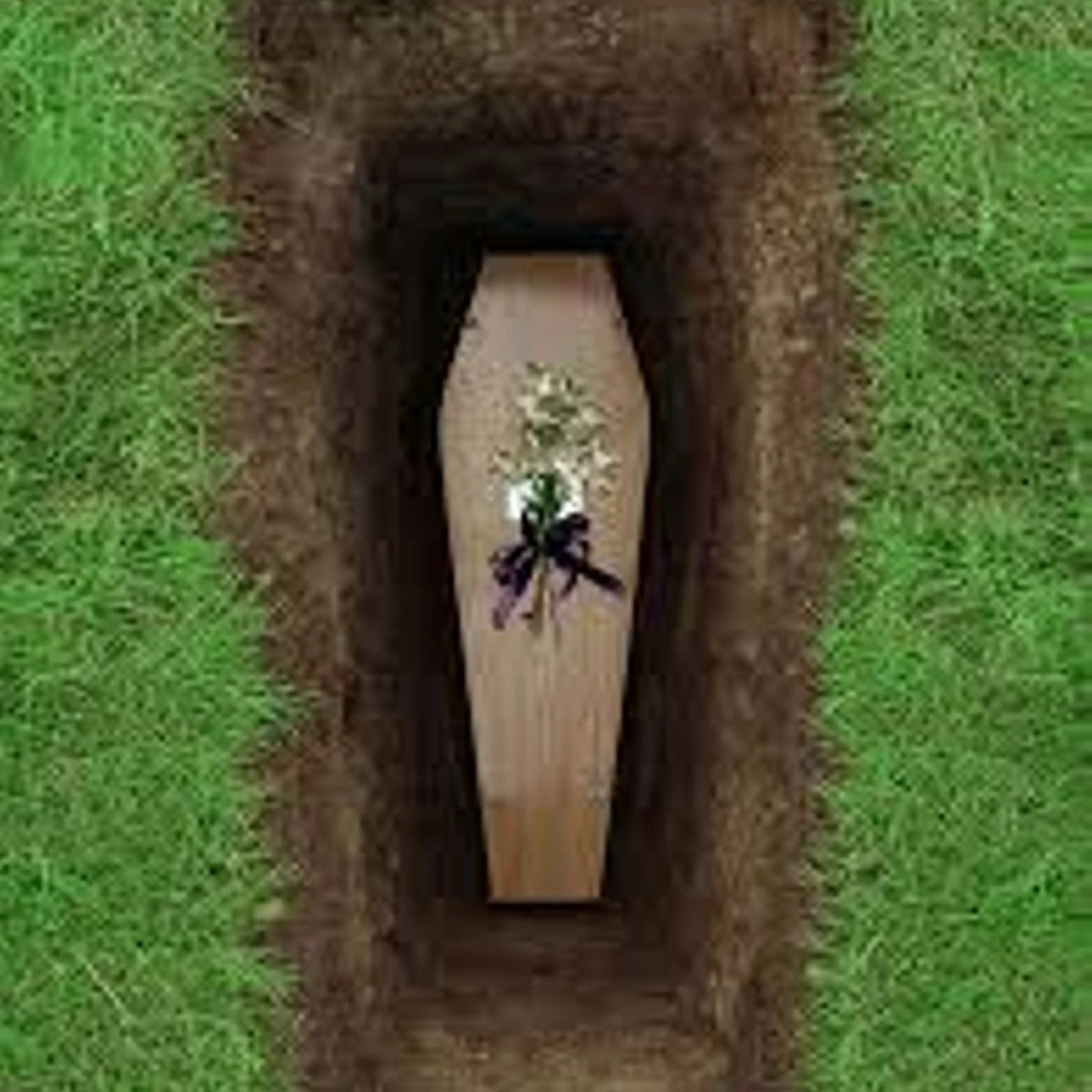
The phrase "six feet under" has become a universal euphemism for death, but have you ever stopped to wonder why that specific number became the gold standard? Whether you are standing in a modern cemetery or a centuries-old churchyard, the six-foot rule is a tradition etched in both law and folklore.
From the dark days of the Black Death to the practicalities of modern engineering, here is the comprehensive history of why we bury our loved ones at this specific depth.
1. The Great Plague of 1665: A City in Crisis
The most widely cited origin of the six-foot rule traces back to the 1665 Bubonic Plague in England. As the "Black Death" ravaged London, the Lord Mayor was forced to take drastic measures to prevent the spread of infection.
A famous pamphlet titled "Orders Conceived and Published by the Lord Mayor and Aldermen of the City of London Concerning the Infection of the Plague" officially dictated the terms of burial. Under the section "Burial of the Dead," the decree was clear.
"...all the Graves shall be at least 6 foot deep."
The officials believed that burying bodies at this depth would trap the "miasma" (foul air) and bacteria, preventing the plague from resurfacing or being spread by domestic animals.
2. The Grave Robber Deterrent
In the 18th and 19th centuries, body snatching became a lucrative, albeit gruesome, business. "Resurrectionists" would dig up fresh corpses to sell to medical schools for anatomical study.
A six-foot-deep grave was significantly harder and more time-consuming to excavate quickly under the cover of night. By digging deeper, families provided a final layer of security against those looking to disturb the deceased's peace.
3. Engineering and Safety: The Gravedigger’s Limit
There are also very practical, human reasons for the six-foot standard:
The Average Height Factor: Folklore suggests a man should be buried as deep as he is tall. Since the historical average height for an adult male hovered near six feet, this became the benchmark.
Ease of Excavation: For a person digging by hand, six feet is roughly the limit of safety. Any deeper, and the risk of the grave walls collapsing on the digger increases significantly. Furthermore, a person standing in a six-foot hole can still easily toss dirt out over the edge—any deeper, and the task becomes a massive engineering feat.
4. Preventing Animal Interference
One of the most basic reasons for deep burial is to prevent scavengers from disturbing the remains. Six feet is deep enough to ensure that the scent of decay does not reach the surface, protecting the sanctity of the grave from wild animals.
Is "Six Feet Under" Still the Law Today?
Interestingly, the "six feet under" rule is more of a tradition than a modern legal requirement in many places. In many jurisdictions today, the law only requires a "minimum cover" (the amount of earth on top of the coffin), which is often only 18 to 30 inches.
However, the 1665 standard remains the cultural blueprint for how we honor the dead—ensuring they are tucked away safely, securely, and permanently.
From the dark days of the Black Death to the practicalities of modern engineering, here is the comprehensive history of why we bury our loved ones at this specific depth.
1. The Great Plague of 1665: A City in Crisis
The most widely cited origin of the six-foot rule traces back to the 1665 Bubonic Plague in England. As the "Black Death" ravaged London, the Lord Mayor was forced to take drastic measures to prevent the spread of infection.
A famous pamphlet titled "Orders Conceived and Published by the Lord Mayor and Aldermen of the City of London Concerning the Infection of the Plague" officially dictated the terms of burial. Under the section "Burial of the Dead," the decree was clear.
"...all the Graves shall be at least 6 foot deep."
The officials believed that burying bodies at this depth would trap the "miasma" (foul air) and bacteria, preventing the plague from resurfacing or being spread by domestic animals.
2. The Grave Robber Deterrent
In the 18th and 19th centuries, body snatching became a lucrative, albeit gruesome, business. "Resurrectionists" would dig up fresh corpses to sell to medical schools for anatomical study.
A six-foot-deep grave was significantly harder and more time-consuming to excavate quickly under the cover of night. By digging deeper, families provided a final layer of security against those looking to disturb the deceased's peace.
3. Engineering and Safety: The Gravedigger’s Limit
There are also very practical, human reasons for the six-foot standard:
The Average Height Factor: Folklore suggests a man should be buried as deep as he is tall. Since the historical average height for an adult male hovered near six feet, this became the benchmark.
Ease of Excavation: For a person digging by hand, six feet is roughly the limit of safety. Any deeper, and the risk of the grave walls collapsing on the digger increases significantly. Furthermore, a person standing in a six-foot hole can still easily toss dirt out over the edge—any deeper, and the task becomes a massive engineering feat.
4. Preventing Animal Interference
One of the most basic reasons for deep burial is to prevent scavengers from disturbing the remains. Six feet is deep enough to ensure that the scent of decay does not reach the surface, protecting the sanctity of the grave from wild animals.
Is "Six Feet Under" Still the Law Today?
Interestingly, the "six feet under" rule is more of a tradition than a modern legal requirement in many places. In many jurisdictions today, the law only requires a "minimum cover" (the amount of earth on top of the coffin), which is often only 18 to 30 inches.
However, the 1665 standard remains the cultural blueprint for how we honor the dead—ensuring they are tucked away safely, securely, and permanently.