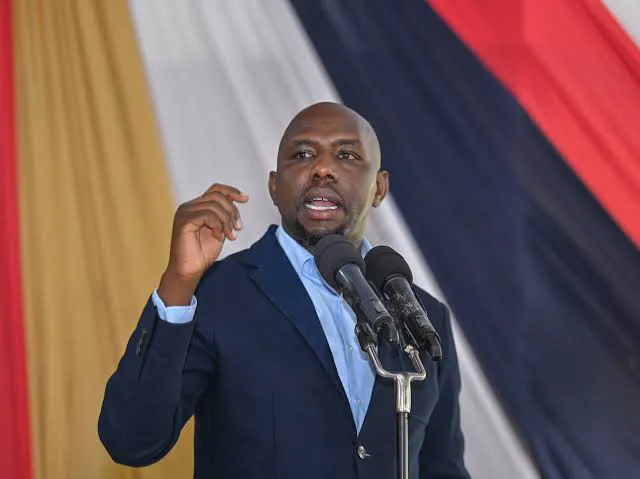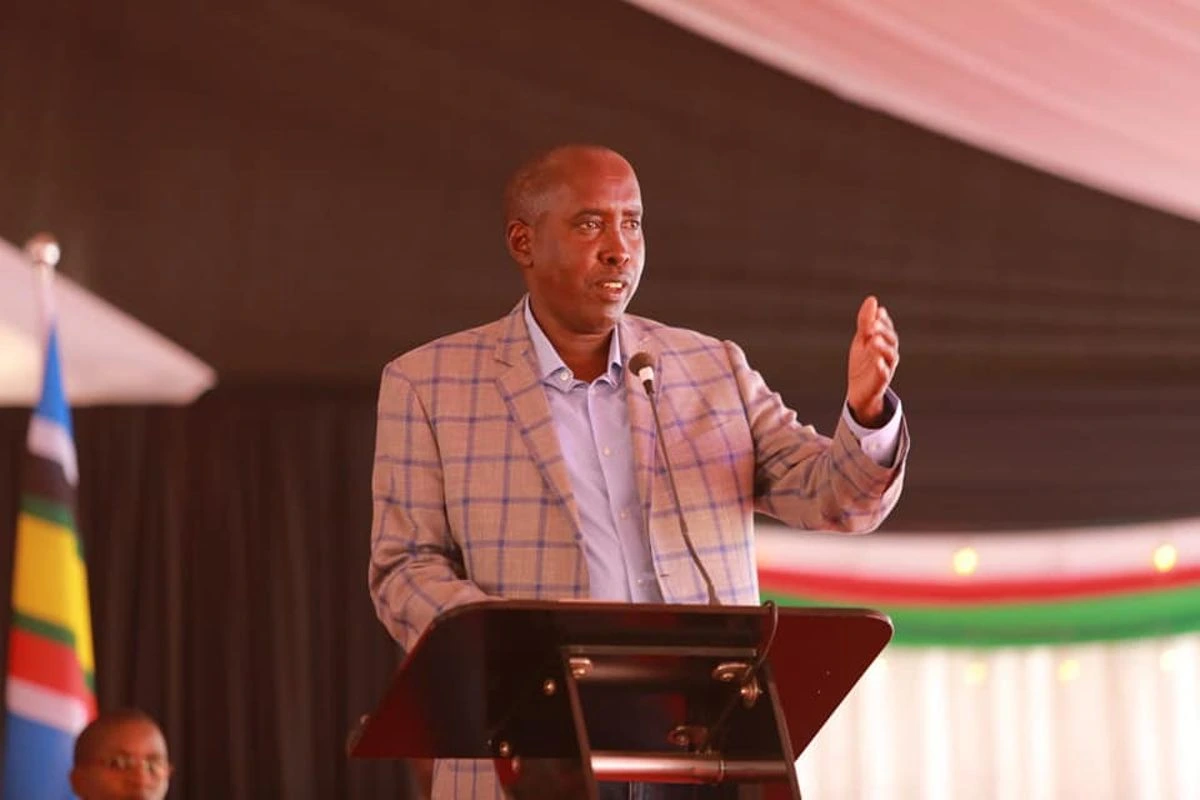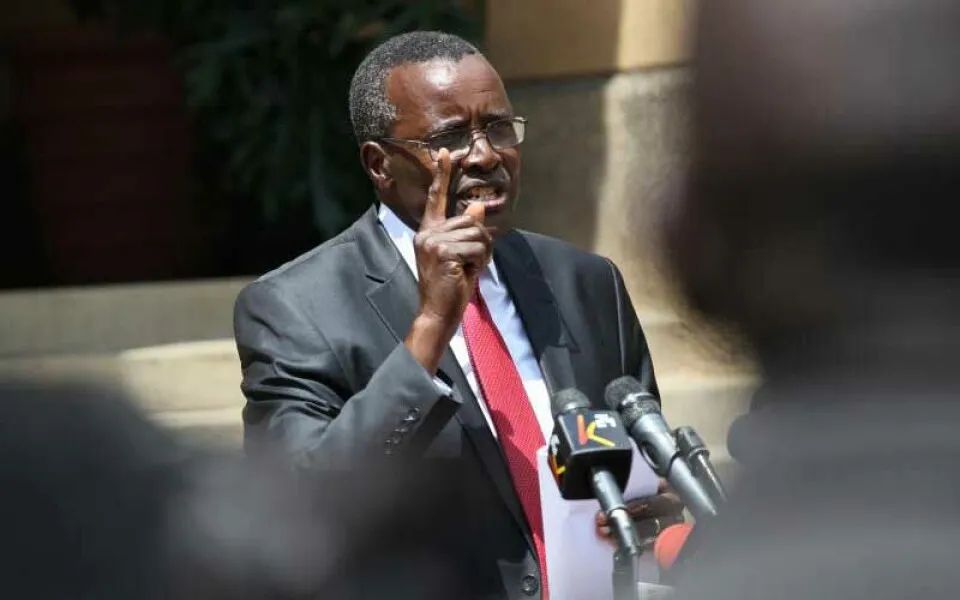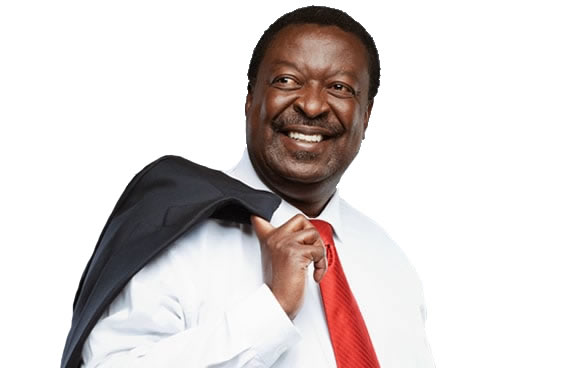
Musalia Mudavadi is one of Kenya’s most experienced and steady political figures, whose career spans over three decades. Known for his calm demeanor, strategic thinking, and deep understanding of governance, Mudavadi has remained a key player in shaping Kenya’s political landscape.
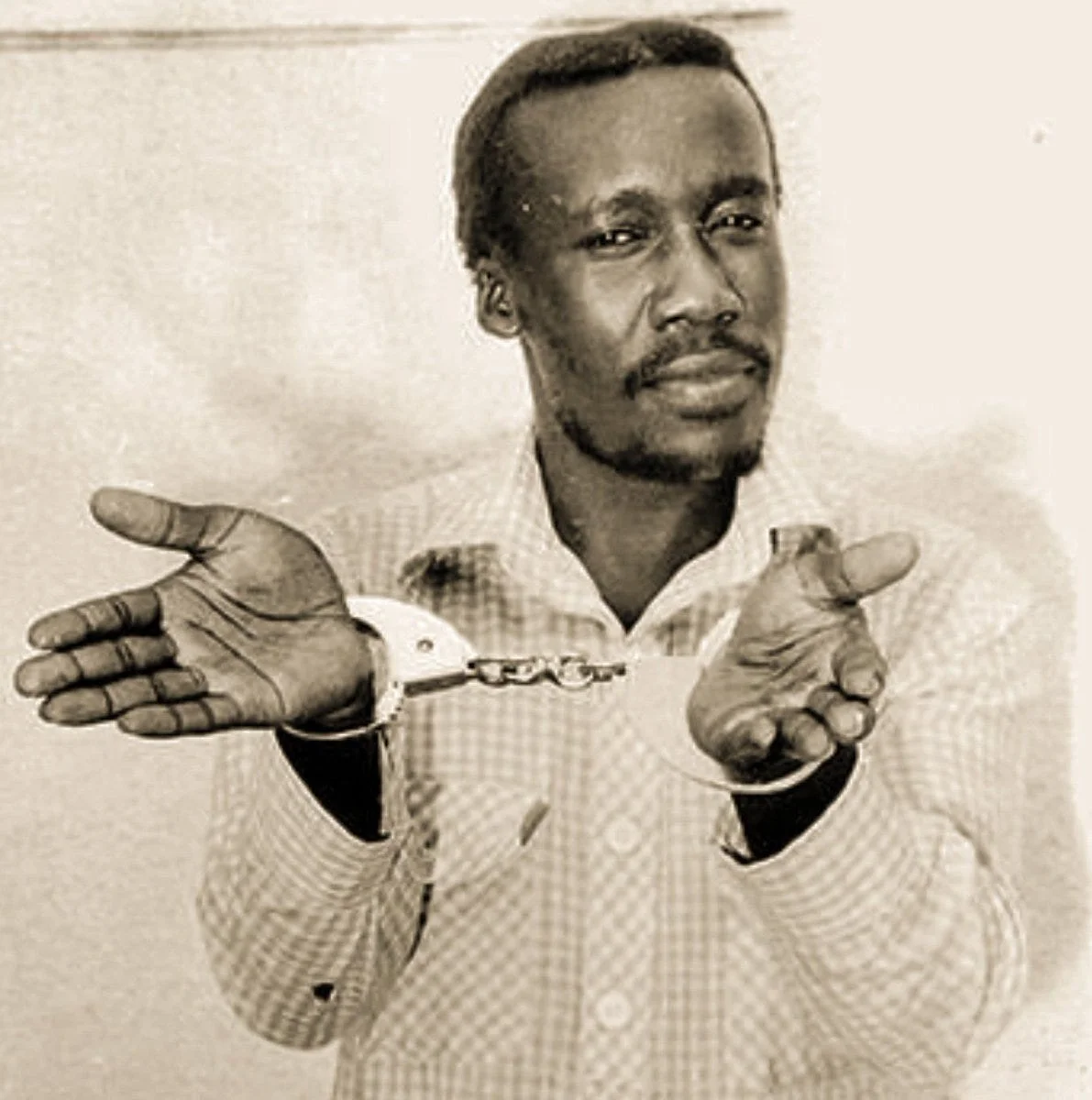
Born in 1960, Mudavadi is the son of the late Moses Mudavadi, a respected politician who served in the government of Daniel arap Moi. This political background exposed him early to leadership and public service, laying the foundation for his future in politics. He was educated at the University of Nairobi, where he studied land economics, equipping him with knowledge that would later influence his policy decisions.
Mudavadi’s political journey began in 1989 when he entered Parliament as the Member of Parliament for Sabatia. He quickly rose through the ranks due to his discipline and ability to work across political divides. During the Moi era, he held several ministerial positions, gaining experience in finance, agriculture, and transport—key sectors in Kenya’s economy.
In 2002, Mudavadi briefly served as Kenya’s Vice President under President Moi, a period that marked a significant milestone in his career. However, the political transition that followed the end of Moi’s rule saw him join the opposition and later become part of the government formed by Mwai Kibaki. During Kibaki’s administration, Mudavadi served as Deputy Prime Minister and Minister for Local Government, playing a crucial role in governance reforms and service delivery.
Mudavadi’s political identity has often been associated with moderation and coalition-building. He has been part of several political alliances, including the National Super Alliance (NASA), where he worked alongside leaders such as Raila Odinga. His role in NASA demonstrated his willingness to unite with others to challenge the status quo and advocate for democratic reforms.
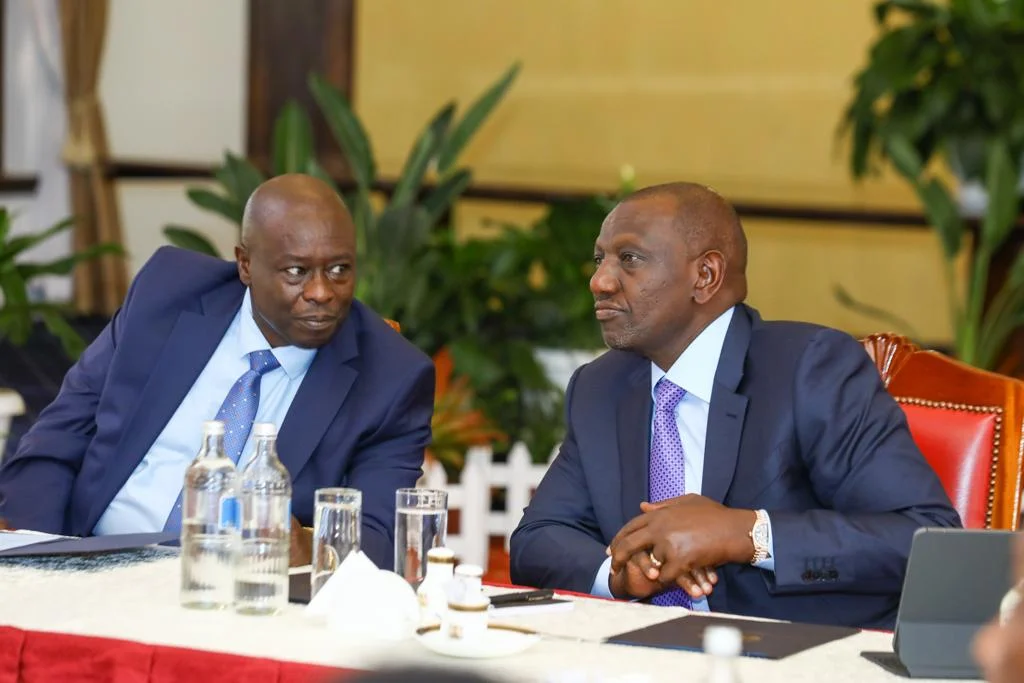
In recent years, Mudavadi has aligned himself with President William Ruto, becoming a key figure in the Kenya Kwanza government. He currently serves as the Prime Cabinet Secretary, a powerful role that places him at the center of government coordination and policy implementation. His position highlights the trust placed in him as a seasoned leader capable of steering complex governmental functions.
Throughout his career, Mudavadi has also led his own political party, the Amani National Congress (ANC), which has been influential particularly in Western Kenya. His leadership in the region has earned him a reputation as a kingpin, although he has often faced competition from other regional leaders.
One of Mudavadi’s defining characteristics is his reputation for integrity and calm leadership. Unlike many politicians known for fiery rhetoric, he is often seen as measured and diplomatic. This has made him both respected and, at times, underestimated in Kenya’s highly competitive political environment. However, his resilience and ability to remain relevant over the years demonstrate his political strength.
Despite his long career, Mudavadi has also faced challenges. He has vied for the presidency but has not yet achieved that goal. Nonetheless, his influence continues to be felt in coalition politics, governance, and national dialogue. His ability to adapt to changing political dynamics has ensured his survival in a field where many others have faded.
In conclusion, Musalia Mudavadi’s political journey reflects experience, resilience, and strategic positioning. From his early days in Parliament to his current role at the heart of government, he remains a significant figure in Kenyan politics. As Kenya continues to evolve politically, Mudavadi’s role is likely to remain important, whether as a key government strategist or as a unifying figure in national politics.