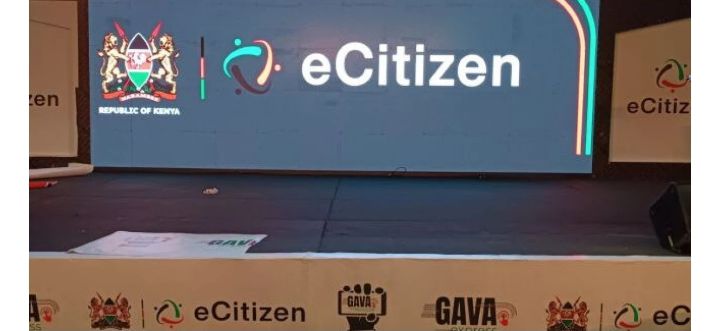
Members of the National Assembly Public Accounts Committee (PAC) have sounded a serious alarm over what appears to be massive financial irregularities in Kenya’s government digital payments system, popularly known as the e-Citizen platform. According to revelations from a special audit conducted by the Office of the Auditor General (OAG), a staggering Ksh.6.3 billion was allegedly diverted into a private account without proper government authorization, raising questions about the security of the platform and the integrity of public resource management.
The audit, which covered operations of the e-Citizen platform from 2014 to 2025, exposed numerous discrepancies and irregularities in the handling of payments, shedding light on what the Auditor General described as “serious gaps” in oversight and accountability.
Specifically, the report flagged Ksh.68.7 million and USD 48 million that had been channeled into an undisclosed account linked to a local bank under the name ‘Pesaflow’. The Auditor General noted that this account was not among the approved collection accounts authorized by the National Treasury, raising red flags about potential misuse of public funds.
“The total amount irregularly collected using this account could not be established because the bank statements for this account were not provided for audit,” said Addy Waichigo, Director of Audit at the OAG. He further expressed concern that being denied access to critical security and personal data on the platform prevented auditors from carrying out a comprehensive review.
In response, Treasury Principal Secretary Dr. Chris Kiptoo told PAC that immediate corrective action had been taken once the irregularity was discovered.
“When I realized that money was being diverted to an account in Equity Bank, I gave directions, and that was stopped,” Kiptoo said, assuring the committee that the funds in question had since been seized.
The committee probed further into past payments made on the platform, particularly a payment of Ksh.127.8 million to Goldrock Ltd as part of an out-of-court settlement. Goldrock had initiated legal proceedings claiming wrongful termination from its contractual obligations in managing certain aspects of the e-Citizen platform.
PAC Chairperson Tindi Mwale sought clarity on who authorized the settlement payments, asking, “Who authorized and approved the payments made on January 25th, 2024?”
Kiptoo explained that the settlement process had been led by the Office of the Attorney General, with approvals routed through the National Treasury. “The Office of the Attorney General led the negotiations for the out-of-court settlements. The payments were authorized by the Attorney General, and the approval was made by the National Treasury,” he said.
The committee also raised questions about the licensing status of the Payment Service Providers (PSPs) involved in the e-Citizen platform, covering the period from 2014 to 2023. Gatundu South MP GG Kagombe asked whether the PSPs had been properly licensed during that period. Kiptoo replied that licenses were confirmed from 2023 but promised to check records for the earlier years.
This development comes amid ongoing concerns over transparency, accountability, and the security of digital payments in the public sector. The Auditor General lamented that auditors were denied access to vital parts of the platform, including security credentials and personal data, which hindered the audit process.
“I was denied access to the e-Citizen platform,” Waichigo told the committee. When asked about the denial, Kiptoo responded, “Who denied you? I am not aware of this.” Mwale pointedly reminded the PS, “You are the accounting officer, and the letter for access was addressed to you.”
The revelations have prompted PAC to take further action by inviting several key stakeholders and service providers involved in the operations of the e-Citizen platform. These include Pesaflow Limited, Olive Tree Media, Webmasters Ltd, Electronic Citizen Solutions, Goldrock Ltd, and the Office of the Attorney General, among other institutions implicated in the irregularities.
The committee’s move aims to establish accountability and determine how government funds intended for public services could have been channeled to unauthorized accounts. The scale of the irregularities, coupled with a lack of proper documentation and transparency, has raised concerns about the potential systemic weaknesses in Kenya’s digital financial management systems.
In addition to financial irregularities, the PAC is also investigating contractual arrangements within the platform, including private subcontracts such as the 2015 agreement between Webmasters Kenya Ltd and Goldrock Ltd. These agreements, while intended to streamline revenue settlement and reconciliation, now appear to have contributed to disputes over payments and accountability.
Experts in public finance governance have warned that incidents like these, if not addressed decisively, can erode public trust in digital financial platforms and expose the government to significant legal and reputational risks. They emphasize the need for tighter regulatory oversight, transparent audit processes, and robust mechanisms to monitor digital payment systems to prevent diversion of funds.
As the investigation continues, PAC is expected to issue a comprehensive report detailing the findings, responsible parties, and recommended actions. The outcome of this probe may lead to legal proceedings, policy reforms, and a restructuring of the e-Citizen platform’s governance framework to ensure such breaches do not recur.
The scandal underscores the urgent need for vigilance in public sector digital platforms, particularly as Kenya accelerates its transition to e-governance and digital service delivery. Ensuring secure, transparent, and accountable management of public resources remains critical not only to public confidence but also to the sustainability of government digital initiatives.
The audit, which covered operations of the e-Citizen platform from 2014 to 2025, exposed numerous discrepancies and irregularities in the handling of payments, shedding light on what the Auditor General described as “serious gaps” in oversight and accountability.
Specifically, the report flagged Ksh.68.7 million and USD 48 million that had been channeled into an undisclosed account linked to a local bank under the name ‘Pesaflow’. The Auditor General noted that this account was not among the approved collection accounts authorized by the National Treasury, raising red flags about potential misuse of public funds.
“The total amount irregularly collected using this account could not be established because the bank statements for this account were not provided for audit,” said Addy Waichigo, Director of Audit at the OAG. He further expressed concern that being denied access to critical security and personal data on the platform prevented auditors from carrying out a comprehensive review.
In response, Treasury Principal Secretary Dr. Chris Kiptoo told PAC that immediate corrective action had been taken once the irregularity was discovered.
“When I realized that money was being diverted to an account in Equity Bank, I gave directions, and that was stopped,” Kiptoo said, assuring the committee that the funds in question had since been seized.
The committee probed further into past payments made on the platform, particularly a payment of Ksh.127.8 million to Goldrock Ltd as part of an out-of-court settlement. Goldrock had initiated legal proceedings claiming wrongful termination from its contractual obligations in managing certain aspects of the e-Citizen platform.
PAC Chairperson Tindi Mwale sought clarity on who authorized the settlement payments, asking, “Who authorized and approved the payments made on January 25th, 2024?”
Kiptoo explained that the settlement process had been led by the Office of the Attorney General, with approvals routed through the National Treasury. “The Office of the Attorney General led the negotiations for the out-of-court settlements. The payments were authorized by the Attorney General, and the approval was made by the National Treasury,” he said.
The committee also raised questions about the licensing status of the Payment Service Providers (PSPs) involved in the e-Citizen platform, covering the period from 2014 to 2023. Gatundu South MP GG Kagombe asked whether the PSPs had been properly licensed during that period. Kiptoo replied that licenses were confirmed from 2023 but promised to check records for the earlier years.
This development comes amid ongoing concerns over transparency, accountability, and the security of digital payments in the public sector. The Auditor General lamented that auditors were denied access to vital parts of the platform, including security credentials and personal data, which hindered the audit process.
“I was denied access to the e-Citizen platform,” Waichigo told the committee. When asked about the denial, Kiptoo responded, “Who denied you? I am not aware of this.” Mwale pointedly reminded the PS, “You are the accounting officer, and the letter for access was addressed to you.”
The revelations have prompted PAC to take further action by inviting several key stakeholders and service providers involved in the operations of the e-Citizen platform. These include Pesaflow Limited, Olive Tree Media, Webmasters Ltd, Electronic Citizen Solutions, Goldrock Ltd, and the Office of the Attorney General, among other institutions implicated in the irregularities.
The committee’s move aims to establish accountability and determine how government funds intended for public services could have been channeled to unauthorized accounts. The scale of the irregularities, coupled with a lack of proper documentation and transparency, has raised concerns about the potential systemic weaknesses in Kenya’s digital financial management systems.
In addition to financial irregularities, the PAC is also investigating contractual arrangements within the platform, including private subcontracts such as the 2015 agreement between Webmasters Kenya Ltd and Goldrock Ltd. These agreements, while intended to streamline revenue settlement and reconciliation, now appear to have contributed to disputes over payments and accountability.
Experts in public finance governance have warned that incidents like these, if not addressed decisively, can erode public trust in digital financial platforms and expose the government to significant legal and reputational risks. They emphasize the need for tighter regulatory oversight, transparent audit processes, and robust mechanisms to monitor digital payment systems to prevent diversion of funds.
As the investigation continues, PAC is expected to issue a comprehensive report detailing the findings, responsible parties, and recommended actions. The outcome of this probe may lead to legal proceedings, policy reforms, and a restructuring of the e-Citizen platform’s governance framework to ensure such breaches do not recur.
The scandal underscores the urgent need for vigilance in public sector digital platforms, particularly as Kenya accelerates its transition to e-governance and digital service delivery. Ensuring secure, transparent, and accountable management of public resources remains critical not only to public confidence but also to the sustainability of government digital initiatives.