From Tragedy to Legacy: How George Hurst’s Life and Death Shaped Kenya’s Iconic Tusker Beer
George Hurst: Founder of Tusker Who Was Killed by an Elephant
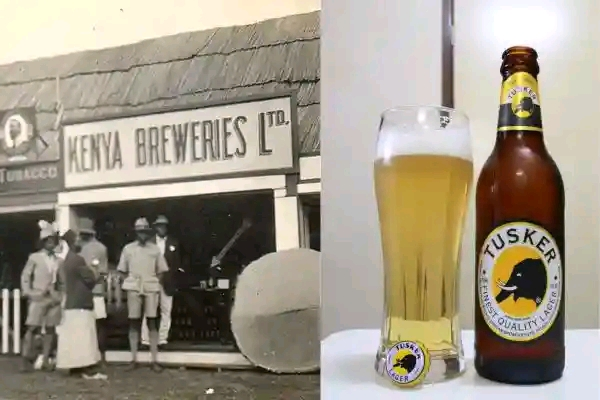
Tusker Beer stands today as one of Kenya’s most iconic and widely recognised brands, deeply woven into the country’s brewing history and social culture. Its unmistakable elephant logo is not just a marketing symbol—it carries a powerful story of heritage, tragedy, and legacy that dates back more than a century.
The origins of Tusker trace back to 1922, when two European brothers, George and Charles Hurst, ventured into the brewing business in colonial Kenya. At a time when the country had very limited local beer production, the brothers established a small brewing operation using copper vessels heated over firewood. Their production was modest, but their ambition was large.
Their breakthrough moment came when the Stanley Hotel placed an order for ten cases of beer to serve distinguished guests, including visiting dignitaries and prominent international figures. The Hurst brothers personally bottled the beer by hand and delivered it themselves. This early commitment to quality and service helped lay the foundation for what would later evolve into the East African Breweries Limited (EABL) empire.
By the end of 1922, the brothers had formally registered their brewing venture as a joint business, and operations began to expand steadily. However, just as the business was gaining momentum, tragedy struck.
George Hurst, known for his adventurous spirit and love for hunting, often spent his free time exploring the wild landscapes of early Kenya. His bold nature, while admirable, sometimes placed him in dangerous situations. During one such hunting expedition in 1923, George reportedly encountered a charging elephant and was fatally trampled.
His sudden death left the young business in the hands of his brother Charles Hurst, who was devastated but determined to continue their shared vision. In honour of George’s memory and the tragic circumstances of his death, Charles introduced a new beer variant named “Tusker,” inspired by the large tusked elephants of the African wilderness.
The elephant soon became the defining symbol of the brand, representing strength, heritage, and resilience. Over time, Tusker Lager grew from a small colonial-era brew into one of East Africa’s most celebrated beers, with its identity forever tied to the story of the Hurst brothers.
Today, every bottle of Tusker carries a piece of that history—a legacy born from ambition, shaped by tragedy, and preserved through generations.