While many Kenyans are focused on the rising cost of living, savvy entrepreneurs are looking for "green gold" in agribusiness. If you’ve heard the buzz about Dorper sheep, it’s not just hype. These hardy, fast-growing animals are currently one of the most profitable livestock ventures in Kenya.
The best part? You don’t need millions to join the club. You can tap into the Dorper millions starting with a modest budget of Ksh 35,000.
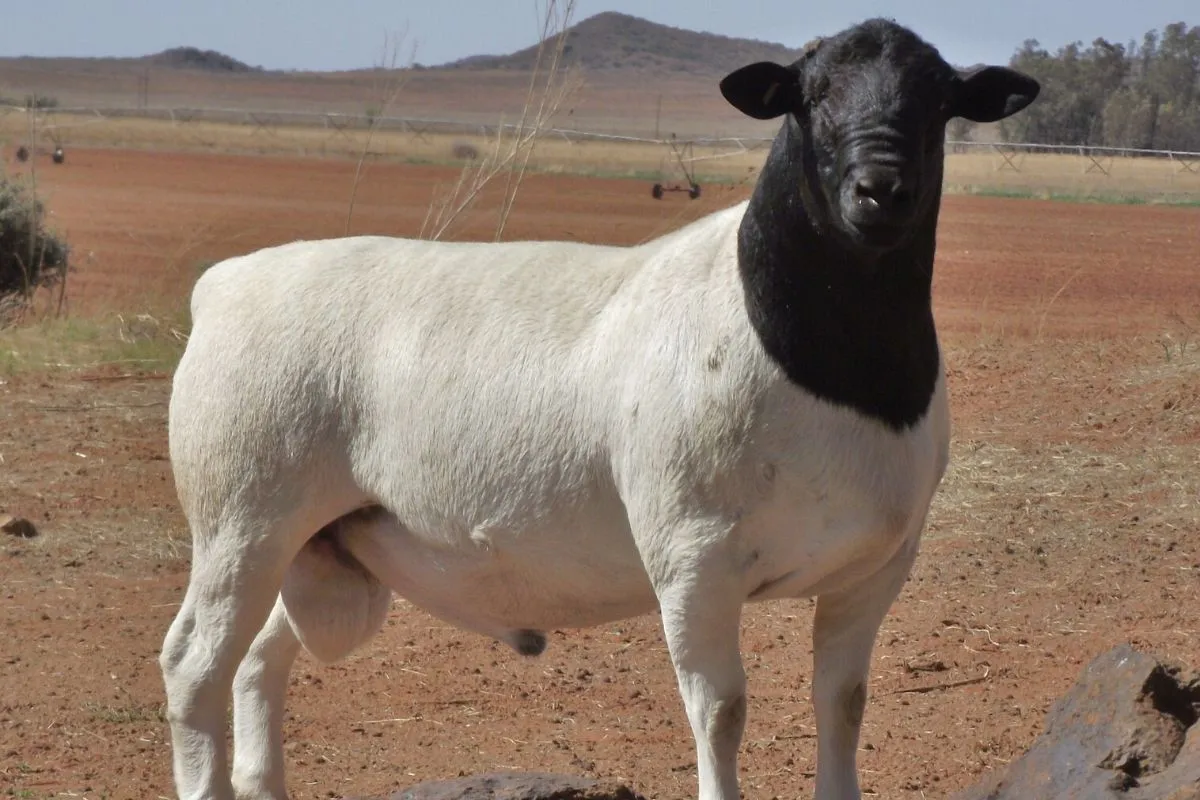
The Dorper sheep is often called the
"mutton machine." Originally from South Africa, they have become the darling of Kenyan farmers for three main reasons:
The best part? You don’t need millions to join the club. You can tap into the Dorper millions starting with a modest budget of Ksh 35,000.
The Dorper sheep is often called the
"mutton machine." Originally from South Africa, they have become the darling of Kenyan farmers for three main reasons:
- Fast Growth: A well-fed lamb can reach a market weight of 35–40kg in just 4 to 6 months.
2. Hardiness: They thrive in semi-arid areas and are highly resistant to diseases that typically wipe out other breeds.
3. High Twinning Rate: It’s common for ewes to give birth to twins, meaning your flock can double faster than you think.
The Ksh 35,000 Blueprint: How to Start Small
Starting with 35k requires a "Breed Improvement" strategy. You won't buy a pedigree flock, but you will build one.
The Initial Investment Break-down:
- 3 Local Grade Ewes (Ksh 21,000): Don't buy expensive purebred ewes yet. Buy healthy local "Red Maasai" or crossbreed ewes at approximately Ksh 7,000 each.
- 1 High-Quality Dorper Ram (Shared or Young) (Ksh 10,000): The magic is in the genetics. You can buy a high-grade young ram or partner with a neighbor to share the cost of a pedigree ram.
- Basic Mineral Salts & Deworming (Ksh 2,000): Prevention is cheaper than cure.
- Miscellaneous/Construction (Ksh 2,000): Use local timber and recycled materials to build a simple raised boma.
The Strategy: The "Meat & Breed" Twist
Instead of selling your first set of lambs for meat at Ksh 8,000, keep the females. These "F1" crosses will have 50% Dorper genetics. By the second generation, you will have high-grade sheep that can sell for Ksh 15,000 to Ksh 25,000 as breeding stock.
The Profit Margins: Let’s Do the Math
In a standard 12-month cycle, a small flock managed well can yield impressive returns:
- Revenue: 3 ewes giving birth twice (or having twins) can yield 6–8 lambs a year.
- Meat Market: Selling 6 lambs at Ksh 10,000 each = Ksh 60,000.
- Breeding Market: Selling 6 high-grade crossbreed ewes at Ksh 15,000 each = Ksh 90,000.
- Cost of Feed/Meds: Approximately Ksh 3,000 per lamb if using semi-zero grazing.
Straight Talk: Your 35k initial investment can potentially return double its value within the first 14 months, while leaving you with a larger, higher-quality mother flock.
Hook for Success
If you’re going to do this, don't just be a farmer; be a marketer.
- The Meat Market: Supply high-end Nyama Choma joints—they pay a premium for Dorper meat because it’s tender and has a distinct fat distribution.
- The Digital Farm: Use TikTok and Reels to document your "35k to 100k" journey. Other farmers are looking for quality "F1" and "F2" crosses and will buy directly from your gate.
Sheep farming isn't just for those with large tracts of land in Laikipia anymore. With 35k and a small backyard in the outskirts of Nairobi or a rural plot, you can start building a resilient, profitable asset that beats inflation any day.