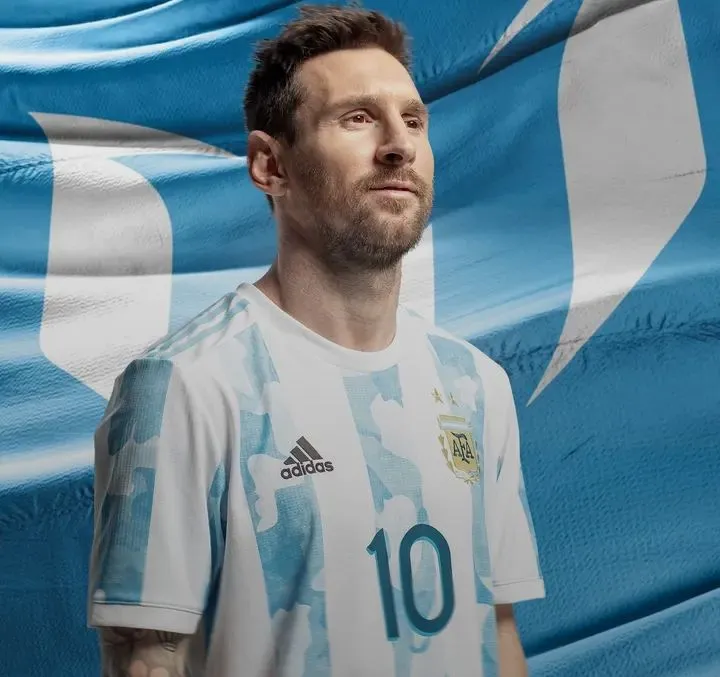
Lionel Messi, one of the greatest footballers in the history of the sport, has added a new chapter to his illustrious career by completing the takeover of Spanish lower-league club UE Cornella. The announcement, confirmed by the club on Monday, marks Messi’s first formal foray into football club ownership. At 38 years old, the Argentine superstar is currently playing for Major League Soccer side Inter Miami, yet he has taken this bold step to give back to the sport and region that shaped his career.
UE Cornella, a club competing in Spain’s fifth tier, issued an official statement confirming the acquisition. "Eight-time Ballon d'Or winner Leo Messi has formalised the acquisition of the club," the statement read. "This move reinforces Messi's close ties to Barcelona and his commitment to the development of sport and local talent in Catalonia."
Messi’s decision to invest in a lower-tier club is seen by many as a reflection of his dedication to nurturing grassroots football. While many former players often seek high-profile ownership opportunities with top-tier European clubs, Messi’s focus on Cornella signals a commitment to fostering young talent and strengthening the sport at the community level. Cornella, located in Catalonia near Barcelona, has a strong local fanbase, but it has long operated on a modest budget compared to Spain’s elite clubs.
The timing of the takeover is significant. Messi, having achieved unparalleled success during his career at FC Barcelona, where he won four UEFA Champions League titles and ten La Liga championships, now seems intent on ensuring that future generations of footballers have opportunities to thrive. His personal connection to Barcelona, where he spent more than two decades developing from a youth prospect into arguably the best player in the world, appears to be a driving factor behind the acquisition.
Speaking about the move, a spokesperson for UE Cornella said, “Messi’s involvement is expected to bring not only increased visibility to the club but also the expertise, resources, and network necessary to help young players reach their potential. We are thrilled to welcome such a legendary figure into our community.”
Football analysts have highlighted that Messi’s decision to buy a club in Spain rather than pursue ownership elsewhere may be motivated by more than nostalgia. It represents an opportunity to create a structured development program for youth players in Catalonia, potentially serving as a model for other regions in Spain. The club is expected to benefit from Messi’s experience, mentorship, and possibly the training methodologies and facilities standards he witnessed during his time at Barcelona.
UE Cornella, historically, has been a platform for young talent looking to climb the ranks of Spanish football. With Messi at the helm, there is speculation that the club could attract sponsorship deals, partnerships, and perhaps even scouting opportunities with bigger clubs. Such moves could significantly enhance the career prospects of players in the squad and put the club on a trajectory toward higher divisions.
Messi’s involvement in football has evolved significantly over the past few years. From winning numerous individual awards, including eight Ballon d’Or titles, to leading Argentina to victory in the 2021 Copa América and the 2022 FIFA World Cup, he has proven both his skill and leadership on the field. Now, Messi is shifting some of that focus toward building an off-field legacy, one that could influence football in Catalonia and beyond for years to come.
Fans and local media in Catalonia have expressed excitement over the news, viewing Messi’s ownership as a sign of optimism for regional football. Many see it as a chance to spotlight Cornella, attract more attention to the Catalan football scene, and encourage young athletes to pursue their dreams. While the financial details of the acquisition have not been disclosed, the strategic importance of Messi’s involvement goes beyond mere investment; it is about influence, mentorship, and the promotion of sporting culture.
In addition to developing local talent, there is potential for UE Cornella to adopt innovative football programs inspired by Messi’s experience at top-level football. From youth academies to advanced training methods, his vision could help bridge the gap between grassroots football and elite competition. Football pundits predict that this initiative could have a ripple effect, inspiring other retired or active stars to invest in smaller clubs and contribute to the development of the sport at the community level.
Messi’s move into club ownership comes at a time when football globally is experiencing a shift, with more players leveraging their fame and resources to impact the sport off the field. While ownership of major clubs remains highly competitive and expensive, investing in smaller, lower-league teams allows football icons like Messi to make meaningful contributions while staying connected to their roots.
As Messi begins this new journey with UE Cornella, the football world watches with keen interest. Fans, players, and analysts alike are eager to see how his influence will transform the club, how young talents will benefit, and whether Cornella can rise through the ranks under the guidance of one of football’s all-time greats. For Messi, the acquisition is not just an investment; it is a testament to his ongoing passion for football and his desire to shape its future for generations to come.
With this step, Messi reinforces his legacy not only as a player but also as a mentor, visionary, and advocate for the sport he loves. Cornella may be a small club in terms of league hierarchy, but with Messi on board, its potential and influence are anything but modest.
UE Cornella, a club competing in Spain’s fifth tier, issued an official statement confirming the acquisition. "Eight-time Ballon d'Or winner Leo Messi has formalised the acquisition of the club," the statement read. "This move reinforces Messi's close ties to Barcelona and his commitment to the development of sport and local talent in Catalonia."
Messi’s decision to invest in a lower-tier club is seen by many as a reflection of his dedication to nurturing grassroots football. While many former players often seek high-profile ownership opportunities with top-tier European clubs, Messi’s focus on Cornella signals a commitment to fostering young talent and strengthening the sport at the community level. Cornella, located in Catalonia near Barcelona, has a strong local fanbase, but it has long operated on a modest budget compared to Spain’s elite clubs.
The timing of the takeover is significant. Messi, having achieved unparalleled success during his career at FC Barcelona, where he won four UEFA Champions League titles and ten La Liga championships, now seems intent on ensuring that future generations of footballers have opportunities to thrive. His personal connection to Barcelona, where he spent more than two decades developing from a youth prospect into arguably the best player in the world, appears to be a driving factor behind the acquisition.
Speaking about the move, a spokesperson for UE Cornella said, “Messi’s involvement is expected to bring not only increased visibility to the club but also the expertise, resources, and network necessary to help young players reach their potential. We are thrilled to welcome such a legendary figure into our community.”
Football analysts have highlighted that Messi’s decision to buy a club in Spain rather than pursue ownership elsewhere may be motivated by more than nostalgia. It represents an opportunity to create a structured development program for youth players in Catalonia, potentially serving as a model for other regions in Spain. The club is expected to benefit from Messi’s experience, mentorship, and possibly the training methodologies and facilities standards he witnessed during his time at Barcelona.
UE Cornella, historically, has been a platform for young talent looking to climb the ranks of Spanish football. With Messi at the helm, there is speculation that the club could attract sponsorship deals, partnerships, and perhaps even scouting opportunities with bigger clubs. Such moves could significantly enhance the career prospects of players in the squad and put the club on a trajectory toward higher divisions.
Messi’s involvement in football has evolved significantly over the past few years. From winning numerous individual awards, including eight Ballon d’Or titles, to leading Argentina to victory in the 2021 Copa América and the 2022 FIFA World Cup, he has proven both his skill and leadership on the field. Now, Messi is shifting some of that focus toward building an off-field legacy, one that could influence football in Catalonia and beyond for years to come.
Fans and local media in Catalonia have expressed excitement over the news, viewing Messi’s ownership as a sign of optimism for regional football. Many see it as a chance to spotlight Cornella, attract more attention to the Catalan football scene, and encourage young athletes to pursue their dreams. While the financial details of the acquisition have not been disclosed, the strategic importance of Messi’s involvement goes beyond mere investment; it is about influence, mentorship, and the promotion of sporting culture.
In addition to developing local talent, there is potential for UE Cornella to adopt innovative football programs inspired by Messi’s experience at top-level football. From youth academies to advanced training methods, his vision could help bridge the gap between grassroots football and elite competition. Football pundits predict that this initiative could have a ripple effect, inspiring other retired or active stars to invest in smaller clubs and contribute to the development of the sport at the community level.
Messi’s move into club ownership comes at a time when football globally is experiencing a shift, with more players leveraging their fame and resources to impact the sport off the field. While ownership of major clubs remains highly competitive and expensive, investing in smaller, lower-league teams allows football icons like Messi to make meaningful contributions while staying connected to their roots.
As Messi begins this new journey with UE Cornella, the football world watches with keen interest. Fans, players, and analysts alike are eager to see how his influence will transform the club, how young talents will benefit, and whether Cornella can rise through the ranks under the guidance of one of football’s all-time greats. For Messi, the acquisition is not just an investment; it is a testament to his ongoing passion for football and his desire to shape its future for generations to come.
With this step, Messi reinforces his legacy not only as a player but also as a mentor, visionary, and advocate for the sport he loves. Cornella may be a small club in terms of league hierarchy, but with Messi on board, its potential and influence are anything but modest.