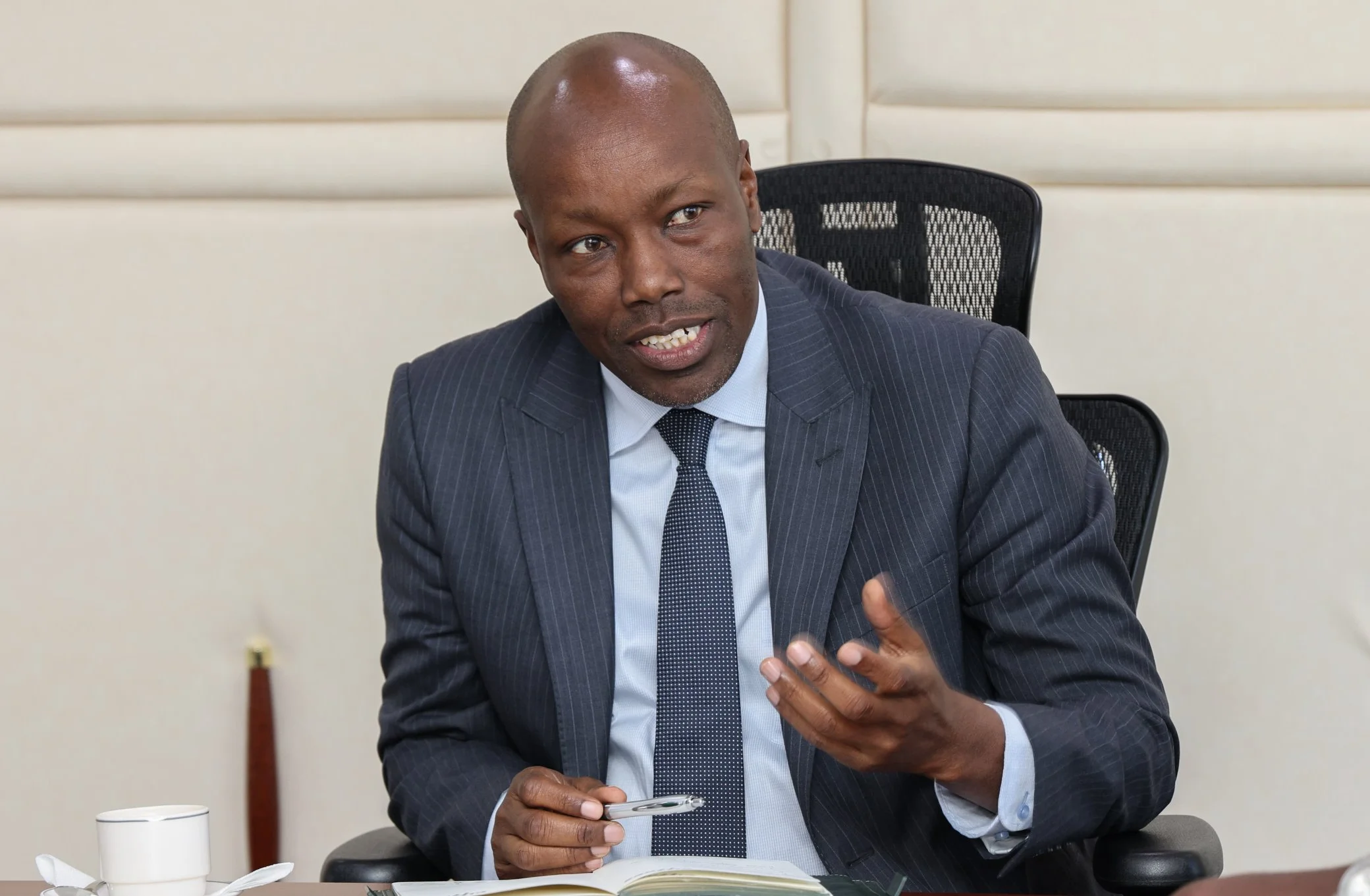
Addressing the heated debate surrounding the Government-to-Government (G-to-G) oil deal, CS Kinyanjui argued that the arrangement is a shield against global volatility.
Spot Buying vs. Security: He argued that without G-to-G, Kenya would be at the mercy of "spot buying"—scrambling to buy from whoever has stock on a day-to-day basis. In a world currently shaken by Middle East tensions, he maintained that G-to-G provides the "predictability and cash flow management" that a spot market simply cannot offer.
The Purity Waiver: When questioned about the quality of imported fuel, the CS defended the legal right of KEBS to grant waivers. He insisted these are not "political decisions" but technical ones made when national interests (like supply continuity) are at stake, provided the fuel does not "endanger" the public.
The Logistical Nightmare: Why Our Products Are Losing Edge
A major highlight of the interview was Kinyanjui’s admission that Kenya faces a "serious logistical challenge" that is making our exports uncompetitive.
The Freight Factor: High freight costs and a lack of shipping options are pricing Kenyan products out of destination markets.
The Continental Gap: He called for the creation of an African-owned shipping line, noting that relying on foreign vessels often leaves us at the back of the queue. To counter this, the government is looking to turn Mombasa and Lamu into trans-shipment hubs.
KQ as a Tool of Trade: The CS linked the success of our meat and horticulture exports directly to the revival of Kenya Airways, calling it the "entry into these markets" for high-value perishable goods.
Market Diversification: Looking East and South
With traditional markets in the Middle East disrupted by war, Kinyanjui revealed that the government is moving fast to pivot Kenya’s export strategy.
The China Opportunity: Kenya has signed a trade agreement with China (a 1.4 billion-person market) that allows for zero tariffs and zero quotas. * The Italy Mission: The CS announced a high-level mission to Italy next week to reignite conversations on niche products for the European market.
AfCFTA: He emphasized the African Continental Free Trade Area as the ultimate long-term solution for market diversification.
The "Awkward" Reality of War
In a rare moment of candor, Kinyanjui admitted that the government finds itself in an "awkward situation" because no administration can fully plan for a sudden global conflict.
Reconstruction Shift: He warned Kenyans to prepare for a shift in global funding. As the world turns its financial focus toward reconstructing war-torn areas in the Middle East, Kenya must move toward self-sufficiency.
The Energy Transition: To reduce the "diesel headache," the CS noted that Nairobi now leads East Africa in the adoption of electric buses, a trend the government hopes will eventually break our total dependence on imported oil.
Faith’s Take: The "Meat & Logistics" Hook
The CS’s interview tells us one thing clearly: the government knows we are in a tight spot. While the political class argues about who voted for what, the executive is worried about the "ship." If we don't fix the logistics—the planes, the ships, and the electric grid—even the best trade agreements with China or Italy will just be pieces of paper.
For the Kenyan exporter, the message is: The demand is there, but the bridge to get there is currently under construction.
Spot Buying vs. Security: He argued that without G-to-G, Kenya would be at the mercy of "spot buying"—scrambling to buy from whoever has stock on a day-to-day basis. In a world currently shaken by Middle East tensions, he maintained that G-to-G provides the "predictability and cash flow management" that a spot market simply cannot offer.
The Purity Waiver: When questioned about the quality of imported fuel, the CS defended the legal right of KEBS to grant waivers. He insisted these are not "political decisions" but technical ones made when national interests (like supply continuity) are at stake, provided the fuel does not "endanger" the public.
The Logistical Nightmare: Why Our Products Are Losing Edge
A major highlight of the interview was Kinyanjui’s admission that Kenya faces a "serious logistical challenge" that is making our exports uncompetitive.
The Freight Factor: High freight costs and a lack of shipping options are pricing Kenyan products out of destination markets.
The Continental Gap: He called for the creation of an African-owned shipping line, noting that relying on foreign vessels often leaves us at the back of the queue. To counter this, the government is looking to turn Mombasa and Lamu into trans-shipment hubs.
KQ as a Tool of Trade: The CS linked the success of our meat and horticulture exports directly to the revival of Kenya Airways, calling it the "entry into these markets" for high-value perishable goods.
Market Diversification: Looking East and South
With traditional markets in the Middle East disrupted by war, Kinyanjui revealed that the government is moving fast to pivot Kenya’s export strategy.
The China Opportunity: Kenya has signed a trade agreement with China (a 1.4 billion-person market) that allows for zero tariffs and zero quotas. * The Italy Mission: The CS announced a high-level mission to Italy next week to reignite conversations on niche products for the European market.
AfCFTA: He emphasized the African Continental Free Trade Area as the ultimate long-term solution for market diversification.
The "Awkward" Reality of War
In a rare moment of candor, Kinyanjui admitted that the government finds itself in an "awkward situation" because no administration can fully plan for a sudden global conflict.
Reconstruction Shift: He warned Kenyans to prepare for a shift in global funding. As the world turns its financial focus toward reconstructing war-torn areas in the Middle East, Kenya must move toward self-sufficiency.
The Energy Transition: To reduce the "diesel headache," the CS noted that Nairobi now leads East Africa in the adoption of electric buses, a trend the government hopes will eventually break our total dependence on imported oil.
Faith’s Take: The "Meat & Logistics" Hook
The CS’s interview tells us one thing clearly: the government knows we are in a tight spot. While the political class argues about who voted for what, the executive is worried about the "ship." If we don't fix the logistics—the planes, the ships, and the electric grid—even the best trade agreements with China or Italy will just be pieces of paper.
For the Kenyan exporter, the message is: The demand is there, but the bridge to get there is currently under construction.