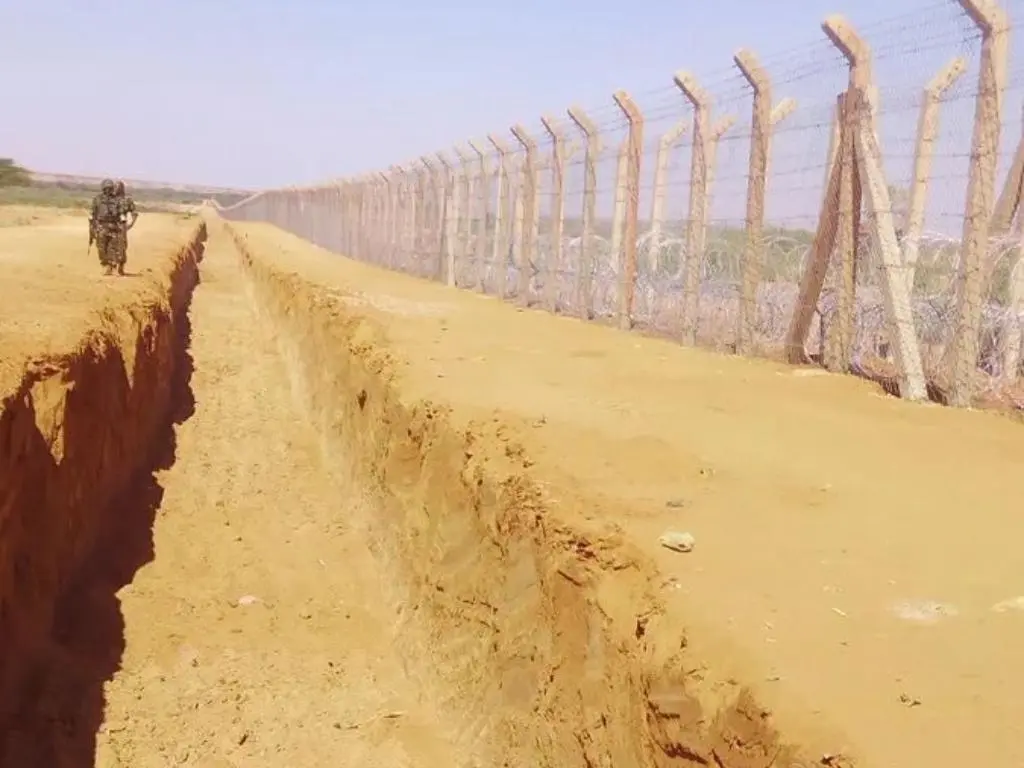
In 2015, Kenya undertook a significant infrastructure project by constructing a border wall along its Somali border. This initiative aimed to address security concerns related to cross-border terrorism and insurgent activities. However, the wall also sparked debates about its broader implications on local communities and regional stability.
Security or Barrier? The Impact of Kenya's 2015 Somali Border Wall
The primary intent behind the border wall was to enhance national security by preventing the infiltration of militant groups and reducing cross-border crime. Supporters argue that such physical barriers are effective in controlling movement and safeguarding citizens. Nonetheless, critics highlight that walls often divide communities and can exacerbate social tensions, impeding movement and trade.
Beyond security concerns, the wall has influenced local and regional politics, raising questions about governance and the balance of power. The decision to build the barrier reflects a policy choice aimed at prioritizing security, yet it also affects humanitarian issues and human rights, especially for communities residing near the border.
The impact of the border wall extends to regional relations, as neighboring countries and international organizations scrutinize Kenya's border policies. While some authorities emphasize the importance of physical security, others call for more comprehensive approaches that include community engagement and intelligence sharing.
Overall, the Kenyan border wall exemplifies the complex interplay between security measures and social cohesion, emphasizing the need for policies that address both safety and community well-being. As security threats evolve, the implications of such barriers require ongoing assessment to balance protection with regional stability.