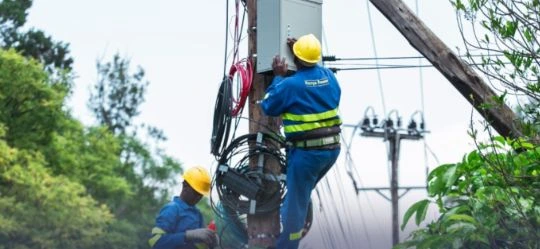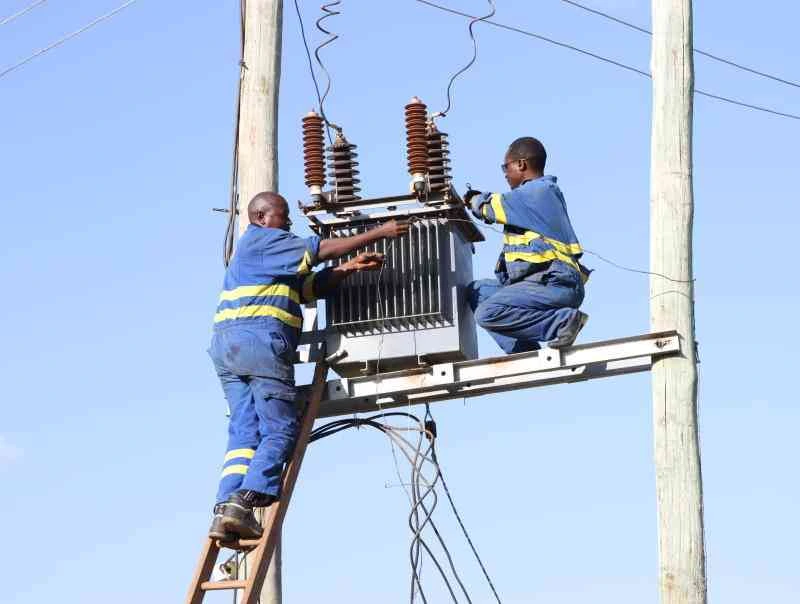
The Kenya Power and Lighting Company (Kenya Power) stands as one of the most vital institutions in Kenya’s economic and social development. As the primary distributor and retailer of electricity in the country, the company connects millions of homes, businesses, and public institutions to power. Electricity is a key driver of modern life, and Kenya Power plays a central role in ensuring that energy reaches citizens across both urban and rural areas.
From supporting small-scale traders to powering large industries, Kenya Power’s influence stretches across all sectors of the economy. Its operations not only sustain daily life but also contribute to national growth, innovation, and improved living standards.
Historical Development and Evolution
The origins of Kenya Power date back to the early 1900s when electricity supply in Kenya was limited to small towns and colonial settlements. Over time, the system expanded gradually to serve more urban areas. After Kenya gained independence in 1963, the government prioritized infrastructure development, including electricity.
Kenya Power evolved through several structural changes and reforms to become the company it is today. It was eventually listed on the Nairobi Securities Exchange, allowing public participation while the Government of Kenya retained a majority stake.
Today, the company works closely with other major energy sector players such as Kenya Electricity Generating Company, which produces electricity, and Kenya Electricity Transmission Company, which manages high-voltage transmission lines. Together, these institutions form the backbone of Kenya’s electricity supply chain.
Mandate and Core Responsibilities
Kenya Power’s main mandate is to distribute and sell electricity to consumers. While it does not generate power, it plays the critical role of delivering electricity from producers to end users.
Its key responsibilities include:
Expanding and maintaining the national electricity distribution network
Connecting new customers to the grid
Metering electricity usage and billing customers
Collecting revenue and managing financial operations
Maintaining substations, transformers, and power lines
Ensuring safety standards in electricity use
Providing customer support services
Kenya Power is essentially the face of the electricity sector to ordinary citizens, making its efficiency and reliability crucial to public trust.
Expansion of Electricity Access in Kenya
One of Kenya Power’s most notable achievements is the significant increase in electricity access over the past two decades. In the early 2000s, only a small percentage of Kenyan households had access to electricity.
Today, access has grown dramatically, with millions of new connections made.
Government-backed initiatives such as the Last Mile Connectivity Project have enabled Kenya Power to extend electricity to remote and underserved communities. This has had a transformative impact on society.
Social and Economic Impact
Electricity access has improved many aspects of life:
Education: Students can study at night using proper lighting
Healthcare: Hospitals and clinics can operate medical equipment and store vaccines safely
Business Growth: Small enterprises such as salons, shops, and workshops can operate efficiently
Technology Access: Internet connectivity and digital services depend on reliable electricity
Rural electrification has also helped reduce migration to urban areas by creating opportunities within local communities.
Infrastructure and Operations
Kenya Power operates an extensive network of infrastructure across the country. This includes:
Thousands of kilometers of power lines
Distribution transformers
Substations that regulate voltage
Customer metering systems
Maintaining this vast infrastructure is a complex and costly task. The company must continuously upgrade and expand its network to meet growing demand and accommodate new technologies.
Challenges Facing Kenya Power
Despite its achievements, Kenya Power faces a number of challenges that affect its performance and public perception.
1. High Cost of Electricity
Electricity prices in Kenya are often considered high by consumers. This is due to several factors, including fuel costs, infrastructure investments, and taxes. High tariffs can discourage industrial growth and burden households.
2. Power Losses
The company experiences both technical and commercial losses. Technical losses occur during transmission and distribution, while commercial losses include illegal connections and electricity theft. These losses reduce revenue and increase operational costs.
3. Frequent Power Outages
In some areas, consumers experience occasional blackouts due to system faults, maintenance issues, or weather-related damage. These outages can disrupt businesses and daily activities.
4. Financial Constraints
Kenya Power has faced financial challenges, including debt and operational inefficiencies. Balancing investment needs with financial sustainability remains a key concern.
5. Customer Complaints
Issues such as billing errors, delays in connection, and slow response to outages have sometimes led to dissatisfaction among customers. Improving customer service remains a priority.
Innovation and Digital Transformation
To address challenges and improve service delivery, Kenya Power has embraced modern technology. The company has introduced several digital solutions that have transformed how customers interact with electricity services.
Key Innovations
Prepaid Metering: Customers can purchase electricity tokens in advance, helping them manage consumption
Mobile Payments: Integration with platforms like M-Pesa allows easy payment of electricity bills
Online Services: Customers can apply for connections and report issues online
Smart Grid Technology: Efforts are underway to improve monitoring and reduce system losses
These innovations have made electricity services more accessible, efficient, and transparent.
Role in Renewable Energy and Sustainability
Kenya is a global leader in renewable energy, with a large share of its electricity coming from geothermal, hydro, wind, and solar sources. Kenya Power plays a crucial role in distributing this clean energy to consumers.
Working alongside producers like Kenya Electricity Generating Company, the company helps reduce reliance on fossil fuels and supports environmental sustainability.
The shift toward renewable energy has several benefits:
Reduced carbon emissions
Lower long-term energy costs
Improved energy security
Contribution to global climate goals
Kenya Power is expected to continue supporting the integration of renewable energy into the national grid.
Economic Importance
Kenya Power is not just a utility company; it is a key pillar of the national economy. Reliable electricity is essential for:
Industrial production
Agricultural processing
Banking and financial services
Communication and technology sectors
Without electricity, economic activities would slow down significantly. Kenya Power’s performance therefore has a direct impact on Kenya’s economic growth and competitiveness.
Future Outlook
The future of Kenya Power is closely tied to Kenya’s development goals. As the country continues to urbanize and industrialize, demand for electricity is expected to increase rapidly.
Key Priorities for the Future
Expanding electricity access to reach universal coverage
Improving reliability and reducing outages
Investing in modern infrastructure
Enhancing customer satisfaction
Strengthening financial management
Supporting clean energy initiatives
The company is also expected to adopt more advanced technologies, including smart meters and automated systems, to improve efficiency.
Conclusion
The Kenya Power and Lighting Company remains at the heart of Kenya’s progress. Its role in distributing electricity makes it an essential service provider for millions of people.
While challenges such as high costs, outages, and financial pressures persist, ongoing reforms and innovations offer hope for improvement. With continued investment and strong leadership, Kenya Power has the potential to deliver reliable, affordable, and sustainable electricity to all Kenyans.
As the nation grows, Kenya Power will continue to play a crucial role in lighting homes, powering industries, and driving the country toward a brighter and more prosperous future.