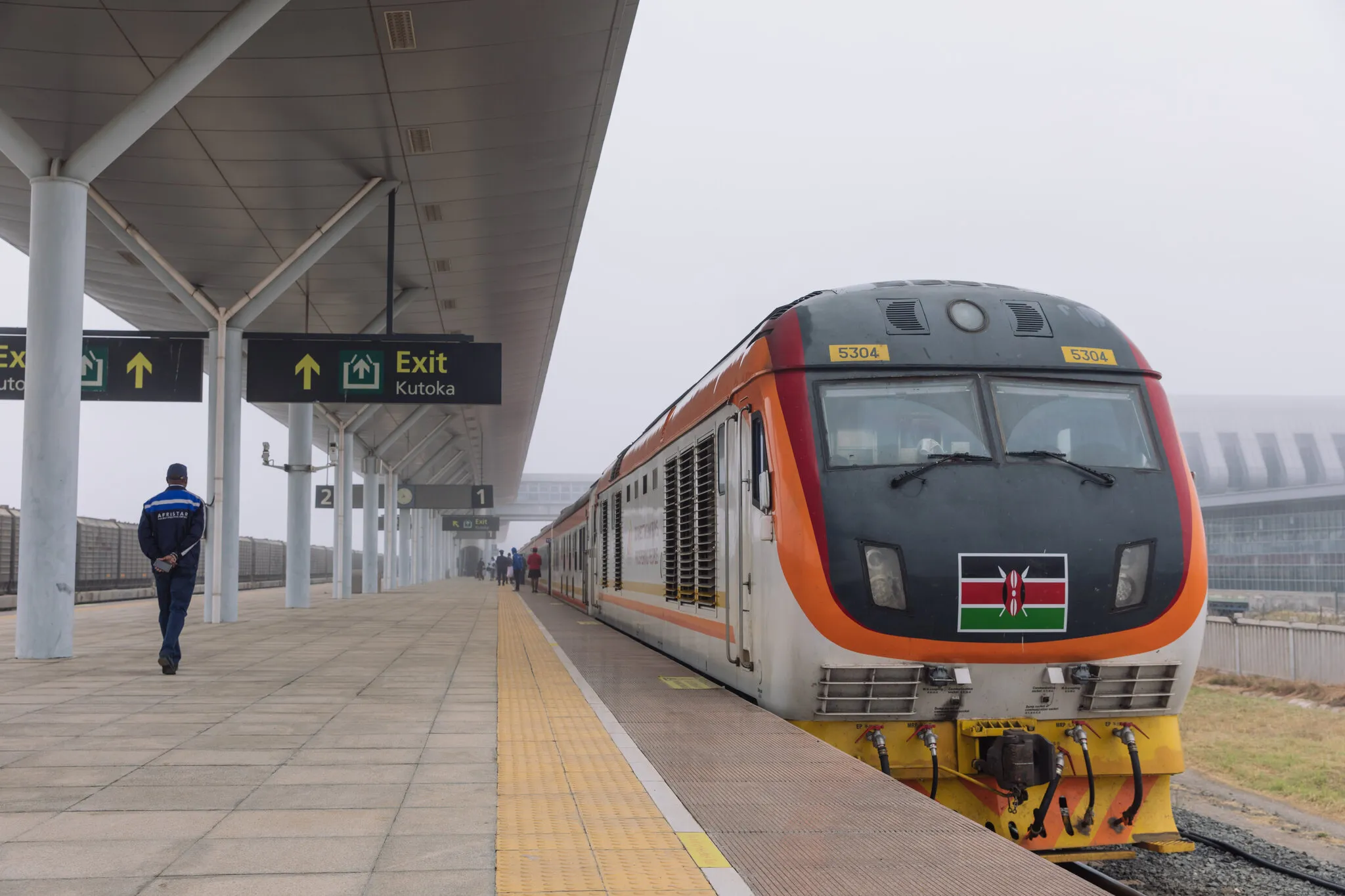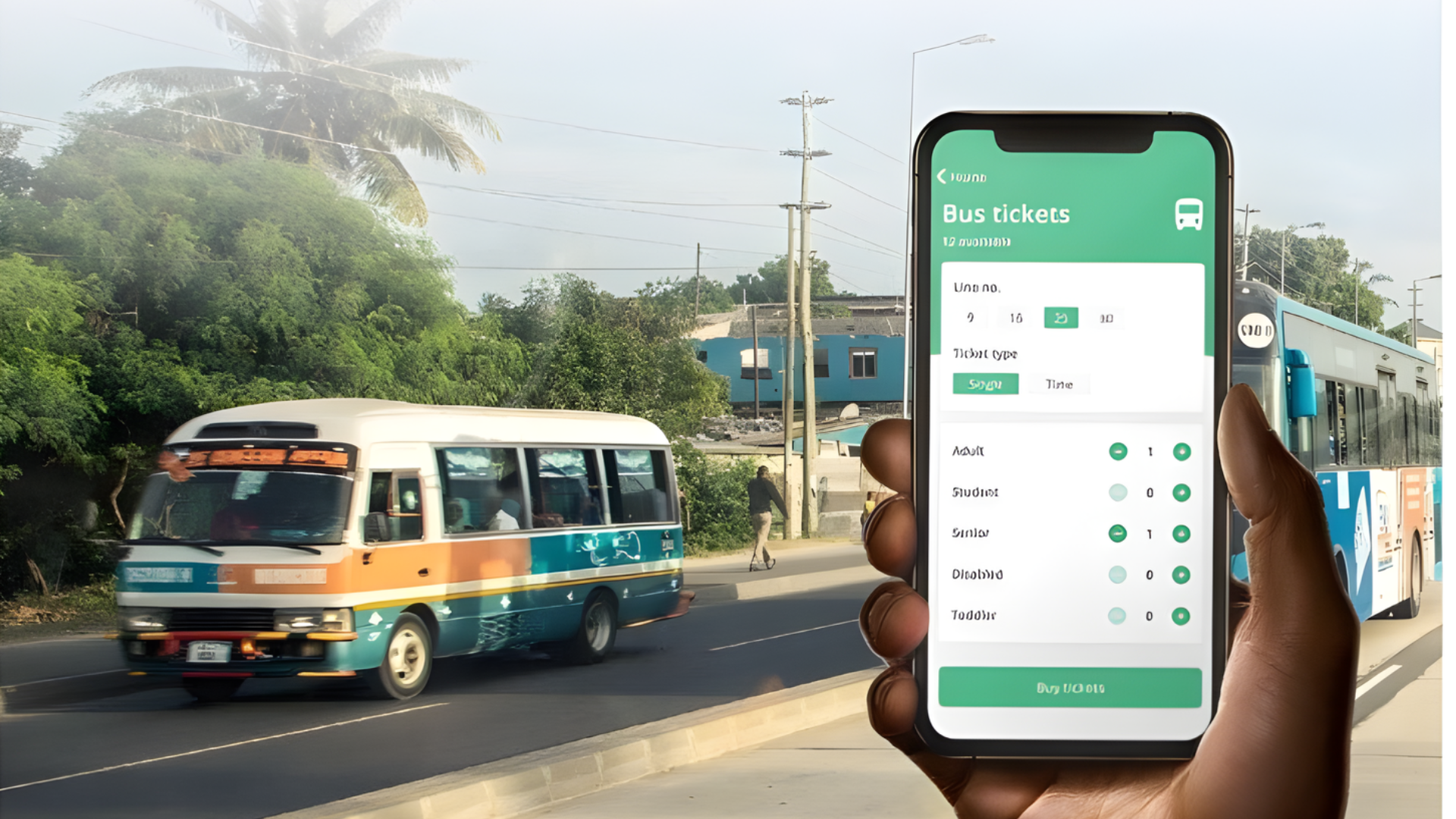
The World Bank has committed to back a transformative digital fare payment system for Nairobi’s public transport network, allowing commuters to pay matatu, bus and train fares electronically instead of relying on cash or M-Pesa.
The initiative, unveiled during a joint press briefing at the World Bank’s Nairobi office on March 3, 2026, aims to modernise the city’s chaotic and largely cash-based public transport sector. Under the plan, all matatus, buses operated by Kenya Bus Services and private operators, and Nairobi Commuter Rail trains will be fitted with contactless smart-card readers and QR-code scanners linked to a centralised backend platform. Commuters will top up digital wallets via mobile apps, USSD codes, bank cards or agent networks, then tap or scan to pay fares upon boarding.
World Bank Country Director for Kenya, Hafez Ghanem, described the project as a critical step toward sustainable urban mobility. “Nairobi’s public transport is vital for millions of daily commuters, yet it remains inefficient, unsafe for cash handlers and prone to revenue leakage,” Ghanem said. “A digital fare system will increase transparency, reduce fraud, improve revenue collection for operators and make journeys more predictable and secure for passengers. This is about building a more inclusive and resilient transport ecosystem.”
The system is expected to be rolled out in phases starting with high-traffic matatu routes along Thika Road, Jogoo Road and Mombasa Road corridors. Kenya Railways Corporation and major matatu saccos have already signed memoranda of understanding to participate. The platform will integrate with existing mobile money services for top-ups but will not require M-Pesa for every transaction, reducing dependency on a single provider and lowering transaction fees for operators.
Transport Cabinet Secretary Kipchumba Murkomen welcomed the partnership, saying it aligns with the government’s Bottom-Up Economic Transformation Agenda. “Digital payments will cut cash-handling risks for matatu crews who are often robbed,” Murkomen said. “It will also help us track passenger numbers accurately, plan routes better and eventually introduce fare subsidies for vulnerable groups such as students, the elderly and persons with disabilities.”
The project includes provisions for offline functionality so commuters can still board during network outages, with transactions reconciling once connectivity is restored. Low-cost NFC-enabled smart cards will be distributed free or at subsidised rates to frequent users, while occasional passengers can pay via QR codes generated on their phones.
Matatu operators have expressed cautious optimism. Matatu Owners Association Chairman Dickson Mbugua said the sector supports anything that reduces robbery and improves revenue collection, but urged the government to address other pressing issues first. “We lose money every day to gangs who target conductors with cash,” Mbugua said. “If this system reduces that risk and ensures we get paid fairly, we are ready to embrace it. But we also need better roads, traffic enforcement and protection from harassment by county askaris.”
Critics, including some transport activists, have warned that the shift could exclude low-income commuters who lack smartphones or bank accounts. “Not everyone in Nairobi has a smartphone or is comfortable with digital payments,” said a representative from the Kenya Alliance of Residents Associations. “We need a hybrid system that keeps cash as an option, especially for the poorest passengers who rely on matatus to reach work.”
The World Bank has pledged technical assistance, funding for hardware procurement, software development and driver training, as well as support for a phased pilot that will test the system on selected routes before full-scale rollout. The project is expected to be fully operational across Nairobi’s public transport network by mid-2027.
Ghanem emphasised that the digital fare system is part of a larger urban mobility strategy. “This is not just about payments,” he said. “It is about creating data that can inform route planning, fare policy, subsidy targeting and investment decisions. When you know exactly how many people travel where and when, you can build a better transport system for everyone.”
As Nairobi continues to grow—projected to reach 6 million people by 2030—the need for efficient, reliable and safe public transport has never been greater. The World Bank-backed digital fare initiative could mark a turning point in making the city’s roads less chaotic and more equitable.