While many of us view Labour Day as the unofficial end of summer—a final chance for a barbecue or a dip in the pool—the holiday’s origins are rooted in a gritty, high-stakes struggle for human dignity. We celebrate Labour Day not just to enjoy a long weekend, but to honour the historic social and economic achievements of the labour movement. It is a day dedicated to the workers who built the infrastructure of modern society and the activists who fought to ensure that "work" didn’t mean "exploitation."
To understand why we celebrate, we have to look back at the late 19th century. During the height of the Industrial Revolution, the average American worker was subjected to gruelling conditions. It was common to work 12-hour days, seven days a week, often in poorly ventilated and dangerous factories. Children as young as five or six toiled in mills and mines for a fraction of adult wages. The "weekend" as we know it didn't exist; life was a relentless cycle of labour that left little room for rest, education, or family.
Labour Day emerged from the rise of labour unions. On September 5, 1882, the first " Labour Day" parade was held in New York City, organised by the Central Labour Union. Thousands of workers took unpaid leave to march from City Hall to Union Square, carrying banners that demanded "Eight Hours for Work, Eight Hours for Rest, Eight Hours for What We Will."
This wasn't just a parade; it was a protest. The movement sought to break the monopoly that industry had over a worker’s entire life. These early organizers recognized that a healthy society requires a balance between productivity and personal well-being. By celebrating this day, we acknowledge the collective bargaining and strikes that eventually led to the standard 40-hour work week, overtime pay, and safer workplace regulations.
The road to making Labour Day a federal holiday was paved with tension. In 1894, the Pullman Strike crippled railroad traffic in the United States, leading to a violent standoff between workers and the federal government. In an attempt to repair ties with American workers and appease the labor movement following the strike, President Grover Cleveland signed the act making Labour Day a federal holiday just six days after the strike ended.
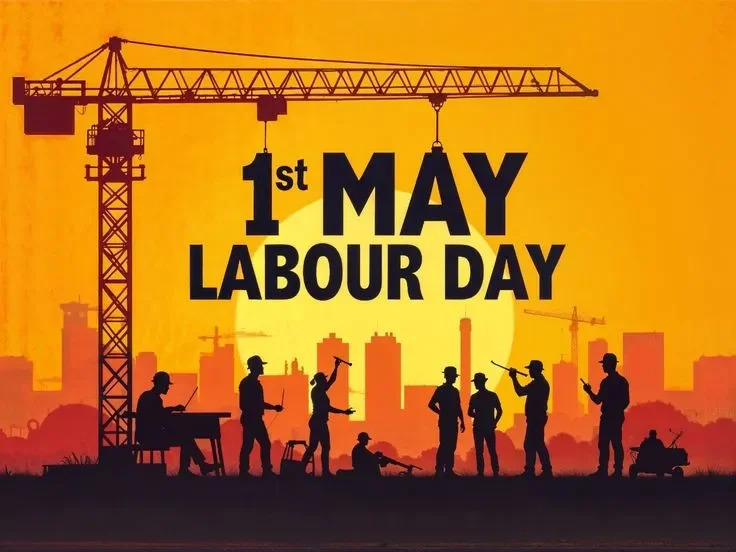
In many other parts of the world, a similar celebration occurs on May 1st, known as May Day or International Workers' Day. While the dates differ, the sentiment is the same: a global recognition of the power of the working class and the necessity of fair Labour practices.
Today, we celebrate Labour Day to reflect on how far we have come and to assess the challenges that remain. While we no longer face the same widespread child labor or 84-hour work weeks of the 1800s, the holiday remains relevant as we navigate the "gig economy," remote work burnout, and the quest for a living wage.
Today, we celebrate Labour Day to reflect on how far we have come and to assess the challenges that remain. While we no longer face the same widespread child labor or 84-hour work weeks of the 1800s, the holiday remains relevant as we navigate the "gig economy," remote work burnout, and the quest for a living wage.
Labour Day is a tribute to the "contributions workers have made to the strength, prosperity, and well-being of our country." It is a reminder that every comfort we enjoy—from the roads we drive on to the digital devices in our pockets—is the result of someone’s hard work. By taking a day of rest, we paradoxically honor the very value of Labour itself, asserting that the person behind the job is just as important as the job being done.