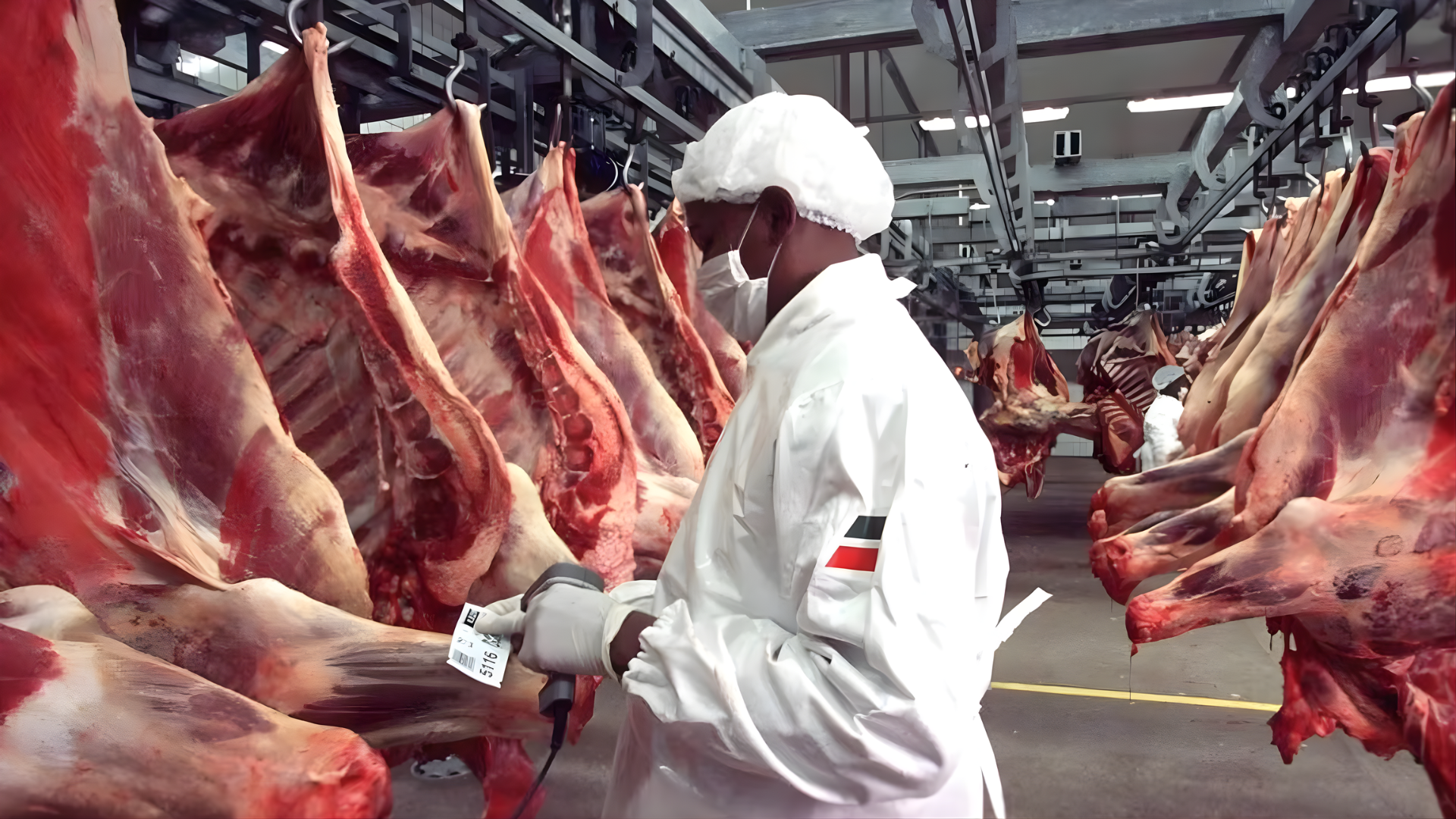
Kenyan meat exporters have suffered losses estimated at Sh1 billion in the past week alone after shipments to several Middle Eastern markets were severely disrupted by escalating regional tensions and related security concerns.
The Kenya Meat Commission and private exporters reported that vessels carrying chilled and frozen beef, mutton and goat meat destined for the United Arab Emirates, Saudi Arabia, Qatar, Oman and Bahrain have been delayed, rerouted or held at ports due to heightened naval activity, insurance premium spikes and cautious shipping decisions. Several consignments already at sea have been diverted to alternative routes around Africa, adding 10–14 days to transit times and increasing spoilage risks for perishable goods.
The Kenya Livestock Producers Association Chairman Joseph Mutua described the situation as a major blow to an industry that has worked for years to meet stringent halal certification and sanitary standards required by Gulf buyers. “We have lost contracts worth over Sh1 billion in the last seven days,” Mutua said. “Buyers are cancelling orders or demanding discounts because of delays. Some shipments are stuck at sea with refrigeration costs mounting daily. If this continues, many processors may be forced to scale down production and lay off workers.”
Middle Eastern countries account for approximately 60–70 percent of Kenya’s formal meat exports, with annual earnings in the range of $80–100 million before the disruption. The sudden halt has left cold stores in Athi River, Kajiado, Isiolo and other counties filled with unsold stock, while pastoralist communities in northern Kenya—who supply the bulk of live animals—face reduced prices and delayed payments.
The International Monetary Fund has weighed in on the broader implications, warning that the widening Middle East conflict and potential risks to critical shipping routes such as the Strait of Hormuz could drive up global freight costs and weigh heavily on Kenya’s export-oriented sectors. In its latest regional economic outlook update, the IMF noted that prolonged instability in the Gulf could add 15–30 percent to container and bulk shipping rates, directly affecting Kenya’s tea, horticulture, livestock and manufactured exports.
“Kenya is particularly vulnerable because of its reliance on sea freight for more than 95 percent of its international trade,” an IMF economist said during a virtual briefing. “Any sustained disruption in the Arabian Gulf or Red Sea corridor would increase costs, reduce competitiveness and squeeze margins for exporters already dealing with high input prices and currency depreciation.”
Tea exporters have already reported similar pressures, with several containers delayed at ports in the Gulf and insurance premiums for Red Sea routes doubling in recent weeks. The Kenya Tea Development Agency said prolonged disruptions could shave millions off the sector’s earnings during the peak harvest season.
The government has acknowledged the crisis but maintained an optimistic tone. Trade Cabinet Secretary Moses Kuria said efforts are underway to diversify markets and explore air-freight options for high-value chilled meat. “We are engaging Gulf partners to restore normal shipping lanes and opening new markets in West Africa and Asia,” Kuria said. “In the short term, we will support exporters through export-promotion funds and insurance subsidies to cushion the losses.”
Livestock farmers and exporters have called for urgent intervention, including temporary export subsidies, expedited payments from the Export Compensation Fund and diplomatic pressure to secure safe passage for Kenyan cargo. The Meat Industry Stakeholders Forum has warned that continued losses could force closure of several processing plants and trigger job losses in the thousands.
The situation is being closely monitored by the National Treasury and the Central Bank, which have indicated they are prepared to provide short-term liquidity support to affected exporters if the disruption extends beyond a few weeks. Meanwhile, the Kenya Ports Authority has confirmed that Mombasa port operations remain normal, with no direct impact from the Gulf tensions on berthing or cargo handling.
As the Middle East conflict enters a more volatile phase, Kenya’s export sectors—particularly meat and tea—face an uncertain period ahead. The Sh1 billion loss in one week serves as an early warning of how quickly geopolitical shocks can translate into domestic economic pain for a trade-dependent economy.